Running a business often feels like juggling several responsibilities at once. One moment you're creating an invoice, the next you're checking whether a product is still in stock, following up with a supplier, or reviewing payments. None of these tasks are unusual—they're simply part of everyday business.
The challenge is that they don't always happen in the same place.
Many businesses use different applications for billing, inventory, accounting, and purchasing. That setup can work well for a while, but as operations become busier, switching between multiple systems can take extra time and make it harder to keep information consistent.
That's one reason integrated Business Suite Software has become an option worth exploring.
Bringing Everyday Operations Together
A business suite isn't a single feature or tool. It's a platform that combines several business functions so they're managed from one system.
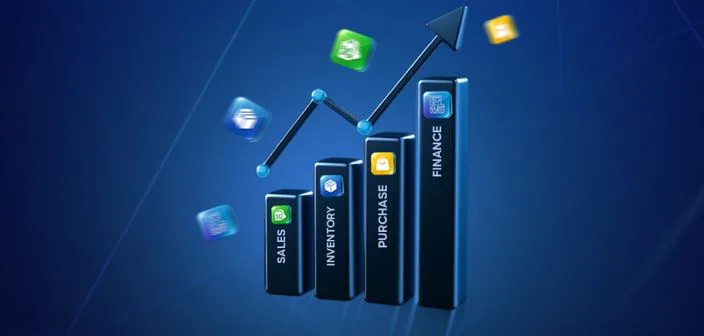
Depending on the software, this may include:
- Inventory Management Software
- Sales Management Software
- Purchase Management Software
- Finance Management Software
- Billing
- Business reporting
Having related information together doesn't remove the work involved in running a business, but it can make routine tasks easier to manage because information is stored in one place instead of being spread across multiple applications.
Why Businesses Start Looking for an Integrated Solution
Businesses rarely decide to change software overnight.
It often starts with small inconveniences. A sale is recorded in one application, inventory is updated somewhere else, and financial records are maintained in another. None of these steps are difficult on their own, but repeating them throughout the day can become time-consuming.
An integrated Business Management Software solution helps reduce the need to move between different systems for routine business activities.
Inventory Is More Than Just Counting Products
If your business sells physical products, inventory affects more than your warehouse.
Knowing what's available, what's running low, and what has already been sold helps support purchasing decisions and customer orders. That's why many businesses use Inventory Management Software to maintain accurate stock records and monitor inventory movement.
The features available will vary depending on the software provider, but keeping inventory information organized is a common goal.
Keeping Sales and Purchases Connected
Every sale creates information that may be useful later, whether it's for customer service, reporting, or reviewing business performance.
Similarly, purchase records help businesses understand supplier activity and procurement history.
Using Sales Management Software alongside Purchase Management Software allows businesses to maintain these records in an organized way, making it easier to find information when it's needed.
Understanding Cloud ERP Software
Over the past few years, cloud-based business software has become a common option for many organizations.
Cloud ERP Software is generally accessed through the internet, allowing authorized users to work from different locations. Depending on the provider, software updates and maintenance may also be handled centrally.
As with any software, it's worth comparing features, security, support, and pricing before making a decision.
Finance Is Part of Every Business Conversation
Whether you're reviewing monthly expenses or checking daily transactions, financial information helps you understand how the business is performing.
Finance Management Software helps businesses organize financial records and generate reports based on the capabilities included in the software. The specific features vary between providers, so it's important to evaluate what best matches your business requirements.
Choosing Software That Fits Your Business
There isn't a single platform that's right for every business.
Before choosing any ERP Software or Business Management Software, consider how your business works today and what you expect from your software in the future.
Questions worth asking include:
- Which daily tasks take the most time?
- Would having information in one place improve your workflow?
- Which reports do you rely on most?
- Will the software support your business as it grows?
- Does it provide the features your team actually needs?
Taking time to compare solutions carefully usually leads to a better long-term decision.
One Option to Consider
If you're exploring software that combines several business functions into a single platform, SITEDECODE Business Suite is one option to look at.
According to the information available on the SITEDECODE website, it is designed to help businesses manage sales, purchases, inventory, billing, finance, and related operational activities through one integrated platform.
You can find more information here:
https://sitedecode.com/business-suite
Final Thoughts
Business software doesn't replace experience or good decision-making, but it can help organize the information businesses rely on every day.
Whether you're comparing ERP Software, Business Management Software, Cloud ERP Software, Inventory Management Software, Sales Management Software, Purchase Management Software, or Finance Management Software, choosing software that fits your workflow is usually more valuable than simply choosing the one with the longest feature list.
The right solution is the one that supports the way your business operates—today and as it grows.