
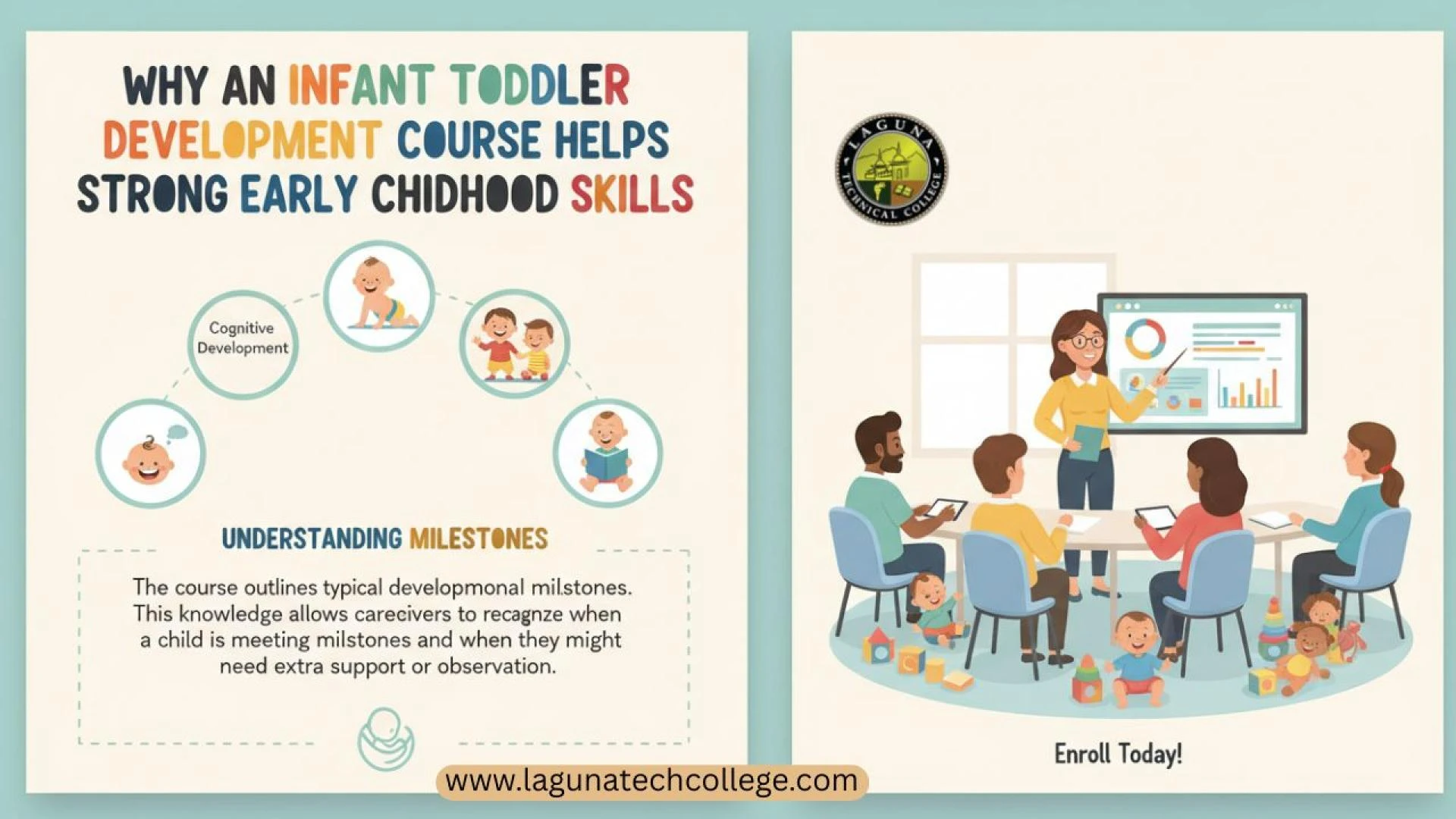
Early childhood is one of the most critical phases of human development. From birth to age three, a child’s brain forms connections at an extraordinary pace, shaping their emotional, cognitive, and social abilities for life. For educators and caregivers in California, understanding this stage is not just beneficial—it’s essential.
A well-structured infant toddler development course equips aspiring childcare professionals with the knowledge and practical skills needed to support young children during these formative years. Whether you are entering the field or looking to upgrade your expertise, gaining specialized training in infant and toddler care can significantly improve the quality of care you provide.
In today’s fast-evolving childcare landscape, especially across California, there is a growing emphasis on responsive caregiving, early intervention, and developmentally appropriate practices. Let’s explore why this training matters and how it can shape better outcomes for both caregivers and children.

Why Infant and Toddler Development Knowledge Is Crucial
Infants and toddlers are not just “younger children”—they have unique developmental needs that require a specialized approach. Their learning happens through relationships, sensory experiences, and consistent care routines.
Key Areas of Development
A strong foundation in early childhood training helps caregivers understand:
- Cognitive growth: How babies learn through exploration and repetition
- Language development: Early communication through sounds, gestures, and words
- Emotional bonding: The importance of secure attachments with caregivers
- Motor skills: From crawling to walking and fine motor coordination
Without proper knowledge, it’s easy to interpret behaviors or miss early signs of developmental delays. Structured training ensures caregivers respond appropriately and support each child’s individual pace.
The Shift Toward Specialized Childcare Training in California
California has seen a steady rise in demand for trained early childhood professionals. With more families relying on childcare services, the expectations for quality care have increased.
Current Trends Shaping Early Care
- Greater focus on social-emotional development
- Emphasis on inclusive and responsive caregiving
- Increased awareness of early brain development
- Stronger health and safety regulations
Professionals who complete an infant toddler development course online or in a flexible format are better prepared to align with these modern expectations.
Benefits of Taking an Infant Toddler Development Course
1. Build Confidence in Real-Life Situations
Handling infants and toddlers can be challenging, especially for new caregivers. From soothing a crying baby to managing toddler tantrums, every situation requires patience and understanding.
Training provides practical strategies, such as:
- Responding calmly to emotional distress
- Encouraging positive behavior through routines
- Supporting early communication skills
These skills build confidence and reduce uncertainty in day-to-day caregiving.
2. Improve Child Outcomes Through Informed Care
Caregivers play a direct role in shaping a child’s early experiences. When you understand development stages, you can create environments that encourage growth.
Example:
A caregiver trained in early development may introduce sensory play activities—like textured toys or water play—to stimulate brain development in infants.
Small, intentional actions like these can have long-term benefits for children’s learning and behavior.
3. Recognize Developmental Delays Early
Early detection of developmental challenges can make a significant difference in a child’s future. Trained professionals are more likely to notice when a child is not meeting expected milestones.
Signs to Watch For
- Limited eye contact or response to sounds
- Delayed speech or lack of babbling
- Difficulty with movement or coordination
By identifying these signs early, caregivers can guide families toward appropriate support services.
4. Strengthen Communication with Families
Parents trust caregivers with their children’s well-being. Effective communication is essential to build that trust.
A structured course helps professionals:
- Share developmental observations clearly
- Provide helpful feedback to parents
- Offer guidance on supporting development at home
Strong parent-caregiver partnerships lead to better outcomes for children.
Practical Tips for Applying What You Learn
Taking a course is only the first step—applying the knowledge is where real impact happens.
Create Consistent Daily Routines
Infants and toddlers thrive on predictability. Establish routines for feeding, sleeping, and playtime to create a sense of security.
Focus on Responsive Interaction
Respond quickly and warmly to a child’s needs. This builds trust and strengthens emotional bonds.
Use Play as a Learning Tool
Simple activities like stacking blocks, singing songs, or reading picture books can significantly boost development.
Observe Before You Act
Every child is different. Spend time observing their behavior and preferences before introducing new activities or routines.
Why Online Learning Is Gaining Popularity
For many professionals in California, flexibility is a key factor in continuing education. This is where an infant toddler development course online becomes highly valuable.
Advantages of Online Learning
- Study at your own pace
- Access materials anytime, anywhere
- Balance work and personal commitments
- Save time on commuting
Online formats make it easier for working professionals to gain specialized skills without disrupting their daily routines.
Real-World Example: Applying Training in a Childcare Setting
Consider a childcare assistant working with a group of toddlers. Before training, they may struggle to manage group behavior during playtime.
After completing a development course, they might:
- Introduce structured play zones
- Use positive reinforcement techniques
- Encourage cooperative activities
As a result, the environment becomes more organized, children engage more effectively, and behavioral challenges decrease.
This is the practical impact of quality training—turning knowledge into meaningful action.
Career Growth Opportunities in Early Childhood Care
Completing an infant and toddler development course can open doors to various roles within childcare settings.
Potential Career Paths
- Infant caregiver
- Toddler care specialist
- Early learning assistant
- Childcare program support staff
As demand for skilled professionals continues to grow in California, having specialized training can make candidates more competitive in the job market.
Conclusion: Investing in Early Learning Excellence
The early years of a child’s life lay the foundation for everything that follows. For caregivers and educators, having the right knowledge and skills is essential to support this critical stage effectively.
An infant toddler development course provides the tools needed to understand young children, respond to their needs, and create nurturing environments that promote growth. With flexible options like an infant toddler development course online, professionals in California can continue learning while balancing their existing responsibilities.
For those looking to build a meaningful career in early childhood care, investing in specialized training is a step toward making a lasting difference.