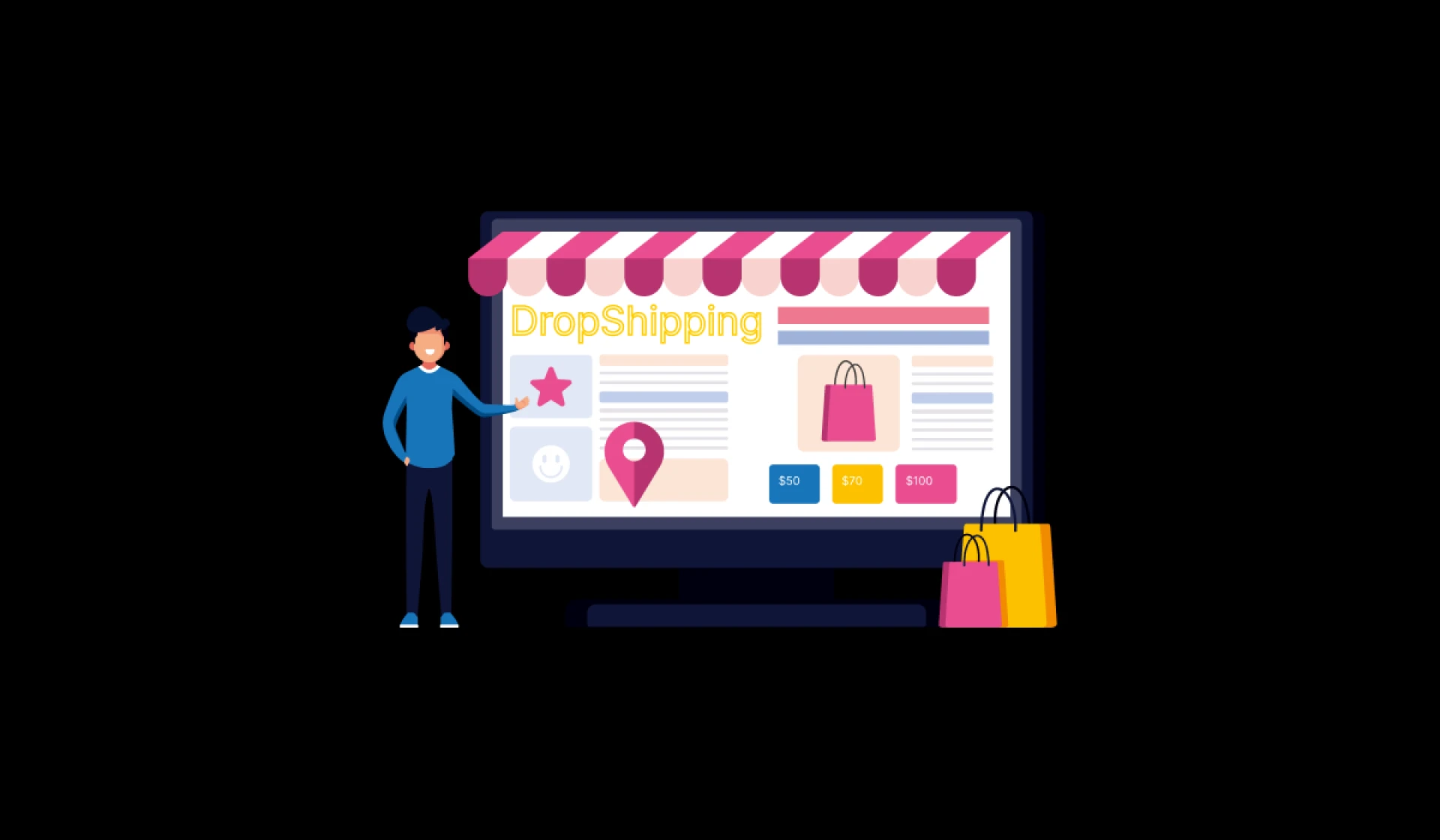
In 2025, dropshipping continues to stand out as a go-to business model for digital entrepreneurs. Without the hassle of inventory or warehousing, it allows sellers to focus purely on marketing, branding, and customer experience. But as the market becomes increasingly crowded, the difference between a profitable store and one that fizzles out lies in how it's built. A sleek design, fast functionality, and user-first thinking are now essential for standing out.
How design sets the tone for your store
Every successful ecommerce journey begins with a first impression—and that starts with design. Visitors form opinions in seconds based on your homepage, layout, and content structure. If your categories are confusing, images low-quality, or checkout options unclear, users will bounce. For long-term impact, prioritize clarity, visual consistency, and minimal distractions. To stay competitive, many brands now invest in developing a dropshipping website that prioritizes clean structure, product discoverability, and trust-building elements like reviews and guarantees.
Why mobile optimization is no longer optional
In 2025, mobile shopping accounts for the majority of ecommerce traffic. If your store isn’t touch-optimized for mobile, you’re instantly losing sales. Every element—buttons, fonts, menus, and product images—must be crafted with the small screen in mind. Shoppers expect smooth swipes, one-hand checkouts, and instant responsiveness. Embracing a mobile-first strategy from day one ensures that your store is equipped to perform across all devices and user behaviors.
The tech foundation that keeps your store running smoothly
Performance and reliability are critical for modern ecommerce success. Sites that load slowly or crash under traffic spikes are quickly abandoned. This is where smart e-commerce website development makes a difference. Optimizing image compression, leveraging modern frameworks, and deploying scalable server-side solutions are now standard practices. Caching tools, cloud infrastructure, and real-time monitoring also help ensure your store runs seamlessly—no matter how many visitors you attract.
Turn browsing into buying with engaging product presentation
It’s not enough to show a product—you need to sell it through visuals and context. Use high-resolution lifestyle photos, video demonstrations, and persuasive text to build emotional connections. Highlight features like delivery timelines, customer ratings, and satisfaction guarantees. Adding interactive elements such as “Only 3 left in stock” or “Popular pick” helps drive urgency. These tactics work together to improve conversion rates and reduce cart abandonment.
Smart systems that automate and build buyer confidence
In ecommerce, trust and automation go hand in hand. Your website should display verified badges, secure payment logos, and clear refund policies. Equally important is setting up automation for tasks like abandoned cart reminders, order confirmations, and inventory tracking. These backend processes improve operational efficiency and allow you to scale without constant manual intervention. The smarter your workflow, the better your user experience and customer retention.
Why native mobile apps boost customer loyalty
While having a responsive site is essential, successful dropshipping brands are taking it further by building mobile apps. Through ecommerce app development, businesses offer users a dedicated shopping experience with features like push alerts, saved carts, and exclusive app-only deals. Apps also support offline browsing and faster navigation, increasing the likelihood of daily engagement and repeat purchases. As user attention spans shrink, branded apps help deepen loyalty and maximize lifetime customer value.
Conclusion
In 2025’s hyper-competitive ecommerce market, simply having a dropshipping store won’t cut it. To succeed, your store must be lightning-fast, trustable, and built with the user in mind. Prioritize intuitive design, modern tech stacks, mobile performance, and automation. With a well-planned digital experience, your dropshipping business can thrive, scale, and outperform the competition—no matter how crowded the marketplace becomes.