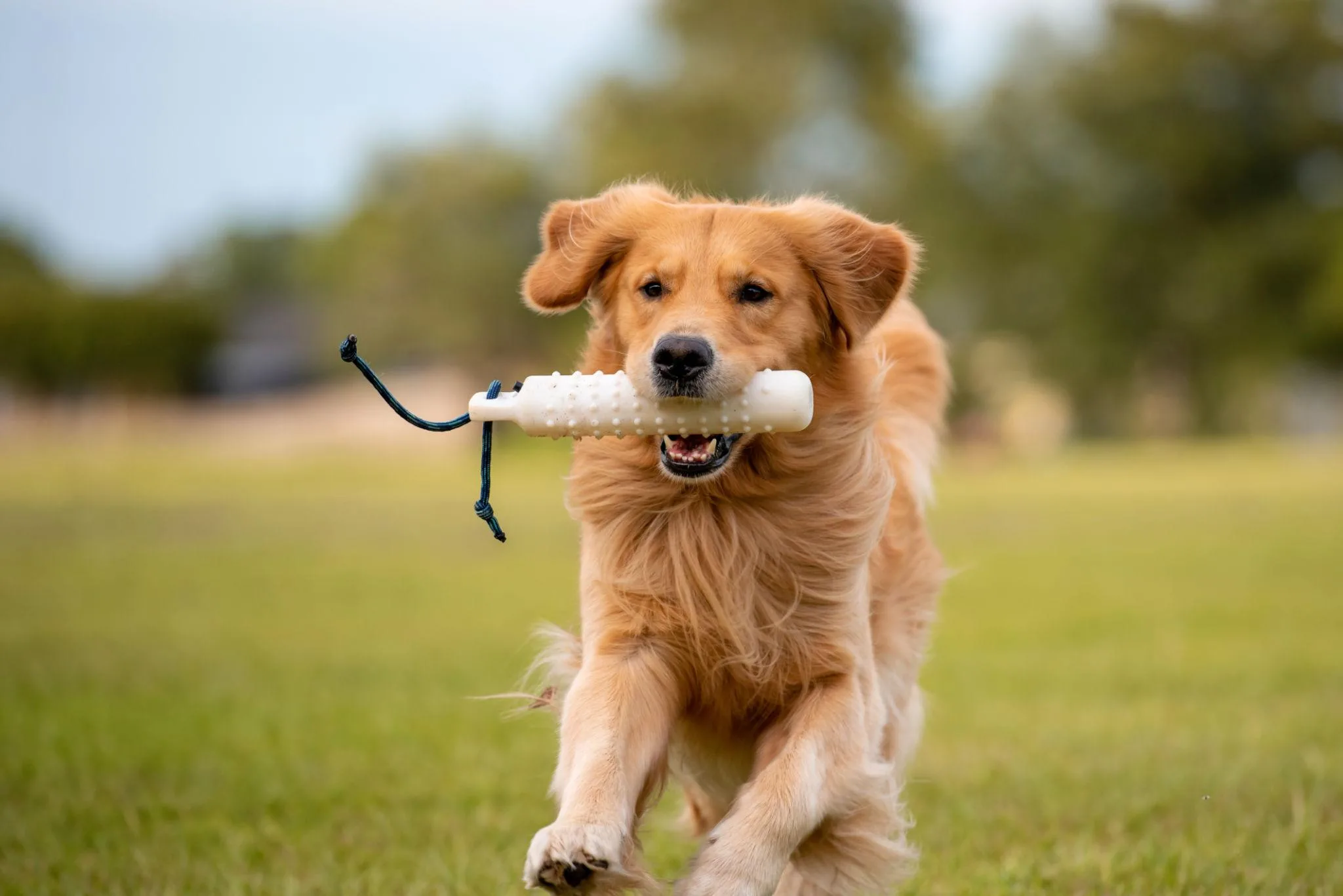
A well-trained hunting dog is more than a skilled retriever. The best working dogs understand their handler, remain focused in challenging environments, and respond consistently to commands. For dog owners in Berryville, VA, developing these qualities starts with a thoughtful training program that combines obedience, retrieving skills, field experience, and clear communication.
Starting With the Right Foundation
Before introducing advanced hunting exercises, a dog needs a strong foundation. Basic obedience teaches the dog to pay attention, respond to commands, and remain under control around distractions. Commands such golden retriever hunting training as sit, stay, heel, come, and place can become valuable tools during future field training.
When learning how to train a hunting dog, consistency is one of the most important principles. Training sessions should have clear objectives and use commands consistently. Dogs learn through repetition, so short, focused sessions are often more productive than occasional, lengthy sessions.
Teaching a Labrador Retriever to Retrieve
Labrador Retrievers are naturally suited to retrieving, but natural ability still needs to be developed. Teaching a Lab to retrieve should begin with creating a positive association with retrieving objects. The dog can gradually learn to pick up an object, carry it correctly, return to the handler, and release it on command.
As the dog progresses, retrieving exercises can become more challenging. Trainers may introduce longer distances, different terrain, multiple retrieves, and distractions. The goal is not simply to make a dog chase an object but to develop a controlled and reliable retrieve.
Developing Hunting Skills
Training hunting dogs requires more than practicing retrieves in a backyard. A hunting retriever must eventually learn to work in realistic environments where terrain, weather, sounds, scent, and other distractions can affect performance.
Field training can introduce dogs to situations that resemble actual hunting conditions. Depending on the dog's experience and goals, training may incorporate marking, steadiness, directional handling, water retrieves, and exposure to different environments.
Progress should be gradual. Introducing difficult exercises too quickly can create confusion or undermine a dog's confidence. A structured approach allows the dog to understand each skill before combining multiple challenges.
Why Professional Retriever Training Can Help
Many owners searching for retriever training near me or Labrador Retriever training near me want help creating a dependable training plan. Professional guidance can provide structure while helping handlers identify areas that need improvement.
An experienced trainer can also help owners understand why a dog is struggling with a particular exercise. Sometimes the issue is not a lack of ability but unclear communication, excessive pressure, inconsistent reinforcement, or advancing to the next training stage too quickly.
For handlers in the Berryville area, Pat Nolan offers experience and practical knowledge related to retriever and hunting-dog development. His approach emphasizes communication between the dog and handler while building useful skills progressively.
Choosing a Training Approach
Every dog learns differently. Age, temperament, previous experience, natural ability, and the handler's objectives should all be considered when creating a training program.
A young Labrador may need to concentrate on basic obedience, retrieving fundamentals, confidence, and exposure to new environments. A more experienced hunting dog may benefit from advanced handling, steadiness, longer-distance retrieves, and more demanding field scenarios.
The most effective programs are therefore not simply about teaching more commands. They are about developing a dog that understands what is expected and can perform reliably when conditions become difficult.
Building a Strong Handler-Dog Partnership
Successful hunting-dog training ultimately depends on the relationship between the dog and its handler. Clear communication, patience, consistency, and regular practice help create trust. When a dog understands its handler and the handler understands the dog's behavior, training becomes more productive.
Whether someone is beginning with a Labrador Retriever or working with an experienced hunting companion, the fundamentals remain important. Establishing reliable obedience, developing retrieving skills, introducing controlled distractions, and progressing toward realistic field work can create a strong foundation.
For those looking for hunting dog training near me, retriever training near me, or professional Labrador Retriever training, learning from experienced guidance can make the process more structured and rewarding. In Berryville, Virginia, Pat Nolan provides a resource for handlers who want to develop capable retrievers while strengthening the working partnership between dog and owner.
A dependable hunting retriever is built through thoughtful training—not shortcuts. With the right foundation, consistent practice, and a clear training strategy, a Labrador Retriever can develop the confidence, control, and retrieving skills needed to become a reliable field companion.