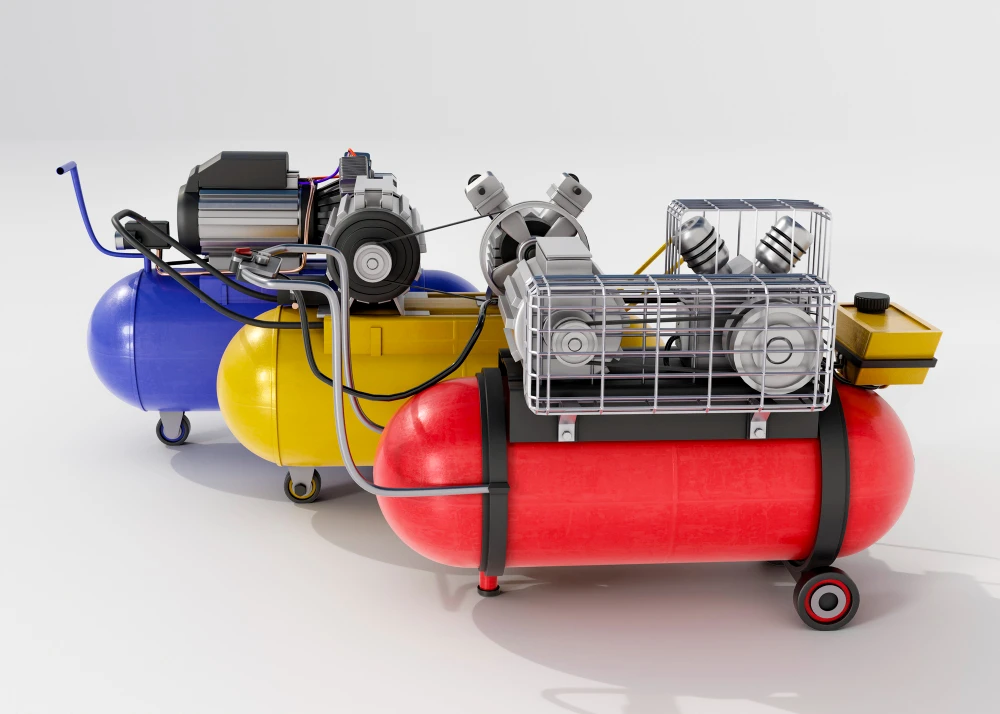
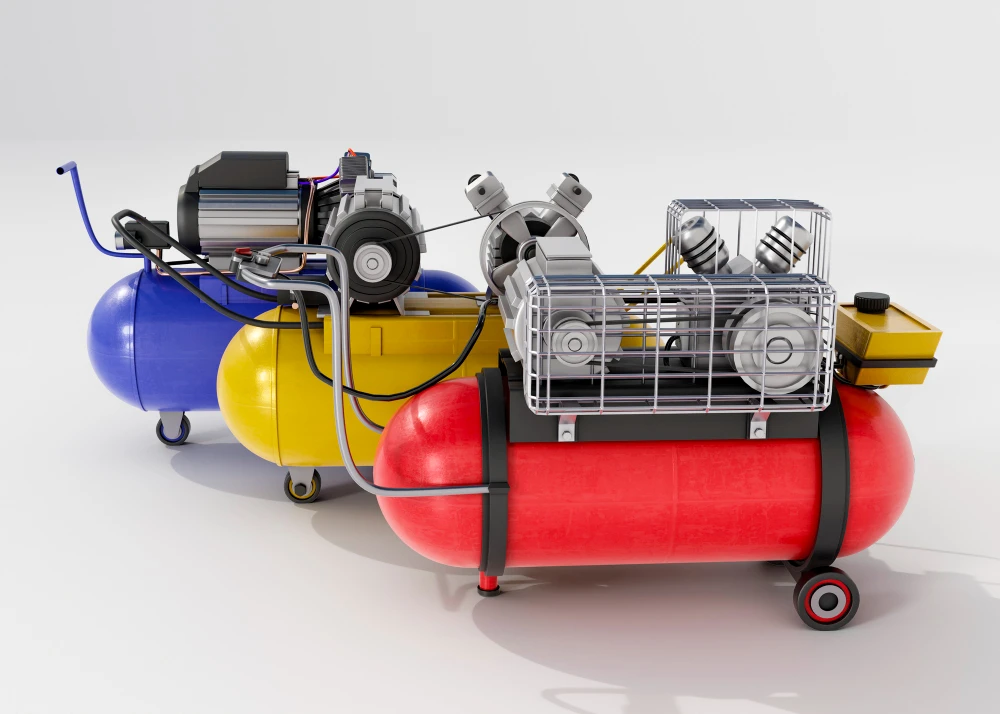
Industrial operations across Australia depend on compressed air as a steady utility that supports production, maintenance, and service tasks. When compressed air systems perform consistently, workflows remain predictable. When small supporting components fail, disruption spreads quickly across teams. In many cases, these disruptions trace back to missing or poorly matched accessories rather than the compressor itself. Building a practical air compressor accessories kit helps stabilise daily operations and supports long-term system reliability.
An effective air compressor accessories kit reflects real working conditions. It accounts for dust exposure, moisture levels, pressure variation, and the way tools are handled throughout the day. Over time, a well planned kit reduces reactive maintenance and allows teams to respond quickly to wear without interrupting core tasks.
Why a Practical Air Compressor Accessories Kit Matters in Industrial Settings
Industrial environments place sustained load on compressed air systems. Production lines operate for extended hours. Maintenance teams rely on compressed air across varied tasks. Tools connect and disconnect frequently. Accessories face mechanical stress, environmental exposure, and continuous airflow demand.
When a workshop or plant maintains a practical air compressor accessories kit, minor wear does not escalate into operational delay. Over time, readiness of accessories reduces downtime caused by small component failure. This practical readiness supports steadier productivity and protects core air compressor parts from secondary stress.
Core Components That Form a Reliable Accessories Kit
A practical air compressor accessories kit includes components that support airflow quality, moisture control, pressure stability, and connection reliability. Each element plays a role in shaping daily performance.
Filtration accessories protect internal air compressor parts and tools by removing contaminants carried in intake air and compressed airflow. Over time, effective filtration reduces abrasive wear and supports stable pressure delivery.
Moisture control accessories manage condensation formed during compression and cooling. Separators and drains remove water before it travels downstream. Over time, moisture control reduces corrosion related wear and protects pneumatic equipment.
Hoses and couplings form the physical interface between compressed air systems and tools. Durable connection accessories maintain stable pressure delivery and resist mechanical fatigue from daily handling.
Regulators control output pressure for varied tools and processes. Stable regulation supports consistent task outcomes and reduces stress on air compressor parts.
Monitoring accessories such as pressure gauges provide visibility into system behaviour. Over time, this visibility supports early detection of performance drift.
Matching Accessories to Operating Conditions
Industrial environments vary widely across Australia. Manufacturing plants operate under continuous load. Processing facilities manage humidity and temperature variation. Remote sites face dust and variable access to service support. Accessories selected without regard to these conditions wear faster and contribute to uneven system performance.
Matching air compressor accessories to operating conditions reduces stress on internal components. Over time, this alignment supports predictable wear patterns and steadier maintenance planning. Accessories designed for harsher environments resist surface degradation and maintain performance under sustained load.
Integrating Accessories With Air Compressor Parts
Accessories and air compressor parts operate as a connected system. When accessories manage airflow quality and moisture effectively, internal parts face less exposure to damaging conditions. Over time, this protection extends service intervals for valves, seals, and bearings.
Poorly matched accessories increase load on internal parts by introducing pressure instability or allowing contaminants to pass through. Over time, this leads to accelerated wear and unpredictable maintenance cycles. A practical air compressor accessories kit supports balanced interaction between accessories and core components.
Cost Considerations and Long-Term Value
Air compressor parts price often influences how teams build and maintain accessory inventories. While lower upfront pricing may appear attractive, daily operation reveals the cost of frequent replacement and downtime. Durable accessories cost more initially but support longer service life and steadier performance.
Evaluating air compressor parts price through long-term value helps align purchasing decisions with operational reliability. Over time, fewer replacements and reduced disruption support more predictable budgeting and lower cumulative cost.
Working With Air Compressor Dealers for Kit Planning
Air compressor dealers influence how well accessories align with industrial usage patterns. Dealers who understand duty cycles, environmental exposure, and maintenance practices can recommend air compressor accessories kit configurations that suit real operating conditions.
Reliable dealer support improves access to compatible air compressor parts and accessories when replacements are required. Over time, this continuity reduces mismatches and supports smoother maintenance workflows.
Maintaining the Accessories Kit Over Time
Building an air compressor accessories kit represents only the starting point. Maintaining the kit ensures that accessories remain ready when needed. Regular inspection, timely replacement of worn components, and clear storage practices support long-term usability.
Over time, maintenance of the accessories kit supports more predictable performance across compressed air systems. When accessories remain in good condition, they continue to protect air compressor parts and stabilise daily operation.
Planning for Growth and Changing Demand
Industrial operations evolve. Production volume increases. New tools are introduced. Maintenance demands shift. A practical air compressor accessories kit includes capacity margin to accommodate moderate growth without requiring frequent reconfiguration.
Planning for growth supports continuity as demand patterns change. Over time, this foresight reduces the risk of pressure instability and accessory shortages during peak operating periods.
Long-Term Reliability Through Practical Kit Design
Building a practical air compressor accessories kit supports industrial operations by aligning accessory readiness with daily demand. Over time, this approach reduces friction between maintenance needs and production flow. When air compressor accessories, air compressor parts, sourcing through air compressor dealers, and evaluation of air compressor parts price align with real operating conditions, compressed air systems remain dependable utilities rather than recurring points of disruption.
Across Australian industrial environments, long-term reliability grows from practical choices made at the accessory level. When these choices reflect real usage patterns and future needs, compressed air supports operations with greater consistency and fewer interruptions.
FAQ
1. What should a practical air compressor accessories kit include for industrial use?
A practical air compressor accessories kit for industrial use should include filters for air quality control, moisture separators to manage condensation, durable hoses and couplings for daily handling, pressure regulators for stable output, and basic monitoring tools such as pressure gauges. These air compressor accessories work together to protect air compressor parts and support consistent performance across daily operations.
2. How does an air compressor accessories kit help protect air compressor parts over time?
An air compressor accessories kit protects air compressor parts by managing contaminants, moisture, and pressure stability within the system. Effective filtration and moisture control reduce exposure to abrasive particles and corrosion. Stable regulation reduces mechanical stress on internal components, which supports longer service life and more predictable maintenance cycles.
3. How should air compressor parts price be considered when building an accessories kit?
Air compressor parts price should be evaluated alongside durability and service life rather than upfront cost alone. Lower priced accessories may require more frequent replacement, leading to higher cumulative cost over time. Selecting durable air compressor accessories supports steadier operating budgets and reduces disruption caused by frequent part changes.
4. What role do air compressor austraila dealers play in planning an accessories kit?
Air compressor dealers support accessories kit planning by recommending air compressor accessories and compatible air compressor parts based on real operating conditions. Dealers who understand duty cycles, environmental exposure, and maintenance practices help shape kit configurations that remain reliable under daily industrial use.
5. How often should an air compressor accessories kit be reviewed or updated?
An air compressor accessories kit should be reviewed periodically based on operating hours, environmental conditions, and changes in tool usage. Regular review helps identify worn accessories, adjust stock levels, and update components to match evolving demand. This practice supports consistent performance and reduces the risk of unexpected downtime.