
Unraveling the Confusion: A Glimpse into Today’s US Job Market
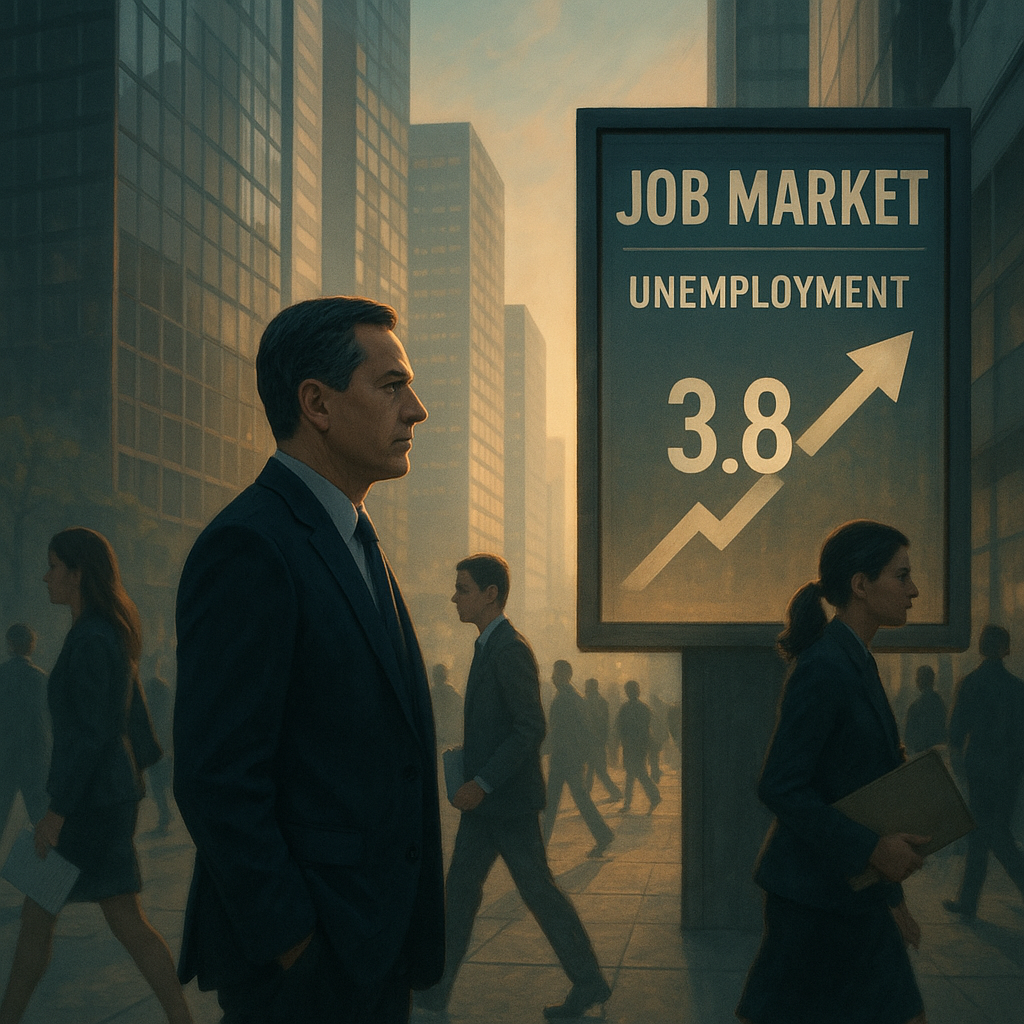
On a typical weekday morning in 2026, millions of American workers wake up to a job market marked by paradoxes. Despite historically low unemployment rates, reports from the US Bureau of Labor Statistics reveal persistent mismatches between job openings and qualified candidates. The landscape is simultaneously flooded with opportunities and riddled with uncertainty. Artificial intelligence integration, sectoral shifts, and hybrid work models are creating waves that many struggle to navigate. According to recent surveys by Gallup, over 40% of American employees report feeling uncertain about their career trajectories, citing rapid technological changes and economic unpredictability.
This complex environment demands a new form of career endurance: resilience. The capacity to adapt, re-skill, and thrive amid ambiguity is no longer optional but critical for sustainable professional success. This article explores how workers can build that resilience amid a job market that often feels confusing and volatile.
Tracing the Roots: How Did We Get Here?
The current US job market complexity stems from a confluence of factors unfolding over the last decade. Post-pandemic recovery efforts initially triggered a rapid rebound in jobs, but by 2024, labor economists identified an emerging structural shift rather than a simple cyclical change. The rise of AI-driven automation began reshaping roles in manufacturing, logistics, and even white-collar sectors like finance and law.
Meanwhile, the gig economy and freelance work have grown exponentially. A 2025 Pew Research Center study found that nearly 35% of the US workforce engages in some form of freelance or contract work, up from 22% in 2020. This trend reflects both opportunity and instability, as many workers juggle multiple roles without traditional benefits.
Additionally, demographic changes, including an aging workforce and evolving immigration policies, have altered talent pools. The US is also grappling with regional disparities. Tech hubs like Austin and Raleigh flourish, while some Rust Belt cities face slow recovery, deepening inequalities across states.
Economic uncertainty—driven by geopolitical tensions and inflationary pressures—further complicates long-term career planning. Employers are cautious, often favoring flexible staffing models over permanent hires, leaving workers in a state of flux.
Decoding Career Resilience: What Does It Mean Today?
Career resilience is no longer just about bouncing back from setbacks. In 2026, it embodies a proactive, multifaceted approach encompassing adaptability, continuous learning, and strategic networking. Industry experts emphasize that resilient workers cultivate both hard and soft skills that allow them to pivot swiftly in response to market signals.
Data from the National Career Development Association highlights five core components of career resilience:
- Emotional Agility: Maintaining composure and optimism amidst change.
- Skills Agility: Engaging in lifelong learning and acquiring transferable skills.
- Network Agility: Building diverse professional relationships beyond immediate roles.
- Opportunity Agility: Recognizing and seizing emerging trends and roles.
- Financial Agility: Managing personal finances prudently to weather career uncertainties.
Successful professionals increasingly blend these traits, using technology platforms and community resources to stay connected and informed. For example, online learning providers like Coursera and Udacity report record enrollments in AI, cybersecurity, and data analytics courses, underscoring the prioritization of upskilling.
“Career resilience today is less about returning to your old role after a disruption and more about evolving your professional identity altogether,” notes Dr. Amanda Ruiz, a workforce futurist at the Center for Workforce Innovation.
2026 Developments Shaping Career Resilience Strategies
Several recent developments in 2026 profoundly influence how workers build resilience in the US job market. First, AI augmentation has become mainstream, with tools like generative AI assisting in everything from coding to customer service. While automation displaces certain repetitive tasks, it also creates new roles requiring oversight, ethical governance, and creative problem-solving.
Secondly, hybrid and remote work models have solidified their place. According to a 2026 report by Gallup, 62% of US workers engage in hybrid work arrangements. This shift demands enhanced digital literacy and self-management skills, along with a proactive approach to career visibility in virtual environments.
Thirdly, employers increasingly emphasize diversity, equity, and inclusion (DEI) initiatives, recognizing their role in innovation and retention. Career resilience now includes navigating cultural competencies and advocating for equitable workplace policies.
Finally, government and private sector initiatives address workforce re-skilling. The Minnesota Career Expo, for instance, has become a national model for accelerating hiring by connecting displaced workers with emerging industries, detailed in our related piece on how Minnesota’s career events are transforming hiring in 2026.
- Growth of AI-augmented roles requiring hybrid skills
- Hybrid work demanding digital and interpersonal agility
- Expansion of DEI shaping workplace dynamics
- Public-private partnerships fostering re-skilling and rapid hiring
“The key for workers is to view change as an opportunity for reinvention rather than a threat,” says Lisa Chen, CEO of ResilienceWorks, a career coaching firm specializing in emerging market skills.
Practical Steps to Cultivate Career Resilience
Building career resilience involves intentional strategies that empower workers to navigate uncertainty effectively. Here are actionable steps backed by research and expert consensus:
- Commit to Continuous Learning: Regularly update skills through accredited courses and micro-credentials. Focus on areas with strong growth outlooks such as AI literacy, data analysis, and interpersonal communication.
- Expand and Diversify Networks: Engage with professional associations, online communities, and local career events. Diverse networks provide insights, mentorship, and potential job leads.
- Develop a Personal Brand: Cultivate a consistent presence on platforms like LinkedIn and industry forums to increase visibility and credibility.
- Strengthen Financial Foundations: Maintain emergency savings and consider diversified income streams to cushion against job disruptions.
- Stay Informed of Industry Trends: Follow sector news, labor reports, and economic indicators to anticipate shifts and position oneself advantageously.
Integrating these steps creates a dynamic career approach that aligns with the volatile market conditions documented in our analysis of workers shifting from job hunting to survival mode amid economic turmoil.
Real-World Examples: Resilience in Action
The story of Jasmine Martinez, a former retail manager in Detroit, exemplifies career resilience. After her store closed in 2025 due to automation, Jasmine enrolled in a local workforce program focused on logistics and supply chain management, sectors booming with the rise of e-commerce. Within months, she secured a role at a regional distribution center, leveraging her managerial experience and new technical skills.
Similarly, Marcus Lee, a graphic designer from Minneapolis, pivoted to user experience (UX) design after attending the Minnesota Career Expo. His ability to blend creativity with technical tools earned him a position at a leading health tech startup. Their stories mirror broader trends observed nationwide, where adaptable workers find pathways despite market confusion.
- Jasmine’s shift from retail to logistics post-automation
- Marcus’s upskilling from graphic design to UX design via career expo
- Both leveraging community resources and continuous education
These examples highlight that career resilience is not theoretical but practical, grounded in deliberate action and resourcefulness.
What Lies Ahead: Navigating Future Career Challenges
Looking forward, several factors will influence career resilience strategies. Increasing automation will continue reshaping job roles, making adaptability even more crucial. Workers must embrace lifelong learning as an integral part of their careers, not a temporary fix.
Economic volatility, driven by global geopolitical shifts, will demand financial prudence and flexible career planning. Moreover, the rise of decentralized work platforms and AI-mediated hiring may redefine traditional employment relationships.
Policymakers and educators have a pivotal role. Expanding access to affordable re-skilling programs and supporting mental health in the workplace will enhance overall workforce resilience. Employers should foster cultures that reward adaptability and continuous development.
“The future belongs to those who can learn, unlearn, and relearn with agility,” asserts Dr. Ruiz. “Building career resilience is a lifelong commitment.”
Ultimately, by adopting a proactive mindset, investing in skills, nurturing networks, and managing finances wisely, American workers can transform the confusion of today’s job market into opportunities for growth and fulfillment.
For further insights on mastering career resilience and adapting to economic uncertainty, readers can explore our in-depth analyses: Building Career Resilience Amid the Uncertainty of the US Job Market and From Job Hunting to Survival Mode: How Workers Are Adapting Amid Economic Turmoil.