Growing a successful business requires more than offering quality products or services. Customers today make purchasing decisions based on what they find online, from search engine results and customer reviews to social media conversations and company websites. A strong digital presence combined with a positive online reputation has become one of the most valuable assets for businesses looking to compete in today's fast-paced marketplace.
Whether a company serves local customers or operates nationally, building trust online is essential. Businesses that invest in professional marketing strategies while actively managing their public image are better positioned to attract qualified leads, strengthen customer relationships, and create sustainable long-term growth.
This article explores how digital marketing and reputation management work together to establish credibility, increase visibility, and help businesses stay ahead of the competition.
Why Your Online Presence Defines Your Business
The internet has transformed how consumers discover and evaluate businesses. Before making a purchase, most people search online, visit company websites, compare competitors, and read customer reviews. A single negative experience or the absence of useful online information can influence their decision.
A well-planned digital strategy ensures that potential customers encounter accurate information, engaging content, and a professional brand image at every stage of their buying journey. It also creates multiple opportunities to connect with customers across search engines, social media platforms, email campaigns, and other digital channels.
Companies that consistently invest in their online presence often enjoy stronger brand recognition, improved customer loyalty, and higher conversion rates.
The Role of Digital Marketing in Business Growth
Digital marketing is far more than simply running advertisements or publishing social media posts. It involves creating a connected strategy that attracts visitors, nurtures relationships, and converts interest into measurable business results.
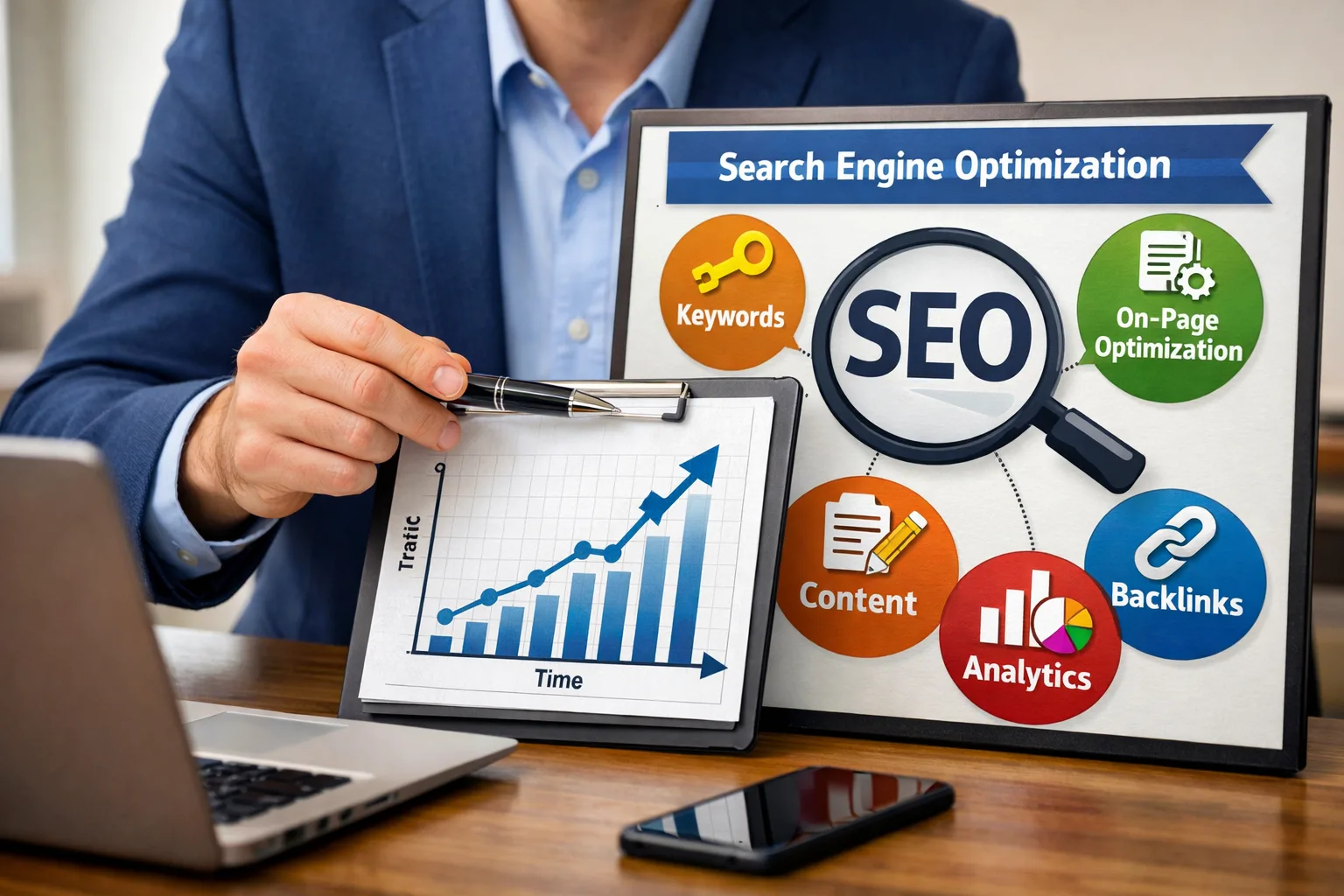
Working with a digital marketing company Boston allows businesses to develop customized strategies that combine search engine optimization, paid advertising, content marketing, email campaigns, website optimization, and social media engagement to reach the right audience more effectively.
Instead of relying on one marketing channel, successful businesses integrate multiple platforms that complement each other and provide a consistent customer experience.
Building Trust Through Valuable Content
Customers are naturally drawn to businesses that educate rather than constantly sell. Publishing informative and relevant content helps answer common questions, demonstrate expertise, and establish authority within an industry.
Educational articles, service pages, customer success stories, industry insights, and helpful guides all contribute to a stronger online presence. High-quality content also supports search engine optimization by increasing organic visibility and encouraging visitors to spend more time on a website.
When businesses consistently provide valuable information, they position themselves as trusted advisors rather than just service providers.
Why Reputation Matters More Than Ever
Online reputation can influence purchasing decisions before a customer ever contacts a business. Reviews, testimonials, ratings, and social media conversations often become the first impression potential clients receive.
Even businesses with outstanding services may lose opportunities if they ignore their digital reputation. A few unanswered negative reviews or outdated business information can reduce customer confidence and impact conversions.
An effective online reputation management agency in USA helps businesses monitor online mentions, respond professionally to customer feedback, improve review profiles, manage brand perception, and build long-term credibility across digital platforms.
Reputation management is not about hiding criticism. Instead, it focuses on transparency, timely communication, and continuously improving customer experiences.
Customer Reviews Shape Buying Decisions
Modern consumers place significant value on reviews from previous customers. Positive feedback builds confidence, while thoughtful responses to negative reviews demonstrate professionalism and accountability.
Businesses should encourage satisfied customers to leave honest reviews and make responding to feedback a regular part of their customer service strategy. Prompt, respectful communication often strengthens customer relationships and demonstrates that the business values every client experience.
Over time, a consistent collection of authentic reviews contributes to stronger search visibility and increased consumer trust.
A Professional Website Reinforces Credibility
Your website is often the center of every digital marketing effort. Whether visitors arrive through search engines, social media, or paid advertisements, they expect a professional, informative, and easy-to-use experience.
An effective business website should load quickly, display properly on every device, and guide visitors toward meaningful actions. Clear messaging, intuitive navigation, compelling calls to action, and secure browsing all contribute to higher engagement and stronger conversion rates.
A modern website also serves as a central hub where visitors can learn about services, read customer testimonials, explore educational resources, and contact your business with confidence.
The Power of Consistent Branding
Consistency builds recognition. Every customer interaction should reinforce the same brand identity, whether it occurs on a website, social media platform, email newsletter, or online advertisement.
Consistent branding includes visual design, messaging, tone of voice, and customer experience. Businesses that maintain a unified identity appear more professional and trustworthy, making it easier for customers to remember and recommend them.
Brand consistency also helps establish authority in competitive industries where consumers have numerous choices.
Measuring Marketing and Reputation Success
One of the greatest advantages of digital marketing is the ability to measure performance using real data. Instead of relying on assumptions, businesses can evaluate how customers interact with their brand and identify opportunities for improvement.
Important metrics include website traffic, conversion rates, customer engagement, search visibility, online reviews, brand mentions, lead quality, and customer retention. Monitoring these indicators helps businesses understand which strategies are producing the strongest results and where adjustments are needed.
Reputation management should also include regular monitoring of customer sentiment, review trends, and social conversations to ensure issues are addressed before they escalate.
Common Challenges Businesses Face
Many businesses struggle to maintain a strong digital presence because they focus only on short-term marketing efforts. Running advertisements without improving a website, publishing inconsistent content, or ignoring customer feedback often limits long-term success.
Another common challenge is failing to adapt to changing customer expectations. Search engines update their algorithms, social media platforms introduce new features, and consumer behavior continues to evolve. Businesses that remain flexible and committed to continuous improvement are more likely to achieve sustainable growth.
Ignoring online reviews, allowing outdated information to remain on business listings, or failing to respond to customer concerns can also damage credibility over time.
Emerging Trends Shaping Digital Growth
Technology continues to reshape how businesses connect with customers. Artificial intelligence is improving personalization, automation is streamlining communication, and predictive analytics is helping marketers make smarter decisions.
Video content continues to gain popularity, while voice search and conversational search are influencing how customers discover businesses online. Privacy regulations are also encouraging companies to build stronger first-party relationships with customers rather than relying heavily on third-party data.
Businesses that embrace these developments while maintaining authentic communication will be better positioned to compete in the years ahead.
Choosing the Right Marketing Partner
Selecting the right agency is one of the most important decisions a business can make. An experienced partner understands that sustainable growth comes from combining technical expertise, creative thinking, and data-driven decision-making.
Look for a team with proven experience, transparent communication, measurable results, and a commitment to understanding your industry. Rather than offering one-size-fits-all solutions, the right agency develops customized strategies based on your business objectives and continuously refines them as markets evolve.
A trusted marketing partner should also help protect your brand reputation while supporting lead generation, customer engagement, and long-term business growth.
Conclusion
Building a successful business in today's digital landscape requires more than visibility alone. Customers expect trustworthy brands, valuable information, responsive communication, and positive online experiences before making purchasing decisions.
By combining strategic digital marketing with proactive reputation management, businesses can strengthen their brand, attract qualified customers, and create lasting relationships built on credibility and trust. Organizations that consistently invest in both areas are better equipped to navigate changing market conditions, outperform competitors, and achieve sustainable long-term success.