Safety footwear has changed considerably. Gone are the days when the only option was a heavy-looking work boot that felt more at home on a building site than anywhere else.
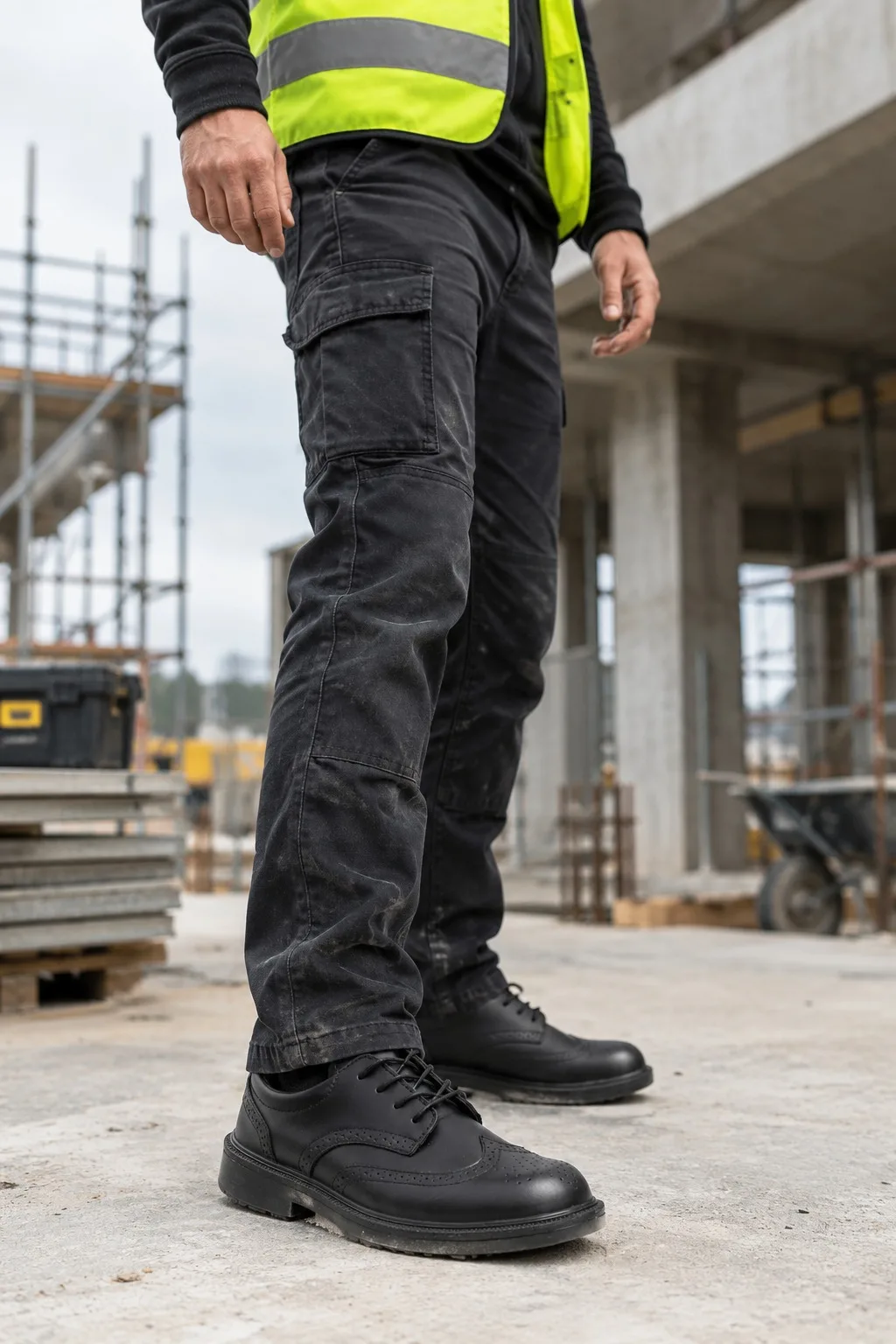
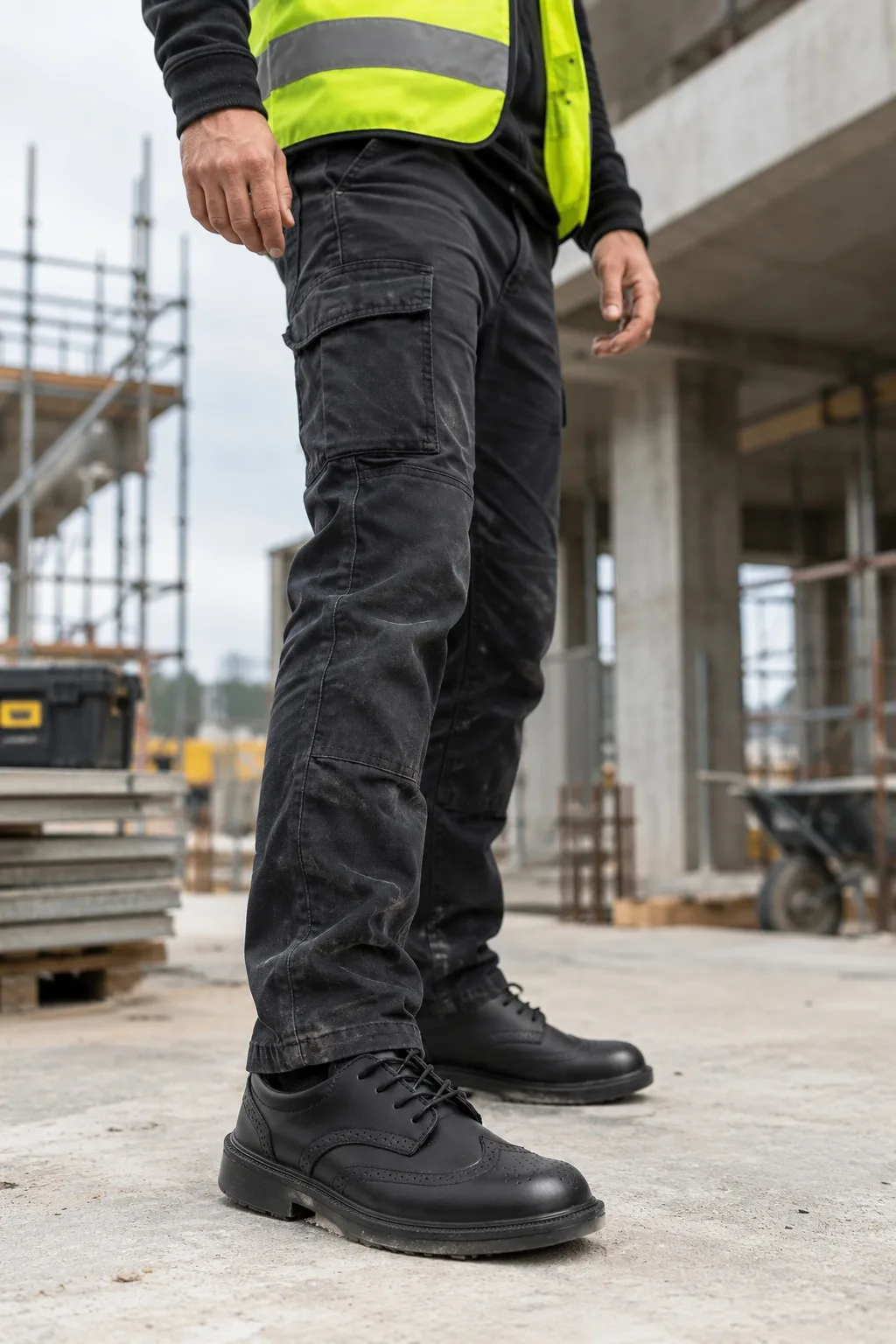
Today, workers often want protection without sacrificing personal style. That's where brogue steel toe cap shoes offer an interesting alternative. They combine the familiar detailing of traditional brogue footwear with protective features designed for working environments.
The result is a shoe that can look considerably smarter than conventional safety footwear while still being practical for the job.
Of course, appearance should never be the deciding factor when safety is involved. The first question is whether the footwear meets the requirements of the workplace. After that, comfort, durability, fit and style become much easier to assess.
Why Safety Footwear No Longer Has to Look Purely Functional
For many years, work shoes were designed almost entirely around protection.
That made sense. A construction worker, warehouse operative or engineer needs footwear that can cope with demanding conditions. But workers also spend time travelling to sites, attending meetings, visiting customers and moving between different environments.
A more versatile-looking safety shoe can therefore be useful.
Brogue detailing adds character without necessarily making the footwear unsuitable for practical work. Traditional perforated patterns, stitched uppers and polished finishes can create a more refined appearance than the standard heavy-duty boot.
The important distinction is between style and suitability.
A shoe can look like a formal brogue and still be designed specifically for workplace use.
Brogue Steel Toe Cap Shoes: What to Look For
When comparing brogue steel toe cap shoes, start with the protective specification rather than the appearance.
The toe protection should be appropriate for the hazards identified in your workplace. Steel is a familiar choice because of its strength, but the overall design matters too.
Pay attention to the outsole.
A good work shoe should provide dependable traction for the surfaces you regularly encounter. Wet concrete, smooth indoor floors and muddy outdoor ground can all require slightly different levels of grip.
The upper material matters as well. Leather can provide durability and a more traditional appearance, while modern synthetic materials may be lighter or easier to maintain.
Then there's the construction.
Check the stitching, sole attachment and heel area. A well-constructed shoe should feel secure and balanced rather than excessively stiff.
Balancing Comfort and Workplace Protection
Protection is only useful when the footwear can be worn comfortably throughout the working day.
A worker who spends eight or ten hours on hard flooring needs cushioning, support and a fit that remains comfortable over time.
Try the shoes with the socks you would normally wear at work. This small detail can make a noticeable difference to sizing.
The heel should remain secure without rubbing, while the toe area should provide enough room for natural movement without allowing excessive foot movement inside the shoe.
Weight deserves consideration too.
Steel toe protection adds structure, but a well-designed shoe should not feel unnecessarily cumbersome. If your job involves constant walking, even modest differences in weight can become noticeable over several hours.
When Affordable Safety Workwear Shoes Make Sense
Not every job requires premium-priced footwear.
For workers looking for affordable safety workwear shoes, the goal should be finding the right balance of protection, comfort and durability rather than simply choosing the cheapest pair available.
A lower price can be perfectly reasonable when the shoe meets the required specification and is well suited to the working environment.
Look at the whole picture.
A cheap shoe that wears through quickly or causes discomfort may cost more in the long run than a moderately priced pair that remains comfortable and reliable.
It's also worth considering how frequently the shoes will be used. Someone wearing safety footwear occasionally may have different priorities from a professional who uses the same pair five or six days a week.
Value is measured over time, not simply at the till.
Choosing the Best Safety Boots for Construction
Although safety shoes can work well in many environments, more demanding sites may require a boot.
When comparing the Best safety boots for construction, think about the specific hazards involved.
Construction footwear may need:
- Protective toe caps
- Slip-resistant soles
- Penetration-resistant midsoles
- Water resistance
- Ankle support
- Durable uppers
- Shock-absorbing cushioning
The right combination depends on the job.
Someone working mostly indoors may not need the same level of weather protection as a tradesperson working outside throughout winter. A worker on uneven ground may prioritise stability, while someone covering long distances around a warehouse may prefer a lighter construction.
Don't buy the most substantial boot simply because it looks more protective.
More material doesn't automatically mean better performance.
Fit, Grip and Everyday Wear
A safety shoe should work with the way you actually move.
If you regularly climb ladders, walk across uneven surfaces or kneel during your work, test the footwear in positions that reflect those movements.
Grip also deserves more attention than it often gets.
The best outsole for a dry workshop may not be the best choice for muddy ground. Look at the tread pattern and think about the surfaces you'll encounter most frequently.
A shoe should also remain reasonably comfortable when you're seated. Many workers spend part of their day driving between sites, so heel height and ankle flexibility can matter more than expected.
Good work footwear is designed around the entire working day, not just the moments when you're exposed to obvious hazards.
Caring for Safety Footwear
Even hard-wearing work shoes benefit from basic maintenance.
Remove mud and surface dirt regularly, especially around the sole and stitching. Follow the manufacturer's cleaning instructions for leather and specialist materials.
Wet footwear should be allowed to dry naturally. Direct heat can damage leather and weaken adhesives.
Check the outsole periodically for excessive wear. A shoe can still look presentable while the tread has become too worn to provide the level of grip you need.
Replace footwear when its protective or structural features are no longer reliable.
Trying to extend the life of a safety shoe beyond its useful condition is rarely worth the risk.
Common Buying Mistakes
The first mistake is buying entirely on appearance.
A stylish shoe is appealing, but its safety specification and fit should come first.
Another mistake is assuming that a larger or heavier shoe provides better protection. The design and certification are more important than visual bulk.
Buying the wrong size is also surprisingly common. Safety footwear should be tried with normal work socks, and both feet should be considered because they aren't always identical in size.
Finally, don't ignore your employer's requirements.
Some workplaces have specific standards or footwear specifications that must be followed, regardless of personal preference.
The appeal of brogue steel toe cap shoes is that they demonstrate how workplace footwear can combine practical protection with a more traditional sense of style. But looks should always come second to suitability, fit and the safety requirements of the job.
For workers comparing affordable safety workwear shoes, focus on long-term value rather than the lowest price. And where the environment is more demanding, researching the best safety boots for construction means looking carefully at grip, toe protection, durability, weather resistance and comfort.
The right safety footwear should become something you barely notice during a shift.
That's usually when you know you've chosen well.
FAQs
Are brogue steel toe cap shoes suitable for construction work?
Some may be suitable, but it depends on the individual model and the safety requirements of the site. Always check the footwear specification before wearing it for construction work.
Are steel toe caps better than other safety toe materials?
Steel is a well-established protective material, but other toe-cap materials have different characteristics. The appropriate choice depends on the workplace requirements, footwear design and wearer preferences.
Can safety shoes be both smart and comfortable?
Yes. Modern safety footwear increasingly combines workplace protection with lighter construction, cushioning and more refined styling.
How long should safety work shoes last?
There is no fixed lifespan. Usage, working conditions, materials and maintenance all affect durability. Replace footwear when the sole, upper or protective components become compromised.