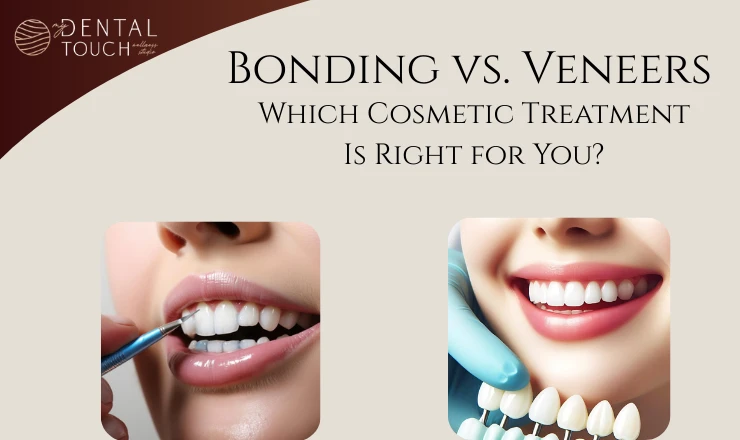
If you’re looking to improve your smile, you’ve probably come across two popular cosmetic dentistry options: dental bonding and dental veneers. Both treatments are designed to enhance the appearance of your teeth, and at first glance, they may seem very similar. They can both fix chips, close small gaps, cover discoloration, and improve the shape of uneven teeth. So it’s no surprise that many patients feel unsure about which one to choose.
The truth is, while bonding and veneers can address many of the same cosmetic concerns, they differ in important ways, including durability, cost, appearance, and how the procedures are performed. What works best for one person may not be the ideal choice for someone else. Your lifestyle, budget, smile goals, and the current condition of your teeth all play a role in deciding the right treatment.
Understanding the differences between bonding and veneers helps you make a confident, informed decision rather than guessing based on appearance alone. In this guide, we’ll break down how each option works, their benefits and limitations, and which situations they’re best suited for, so you can choose the solution that fits your smile perfectly.
What Is Dental Bonding?
Dental bonding is a cosmetic procedure used to improve the appearance of teeth by applying a tooth-colored material called composite resin. This resin is carefully shaped and polished to blend naturally with your surrounding teeth, making it a simple and effective way to correct minor smile imperfections.
Bonding is often recommended for patients who want quick, noticeable improvements without extensive dental work. It’s a versatile treatment that can address a variety of cosmetic concerns.
Material Used
The material used in bonding is a durable composite resin that closely matches the natural color of your teeth. The dentist selects a shade that blends seamlessly, so the repaired area looks natural and not obvious.
How the Procedure Works
The bonding process is typically straightforward:
- The tooth surface is gently prepared to help the material adhere.
- A conditioning liquid may be applied to improve bonding strength.
- The composite resin is placed on the tooth and molded into the desired shape.
- A special curing light hardens the material.
- The tooth is trimmed, shaped, and polished for a smooth, natural finish.
The result is an immediate cosmetic improvement in just one visit in many cases
Typical Time Required
One of the biggest advantages of dental bonding is speed. Most bonding procedures can be completed in a single appointment, often in less than an hour per tooth. This makes it a convenient option for patients who want fast results without multiple visits.
What Are Dental Veneers?
Dental veneers are thin, custom-made shells designed to cover the front surface of teeth to improve their appearance. They are a popular cosmetic dentistry solution for patients who want a dramatic and long-lasting smile transformation.
Veneers are carefully crafted to match the shape, size, and color that best fits your smile, creating a natural and balanced look.
Types of Dental Veneers
There are two main types of veneers:
Porcelain Veneers
These are made from high-quality ceramic material. Porcelain closely mimics the light-reflecting properties of natural tooth enamel, giving veneers a very realistic appearance. They are also highly stain-resistant and durable.
Composite Veneers
These are made from the same type of tooth-colored resin used in bonding. They are usually more affordable than porcelain veneers and can sometimes be placed in a single visit, though they may not last as long.
How Veneers Are Placed
Getting veneers usually involves a few steps:
- Consultation & planning: Your dentist evaluates your smile and discusses your goals.
- Tooth preparation: A very thin layer of enamel is removed from the front of the tooth to make room for the veneer.
- Impressions or digital scans: These are used to create veneers that fit your teeth precisely.
- Temporary veneers: You may wear temporary coverings while your permanent veneers are being made.
- Final placement: The veneers are bonded securely to your teeth and adjusted for a comfortable, natural fit.
Treatment Timeline
Unlike bonding, veneers usually require two or more visits. The extra time allows for careful design and fabrication, which contributes to their natural look and durability.
Problems Bonding and Veneers Can Fix
Both dental bonding and veneers are designed to correct cosmetic imperfections and create a more attractive smile. While veneers are often used for larger transformations and bonding for smaller fixes, they can treat many of the same issues.
Chipped Teeth
Accidents or everyday wear can cause small chips. Bonding can repair minor chips quickly, while veneers can restore more noticeable damage and provide a uniform appearance.
Gaps Between Teeth
Small spaces between teeth can be closed using either bonding or veneers. The material is shaped to widen the tooth’s appearance, creating a more even smile.
Discoloration
Some stains do not respond well to whitening treatments. Bonding and veneers can cover deep discoloration, especially when caused by medications, injury, or enamel defects. Veneers, particularly porcelain ones, are more stain-resistant long term.
Uneven or Misshaped Teeth
Teeth that are too small, worn down, or irregularly shaped can be reshaped with bonding or covered with veneers for a smoother, more symmetrical look.
Minor Alignment Issues
While they don’t replace orthodontics, bonding and veneers can visually improve the appearance of slightly crooked or uneven teeth by reshaping the front surfaces.
Key Differences Between Bonding and Veneers
While dental bonding and veneers can fix similar cosmetic issues, they differ in materials, longevity, cost, and the overall treatment process. Understanding these differences helps you choose the option that fits your smile goals and lifestyle.
Appearance
Both treatments improve the look of your teeth, but veneers are often considered the gold standard for cosmetic results.
- Bonding: Looks natural but may not reflect light exactly like natural enamel. Over time, it can lose its polish and appear dull.
- Veneers: Especially porcelain veneers, closely mimic natural teeth in color, translucency, and shine, giving a more refined and long-lasting aesthetic result.
Durability
Longevity is one of the biggest differences.
- Bonding: Typically lasts several years with proper care but may chip, stain, or wear down sooner.
- Veneers: Porcelain veneers are stronger and more resistant to staining and wear, often lasting many years before needing replacement.
Cost
Cost varies based on the number of teeth treated and case complexity.
- Bonding: Generally more affordable upfront, making it a good option for small cosmetic fixes or budget-conscious patients.
- Veneers: Higher initial investment due to materials, lab work, and customization, but often longer-lasting.
Procedure Invasiveness
The level of tooth preparation is different.
- Bonding: Usually requires little to no removal of natural tooth structure.
- Veneers: A thin layer of enamel is typically removed, making the procedure more permanent and not easily reversible.
Treatment Time
- Bonding: Often completed in a single visit.
- Veneers: Usually requires multiple appointments for design, fabrication, and placement.
Pros and Cons of Dental Bonding
Dental bonding is a popular choice for patients who want quick, conservative cosmetic improvements.
Pros of Dental Bonding
More Affordable: Bonding generally costs less than veneers, making it accessible for minor smile enhancements.
Quick Procedure: Most bonding treatments can be done in one visit, offering immediate results.
Minimal Tooth Alteration: Little to no enamel removal is required, which helps preserve your natural tooth structure.
Easily Repairable: If bonding chips or wears down, it can often be repaired without replacing the entire restoration.
Cons of Dental Bonding
Less Durable: Bonding material is not as strong as porcelain and may chip or wear over time.
More Prone to Staining: Composite resin can stain from coffee, tea, red wine, and tobacco.
May Need Touch-Ups: Because it doesn’t last as long as veneers, bonding may require maintenance or replacement sooner.
Best for Smaller Changes: Bonding works well for minor cosmetic issues but may not provide the dramatic transformation some patients want.
Pros and Cons of Dental Veneers
Dental veneers are often chosen by patients who want a dramatic, long-lasting smile transformation. However, like any treatment, they come with both advantages and considerations.
Pros of Dental Veneers
Long-Lasting Results: Porcelain veneers are durable and designed to withstand everyday wear. With proper care, they can maintain their appearance for many years.
Highly Stain-Resistant: Porcelain resists staining from coffee, tea, wine, and other common foods and drinks, helping your smile stay bright.
Natural, High-End Appearance: Veneers closely mimic the translucency and shine of natural enamel, often providing a more polished and uniform look than bonding.
Ideal for Multiple Cosmetic Concerns: Veneers can address several issues at once, color, shape, size, and minor alignment, making them a popular choice for smile makeovers.
Cons of Dental Veneers
Higher Upfront Cost: Veneers require custom lab fabrication and multiple appointments, which makes them a larger initial investment compared to bonding.
Permanent Tooth Alteration: A thin layer of enamel is usually removed to place veneers. This means the procedure is not reversible.
Longer Treatment Process: Veneers typically require at least two visits, and sometimes temporary veneers are needed while waiting for the final ones.
Not Ideal for Every Case: Patients with severe bite issues, teeth grinding, or poor oral health may need other treatments first.
Which Option Is Better for Different Smile Goals?
The “right” choice depends on what you want to achieve, your budget, and how long you want the results to last.
For Small Cosmetic Fixes
If you have a minor chip, small gap, or slight shape issue, dental bonding may be the better choice. It’s quick, affordable, and effective for subtle improvements.
For a Full Smile Transformation
If you want a major change in the color, shape, and overall symmetry of your smile, veneers often provide the most dramatic and uniform results.
For Budget Considerations
Patients looking for a lower upfront cost often choose bonding. Those willing to invest more initially for longer-lasting and more stain-resistant results may prefer veneers.
For Long-Term vs. Short-Term Solutions
- Bonding can be a good short- to medium-term solution and may need maintenance over time.
- Veneers are typically chosen by patients looking for a long-term cosmetic upgrade.
Lifestyle Factors
People who drink staining beverages frequently or want the most natural, camera-ready smile often lean toward veneers. Patients who want a less invasive option may feel more comfortable starting with bonding.
What to Expect at Your Consultation at My Dental Touch
Your cosmetic consultation is the first step toward achieving the smile you want. At My Dental Touch, the visit is designed to be comfortable, informative, and tailored to your goals.
Smile Evaluation
The dentist will examine your teeth, gums, and bite to understand your oral health and cosmetic concerns. This helps determine whether bonding, veneers, or another treatment is the best fit.
Discussion of Your Goals
You’ll talk about what you’d like to improve, whether it’s color, shape, gaps, chips, or overall symmetry. Sharing photos or examples of smiles you like can help guide the plan.
Imaging and Planning
Digital images or impressions may be taken to assess tooth structure and design your potential results. This step ensures precise, personalized treatment planning.
Treatment Recommendations
Based on your smile condition and goals, the dentist will explain your options, including the benefits and limitations of bonding and veneers.
Cost and Timeline Overview
You’ll receive a clear explanation of treatment costs, how long the process takes, and available payment options, so you can make a confident decision.
How to Care for Bonding or Veneers
Proper care helps extend the life of your cosmetic dental work and keeps your smile looking its best.
Maintain Good Oral Hygiene
Brush twice daily, floss regularly, and keep up with routine dental checkups. Healthy gums and teeth support long-lasting cosmetic results.
Be Mindful of Hard Objects
Avoid biting on ice, pens, or hard foods, which can chip bonding or veneers.
Watch Staining Habits
Bonding can stain over time, so limiting coffee, tea, red wine, and tobacco can help maintain appearance. Veneers are more stain-resistant but still benefit from good habits.
Use a Night Guard if Recommended
If you grind your teeth at night, a custom night guard can protect your restorations from damage.
Regular Dental Visits
Professional cleanings and exams help monitor the condition of bonding or veneers and address small issues before they become larger problems.
Conclusion
Dental bonding and veneers are both excellent cosmetic dentistry options, but the right choice depends on your individual smile goals, budget, and long-term expectations. Bonding offers a quick, affordable, and minimally invasive way to fix small imperfections, while veneers provide a more durable and dramatic transformation for patients seeking a long-lasting, high-end result.
Understanding the differences in appearance, longevity, procedure, and cost helps you make a confident and informed decision rather than guessing which treatment might work best. Every smile is unique, and what works for one person may not be ideal for another.
The best way to decide is through a professional evaluation, where your teeth, bite, and cosmetic goals can be carefully assessed. With personalized guidance, you can choose the solution that enhances not just your smile, but also your comfort and confidence for years to come.