In today's hyperconnected business world, time isn't just money, it's the deciding factor between closing the deal and watching it slip away. Traditional air travel, with its security theater, inflexible timetables, and connection chaos, just doesn't cut it anymore for executives who need to be everywhere yesterday. Private aviation has evolved beyond its luxury reputation to become a serious strategic asset that delivers real, measurable business outcomes. While competitors waste precious hours in airport terminals, forward, thinking companies are leveraging private flights to gain competitive advantages that show up directly on the balance sheet.
Maximizing Executive Productivity and Time Management
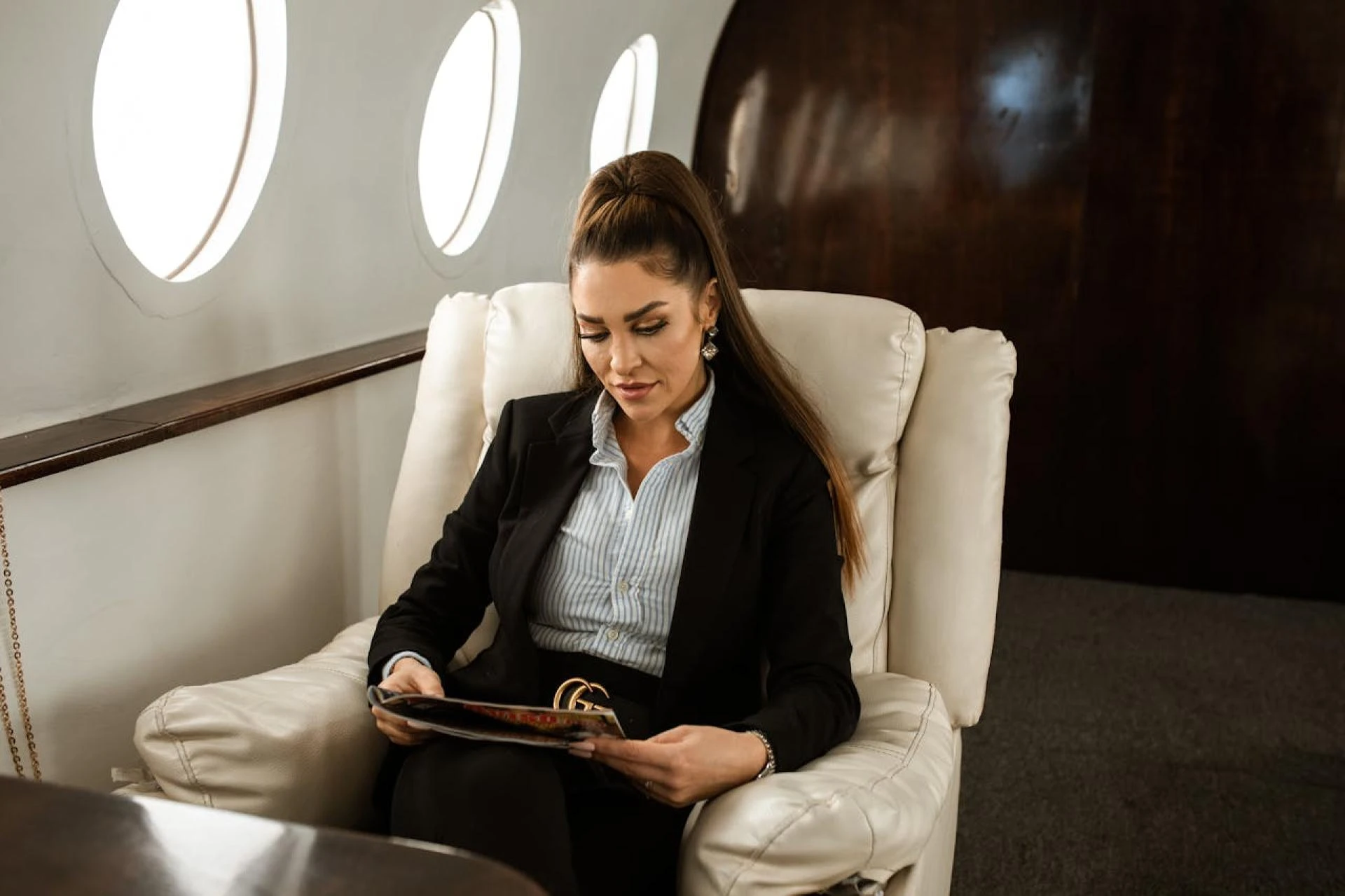
Here's the reality: executive time is expensive, and commercial aviation wastes it spectacularly. Think about what happens with typical commercial flights, executives arrive two hours early for domestic flights, even longer for international. They navigate security checkpoints, wait at crowded gates, and often face layovers that turn what should be a three-hour trip into an all-day affair. Private aviation flips this script entirely. But there's more to it than just time savings. The cabin itself becomes a mobile office where actual work happens. Need to hash out sensitive contract details? You've got complete privacy. Want to conduct video conferences with crystal-clear connectivity? It's all there.
Strategic Flexibility and Scheduling Control
Commercial airlines operate on their schedule, not yours, and that fundamental limitation creates friction for businesses that need to move at market speed. When opportunities arise or situations demand immediate attention, having to work around airline timetables can mean the difference between seizing the moment and missing out entirely. Private aviation puts control back where it belongs: with the business leaders making strategic decisions.
Access to Remote Locations and Multiple Destinations
When time is tight and geography isn't cooperating, private jet charter services provide solutions that sound almost fictional to executives stuck in the commercial system. Land at a regional airport ten minutes from your manufacturing facility instead of flying into a major hub two hours away. Conduct site visits at three different facilities across two states in a single day, sleeping in your own bed that night instead of racking up hotel bills. Visit corporate locations, meet with clients, and inspect operations with an efficiency that makes traditional travel planning look absurdly inefficient.
The operational implications extend beyond mere convenience. Retail executives can conduct store visits across multiple markets without losing days to travel. Manufacturing leaders can personally oversee quality issues at distant plants without the multi, day commitment that commercial travel demands. Due diligence teams can visit acquisition targets, inspect facilities, and meet management face-to-face while the deal is still hot.
Enhanced Security and Confidentiality for Sensitive Business
In an age when corporate espionage can happen through a smartphone camera and competitive intelligence gathering has become sophisticated beyond belief, the security vulnerabilities of commercial aviation should genuinely concern business leaders. Confidential conversations happen at 35, 000 feet whether you want them overheard or not. Sensitive documents get glimpsed by seat neighbors. Strategic plans get discussed in airport lounges where anyone might be listening.
Private aviation eliminates these risks entirely. The aircraft becomes a secure environment where executives can speak freely about pending acquisitions, discuss proprietary technology, or review confidential financial information without concern. This isn't paranoia, it's prudent risk management when you're dealing with information that could move markets or provide competitors with strategic advantages. The privacy extends to travel itself; there's no passenger manifest showing up in public databases, no gate announcements broadcasting executive movements, and no chance encounters at commercial terminals that might tip off competitors to your strategic intentions.
Team Collaboration and Corporate Culture Benefits
Something interesting happens when leadership teams travel together on private aircraft, the journey itself becomes productive. That flight time transforms into an impromptu strategy session, a problem-solving workshop, or relationship-building opportunity that would never occur on a commercial flight where executives might not even sit together. Strategic discussions flow naturally, decisions get made in real-time, and team cohesion strengthens through shared experiences.
Conclusion
The business case for private aviation isn't really about luxury, it's about competitive advantage in markets that reward speed, flexibility, and strategic agility. When executive time is valued correctly, when productivity gains are measured honestly, and when competitive positioning matters, private aviation delivers returns that show up where it counts: in won deals, executed strategies, and operational effectiveness that competitors can't match.