
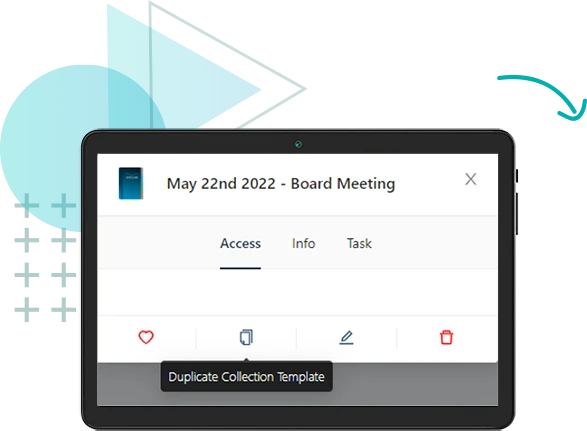
Board meetings are essential for decision-making, strategy discussions, and governance. However, without structure, meetings can easily become unfocused and inefficient. That’s where a board meeting template comes in. It provides a clear framework that ensures every agenda item is covered, discussions stay on track, and decisions are documented properly.
What Is a Board Meeting Template?
A board meeting template is a pre-structured document that guides the flow of board meetings. It typically outlines the agenda, discussion topics, and action points. By using a template, organizations save time, ensure compliance, and create consistency across meetings.
Key Elements of a Board Meeting Template
A well-designed template usually includes:
- Meeting Details: Date, time, location, and participants.
- Opening Section: Approval of previous minutes and review of the agenda.
- Reports: Financial updates, committee reports, and executive summaries.
- Discussion Items: Strategic goals, key issues, and upcoming projects.
- Decisions & Voting: Resolutions passed during the meeting.
- Action Items: Assignments with deadlines and responsible parties.
- Closing: Next meeting date and adjournment.
Benefits of Using a Template
- Improved Efficiency: Keeps meetings on schedule.
- Clarity & Transparency: Ensures all members know what will be discussed.
- Consistency: Standardizes meeting documentation.
- Compliance: Helps with governance and legal record-keeping.
Different Types of Board Meeting Templates
- Formal Board Meeting Template: Best for corporations with strict governance.
- Nonprofit Board Template: Focuses on mission, fundraising, and program updates.
- Startup Board Template: Prioritizes growth, investors, and strategy discussions.
Final Thoughts
A board meeting template is more than just an agenda—it’s a tool that enhances productivity, accountability, and governance. Whether you’re running a corporate board, nonprofit, or startup, adopting a clear template ensures meetings are focused, efficient, and effective.