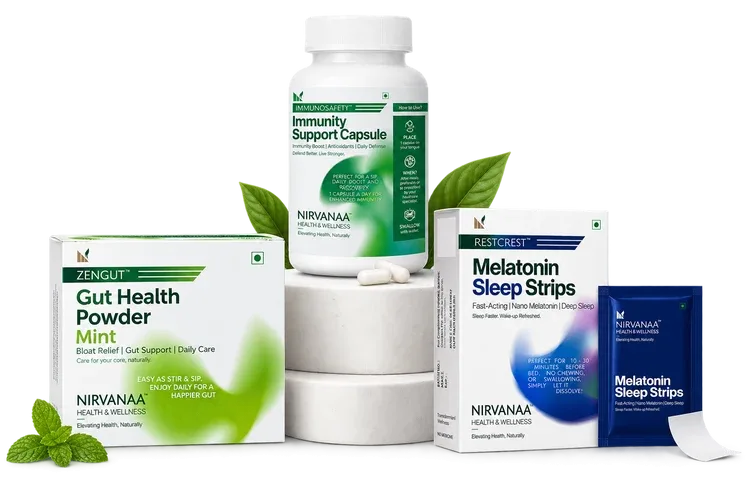
Bloating after lunch. Irregular mornings. A stomach that reacts to almost everything. Many people live with these signs for years and treat them as normal. Your gut, however, is often trying to tell you something.
In the last few years, gut care has moved from a niche wellness topic into everyday conversation. One product that keeps coming up is probiotic powder. It is easy to use, easy to carry, and easy to fit into a routine. Let’s look at what it is, why people choose it, and how to use it well.
Why Your Gut Deserves More Attention
Your digestive system is home to trillions of bacteria. Some help you digest food, make certain vitamins, and support your immune system. Others, when they outnumber the helpful ones, can leave you feeling sluggish and uncomfortable.
Stress, irregular meals, antibiotics, processed food, and poor sleep can all disturb this balance. The good news is that small, steady changes can help bring it back. That is where friendly bacteria, often called probiotics, come in.
What Is Probiotic Powder, Exactly?
Probiotic powder is a dry blend of live beneficial bacteria that you mix into water, juice, a smoothie, or a cool drink. Instead of swallowing a capsule, you stir it in and sip.
People often like it for a few practical reasons:
- It is gentle for anyone who finds tablets and capsules hard to swallow
- Flavored versions can make daily use something you look forward to
- Single-serve sachets travel easily
- It blends into foods and drinks you already enjoy
The form is just a matter of preference. What matters most is the quality of the strains inside and how consistently you take it.
The Idea Behind a Gut Health Powder
A gut health powder usually goes one step beyond bacteria alone. Many formulas combine probiotics with fibers, plant extracts, or digestive-friendly ingredients meant to support the whole digestive environment.
Think of your gut as a garden. Probiotics are the seeds. Fiber and other nourishing ingredients are the soil and water. A good blend tries to cover both sides so the helpful bacteria have what they need to settle in and thrive.
Understanding Prebiotics and Probiotics Together
This pairing confuses many people, so here is the simple version.
- Probiotics are the live, friendly bacteria.
- Prebiotics are the special fibers that feed those bacteria.
When both are included, you get what is commonly sold as a prebiotic and probiotic supplement. The two work like a team. Without food, the helpful bacteria struggle to multiply. Without the bacteria, the fiber has less of a beneficial partner to feed.
Foods such as garlic, onion, banana, oats, and lentils are natural prebiotic sources. Curd, buttermilk, kefir, and fermented vegetables provide natural probiotics. A powder simply gives you a consistent, measured dose on days when your diet falls short.
Possible Benefits People Look For
Research on probiotics is ongoing, and results vary from person to person and strain to strain. Still, people most commonly use them to support:
Smoother digestion. Some find that regular use helps reduce occasional bloating and gas.
Regularity. Certain strains are studied for their role in supporting normal bowel habits.
Recovery after antibiotics. Antibiotics can reduce good bacteria along with the bad, so many people use probiotics during and after a course. It is wise to check with a doctor about timing.
Immune support. A large part of the immune system is linked to the gut, which is why gut balance is part of overall wellness.
Everyday comfort. Many users simply report feeling lighter and more comfortable through the day.
Probiotics are a supportive tool, not a cure. They work best alongside good food, water, sleep, and movement.
How to Choose a Product Worth Your Money
The market is crowded, so a little label reading goes a long way.
1. Look for named strains. A good label lists the genus, species, and strain, such as Lactobacillus rhamnosus GG. Vague phrases like “probiotic blend” tell you very little.
2. Check the CFU count. CFU means colony-forming units, the number of live bacteria per serving. Many products range from one to ten billion or more. Higher is not always better, so match it to the strains used.
3. Watch the sugar. Some flavored powders add a lot of sweetener. Choose one with minimal added sugar.
4. Read the storage guidance. Live bacteria are sensitive to heat and moisture. Some need refrigeration, while others use stable formulations.
5. Prefer transparency. Brands that share third-party testing and clear ingredient lists deserve more trust.
A Simple Way to Use It
Here is an easy routine that many people find sustainable:
- Pick one time of day and stick to it, such as the morning, before breakfast.
- Mix one serving into cool or room-temperature water. Hot drinks can damage live bacteria.
- Stir well and drink it right away.
- Pair it with a fiber-rich meal throughout the day.
- Stay consistent for at least three to four weeks before judging results.
Start with the smallest serving if your stomach is sensitive. Mild gas in the first few days is common and usually settles as your gut adjusts.
Habits That Make It Work Better
A powder alone cannot do all the work. Add these supporting habits:
- Drink enough water through the day
- Eat more vegetables, fruits, and whole grains
- Cut back on ultra-processed snacks
- Sleep seven to eight hours
- Manage stress with walking, stretching, or breathing exercises
These small changes help the good bacteria you add to actually stay and flourish.
Who Should Be Careful
Most healthy adults tolerate probiotics well. However, people with weakened immunity, serious illness, or those who are pregnant should speak to a doctor first. The same goes for anyone giving it to young children.
Final Thoughts
Good digestion rarely comes from one dramatic change. It comes from steady habits, a balanced plate, and a little extra support where needed. Choosing a well-made product and using it daily can be a practical step toward feeling better from the inside out. Start small, stay consistent, and give your body time to respond.
Frequently Asked Questions
1. When is the best time to take probiotic powder?
Many people take it in the morning on an empty or light stomach. Others prefer taking it with a meal. Consistency matters more than the exact hour, so pick a time you can follow every day.
2. Can I mix it with hot tea or coffee?
It is better not to. High heat can destroy the live bacteria and reduce effectiveness. Use water, cold milk, buttermilk, or a smoothie instead.
3. How long does it take to see results?
Some people notice changes within a week, but most need three to four weeks of regular use. Results depend on the strains, your diet, and your overall health.
4. Is a gut health powder the same as a prebiotic and probiotic supplement?
They often overlap. A gut health powder may contain probiotics, prebiotics, or other digestive ingredients. A prebiotic and probiotic supplement specifically combines both so the fiber can feed the friendly bacteria.
5. Are there any side effects?
Mild bloating, gas, or loose stools can occur in the first few days as your gut adjusts. These usually fade quickly. If symptoms persist or worsen, stop use and consult a doctor.