Critical infrastructure facilities require advanced safety systems to protect employees, equipment, and operational areas from hazardous incidents. Industries such as oil and gas, chemical processing, defense, power generation, transportation, and industrial manufacturing often operate in high-risk environments where explosions and pressure-related accidents can cause serious damage.
To improve industrial safety and reduce structural impact during emergencies, many facilities install Blast Resistant Doors as part of their protection systems. These specially engineered doors are designed to withstand high-pressure shock waves generated during explosions while maintaining structural stability and operational security.
Blast Resistant Doors are known for their strength, durability, and long-term performance, making them an essential safety solution for critical infrastructure projects.
What Are Blast Resistant Doors?
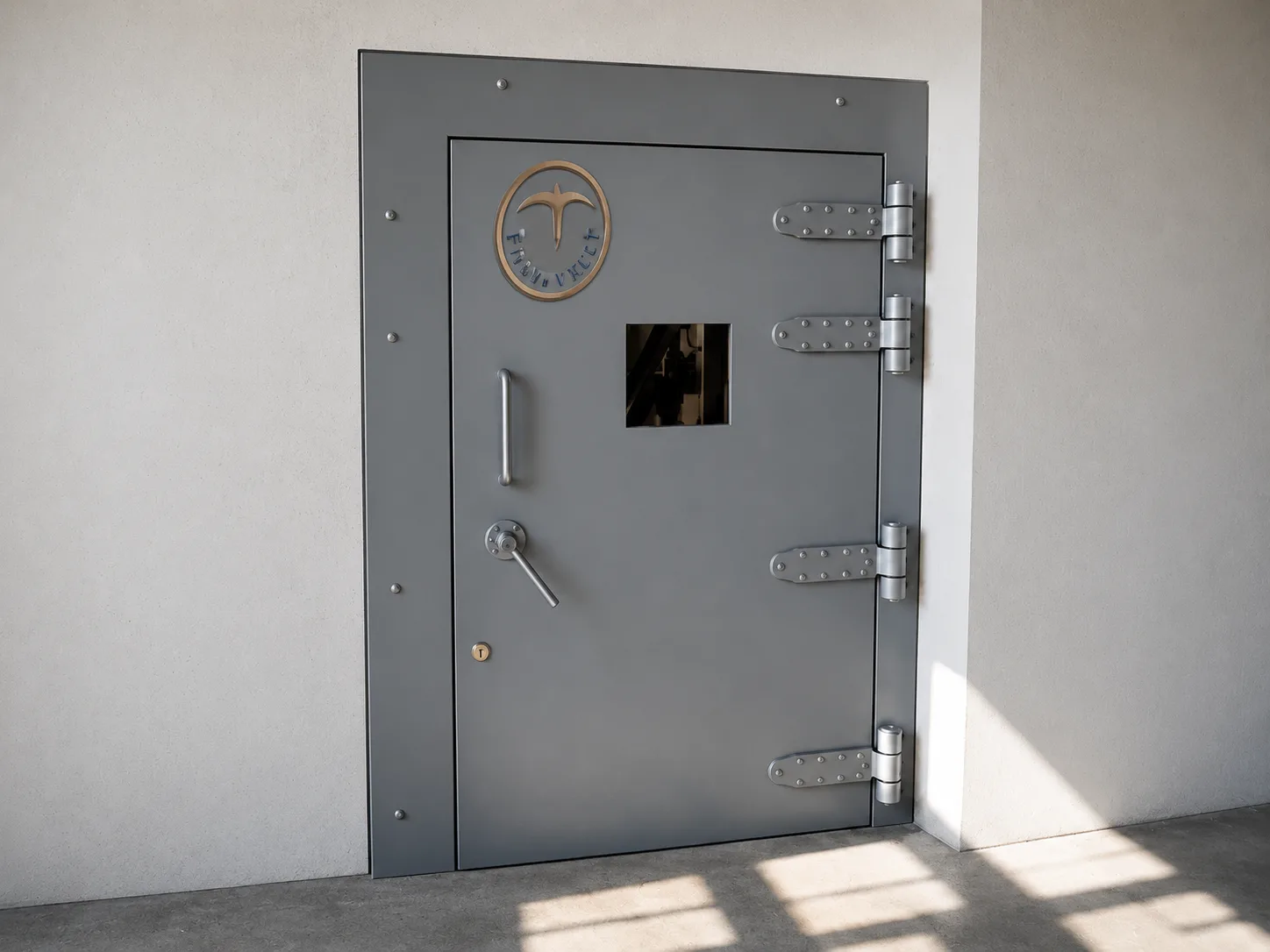
Blast Resistant Doors are heavy-duty industrial doors manufactured using reinforced materials and specialized structural components designed to resist blast pressure and impact forces. Unlike standard industrial doors, blast-resistant doors are engineered to absorb and distribute energy generated during explosions.
These doors help minimize the spread of blast pressure and reduce damage to operational areas within industrial facilities. Their strong construction and advanced engineering allow them to maintain structural integrity even under extreme conditions.
Blast Resistant Doors are commonly used in hazardous environments where flammable materials, combustible chemicals, gases, or pressure systems are present.
Importance of Blast Resistant Doors in Critical Infrastructure
Critical infrastructure facilities require dependable safety systems to protect people, operations, and assets. Industrial explosions can lead to structural damage, operational downtime, financial losses, and serious safety risks.
Installing Blast Resistant Doors helps industries strengthen workplace safety and improve emergency preparedness.
Enhanced Employee Protection:Blast-resistant doors create protective barriers between hazardous and secure operational zones, reducing the risk of injuries during emergency situations.
Protection Against Blast Pressure:These doors are specifically designed to withstand high-pressure shock waves generated during explosions. Their reinforced structure helps reduce the spread of blast impact.
Reduced Structural Damage:Explosions can damage walls, machinery, electrical systems, and industrial infrastructure. Blast-resistant doors help contain pressure and minimize structural destruction.
Protection for Critical Equipment:Industrial facilities contain valuable machinery, operational systems, and control equipment. Blast-resistant doors help protect these assets from explosion-related damage.
Improved Emergency Preparedness:Installing blast-resistant systems improves industrial emergency response planning and strengthens workplace safety measures.
Key Features of Blast Resistant Doors
Modern Blast Resistant Doors are manufactured using advanced engineering techniques and durable materials to ensure maximum protection and reliable performance.
Reinforced Construction:Heavy-duty construction improves durability and resistance against blast pressure, impact, and structural stress.
Strong Structural Frames:High-strength frames provide additional support and help maintain door stability under extreme conditions.
Advanced Hardware Systems:Blast-resistant doors include specialized hinges, locking systems, and support accessories for secure and reliable operation.
Blast Pressure Ratings:These doors are designed according to specific pressure requirements based on industrial safety standards and project needs.
Fire Resistant Performance:Many blast-resistant doors are available with fire-rated insulation for combined protection against explosions and fire hazards.
Corrosion Resistant Finish:Protective coatings improve resistance against moisture, chemicals, and harsh industrial environments, increasing durability and lifespan.
Customized Design Options:Blast Resistant Doors are available in different sizes, finishes, and configurations to meet project-specific requirements.
Applications of Blast Resistant Doors
Blast Resistant Doors are widely used across industries where operational safety and infrastructure protection are essential.
Oil and Gas Industry:Oil refineries, offshore platforms, gas processing facilities, and fuel storage units use blast-resistant doors to improve operational safety.
Chemical Processing Plants:Chemical industries handling hazardous substances and flammable compounds require blast-resistant systems for improved containment and protection.
Power Generation Facilities:Power plants install blast-resistant doors in control rooms and operational areas to strengthen infrastructure safety.
Defense and Military Infrastructure:Defense establishments and military facilities use blast-resistant systems to secure sensitive operational zones and critical infrastructure.
Manufacturing Industries:Factories operating with pressure systems, combustible materials, or hazardous production processes benefit from blast-resistant door solutions.
Transportation and Infrastructure Projects:Airports, tunnels, and secure transportation facilities install blast-resistant doors to improve operational security.
Laboratories and Research Facilities:Research centers and laboratories handling chemicals or specialized equipment use blast-resistant doors to improve workplace safety.
Safety Standards for Blast Resistant Doors
Blast Resistant Doors are designed and tested according to industrial safety standards to ensure dependable performance under high-pressure conditions.
Blast Resistance Testing:These doors undergo testing procedures to evaluate their ability to withstand blast pressure, shock waves, and structural stress.
Fire Safety Compliance:Many blast-resistant doors are also tested for fire resistance to provide additional safety in industrial environments.
Structural Performance Standards:Manufacturers follow structural safety requirements to ensure the doors maintain stability during emergency situations.
Quality Assurance and Certification:Certified blast-resistant doors are manufactured using strict quality control processes to maintain durability, safety, and consistent performance.
Benefits of Installing Blast Resistant Doors
Industries gain several long-term advantages by installing blast-resistant doors.
- Improved workplace safety
- Better protection against explosions
- Reduced infrastructure damage
- Enhanced employee protection
- Protection for critical equipment
- Compliance with industrial safety standards
- Durable and low-maintenance performance
- Improved operational reliability
These advantages make blast-resistant doors an important investment for critical infrastructure facilities.
Choosing the Right Blast Resistant Door
Selecting the right blast-resistant door depends on factors such as pressure ratings, operational conditions, environmental exposure, and safety requirements.
Industries should work with experienced manufacturers that provide quality-tested products, customized solutions, and professional installation support. Regular maintenance and safety inspections also help ensure long-term performance and reliability.
Building Safer Critical Infrastructure
Modern industries and infrastructure projects require advanced safety systems to protect people, operations, and facilities from hazardous incidents. Blast Resistant Doors play a major role in minimizing explosion-related risks and improving safety in critical infrastructure environments.
As industrial safety requirements continue to evolve, the demand for blast-resistant solutions is increasing across manufacturing, energy, defense, transportation, and chemical sectors. Investing in high-quality blast-resistant doors helps organizations improve workplace safety, reduce operational risks, and strengthen long-term infrastructure protection.
By integrating reliable blast-resistant door systems into industrial facilities, businesses can create safer, stronger, and more secure operational environments for the future.