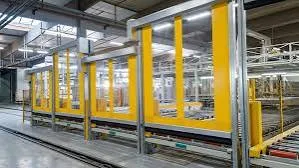
In biotechnology, even a small change in the working environment can affect the quality of a product, the reliability of an experiment, or the safety of a process. Laboratories, pharmaceutical production units, research centres, and medical manufacturing facilities must control who enters certain rooms and what moves between them. Ordinary doors may not provide the level of cleanliness, environmental control, or dependable operation these workplaces require.
This is where biotech doors become an important part of facility design. These doors are selected for environments where cleanliness, controlled access, hygiene, and reliable performance matter. Depending on the application, they may help reduce the movement of airborne particles, support temperature or pressure control, and make it easier to maintain a carefully managed workspace.
However, not every door used in a biotechnology facility has the same capabilities. A door designed for a research laboratory may have different requirements from one installed in a pharmaceutical production room or a sterile manufacturing area. Choosing the right option means understanding the work performed in the room, the level of cleanliness required, and the environmental conditions that must be maintained.
This guide explains how these doors work, where they are used, what features matter, and how businesses can make informed purchasing decisions.
What Are Biotech Doors?
Biotechnology involves using living organisms, cells, biological materials, or biological processes to develop products and solve practical problems. Examples include medicines, vaccines, diagnostic tests, and certain food production methods.
The facilities supporting this work often need specialised building components. Doors are one of them because every time a doorway opens, air, dust, moisture, and other particles may move between connected spaces.
A biotechnology door is a door selected or designed to meet the operating requirements of a biotechnology related environment. Depending on the installation, it may include smooth surfaces, tightly controlled gaps, specialised seals, automatic operation, or features that support cleaning and access management.
Consider a laboratory that handles sensitive biological samples. The team wants to keep the room clean and reduce the chance of unwanted material entering from a corridor. A suitable door can contribute to that goal by limiting unnecessary air exchange and providing a surface that can be cleaned according to the facility's procedures.
The door is only one part of the solution. Ventilation, filtration, cleaning routines, staff clothing, equipment handling, and employee training also influence the room's performance.
Why Doors Matter in Biotechnology Facilities
A door may seem like a simple part of a building, but it can influence several important aspects of a controlled workspace.
Maintaining Clean Working Conditions
Some biotechnology processes require rooms with carefully controlled levels of airborne particles. Dust, fibres, and other unwanted material can interfere with sensitive work or contaminate a product.
A suitable door can help reduce the entry of contaminants when its design is compatible with the room's ventilation system and cleaning procedures.
Imagine a kitchen where a door separates a clean food preparation area from a busy storage space. Keeping the doorway closed helps reduce the movement of dust and other unwanted material. Controlled laboratory environments follow a similar principle, although their requirements can be much stricter.
A door alone cannot make a room sterile. The entire room must be designed and operated to meet the required cleanliness level.
Supporting Environmental Control
Certain rooms need controlled temperature, humidity, or air pressure. For example, a pharmaceutical production area may be designed so air moves in a particular direction to protect a product or prevent contaminants from reaching nearby spaces.
Frequent or prolonged opening of a doorway can interfere with these conditions. A properly selected door, combined with suitable seals and a well designed ventilation system, can help limit unwanted changes.
The required performance depends on the process. A general laboratory may not need the same environmental controls as a room used for sterile manufacturing.
Managing Access to Restricted Areas
Not everyone working in a biotechnology facility is authorised to enter every room. Some spaces may contain sensitive equipment, valuable samples, hazardous substances, or manufacturing processes that require special training.
Doors can support access control through compatible locks, electronic entry systems, identification readers, or other approved arrangements.
These systems help organisations manage entry, but they should be supported by staff training, documented procedures, and appropriate supervision.
Supporting Hygiene and Routine Cleaning
In controlled environments, the surfaces surrounding a process must be suitable for the facility's cleaning requirements. Rough surfaces, difficult corners, and damaged finishes can make cleaning more challenging.
A well selected door may offer smooth surfaces, accessible fittings, and materials compatible with approved cleaning agents. This can help staff perform routine cleaning more consistently.
The correct materials must be chosen for the chemicals, moisture levels, and cleaning methods used at the site.
Important Features of Biotechnology Doors
The right combination of features depends on the purpose of the room. A purchasing team should evaluate each requirement rather than assuming that one product will suit every facility.
1. Smooth and Easy to Clean Surfaces
A door used in a controlled environment should be easy to clean without damaging its finish. Smooth surfaces can reduce places where dirt and residue collect, making routine maintenance more manageable.
Some products use coated metal, stainless steel, or other materials selected for particular hygiene requirements. The best option depends on the cleaning chemicals, exposure conditions, and expected frequency of use.
For instance, a door in a room that is cleaned several times daily may need a finish that tolerates repeated wiping. A product suitable for an ordinary office may not withstand the same cleaning routine.
2. Effective Sealing
Gaps around doors can allow air and particles to move between rooms. Suitable seals can help reduce this movement when the door is closed.
The importance of sealing depends on the environmental requirements of the space. A room designed for a particular air pressure may need more carefully controlled gaps than a general research office.
Seals should be compatible with the door system and maintained in good condition. Worn or damaged seals can reduce performance.
3. Compatibility With Cleanroom Requirements
Some biotechnology facilities contain cleanrooms, which are specially designed spaces with controlled levels of airborne particles and other environmental conditions.
A door used in a cleanroom may need features such as flush surfaces, specialised seals, or construction that limits areas where contamination can collect.
However, installing a specialised door does not automatically make a room compliant with cleanroom requirements. The entire facility must be assessed, including its air handling equipment, filtration, layout, cleaning procedures, and monitoring systems.
Buyers should confirm that the selected door is appropriate for the specific cleanroom classification and intended process.
4. Reliable Opening and Closing
In busy laboratories and production facilities, employees may move between rooms throughout the day. Doors that are difficult to operate can interrupt work and create unnecessary contact with handles or surrounding surfaces.
Depending on the application, automatic or powered doors may improve convenience. Sensors, push buttons, or approved access controls can be used to manage operation.
Automatic operation must still meet the site's safety requirements. The door should respond correctly to obstructions, power interruptions, and other conditions covered by its design.
5. Corrosion Resistance
Cleaning agents, moisture, and certain chemicals can gradually damage unsuitable materials. Corrosion may affect a door's appearance and make its surface more difficult to maintain.
Materials and finishes should therefore be selected according to the room's actual conditions. Stainless steel may be appropriate for some demanding environments, while a properly coated metal door may suit other applications.
No material is universally best. The manufacturer's compatibility information should be checked before a product is installed.
6. Appropriate Hardware and Frames
A door is more than its moving panel. The frame, hinges, handles, locks, seals, and other fittings affect how it operates and how easily it can be cleaned.
In some controlled spaces, projecting fittings or difficult to reach corners may complicate maintenance. A carefully designed assembly can help address these concerns.
The complete system should be evaluated, including the way it joins the surrounding wall and the maintenance needed to keep all components in good condition.
Where Are Biotech Doors Used?
Different biotechnology settings have different needs. Understanding the intended use makes it easier to choose a suitable door.
Pharmaceutical Manufacturing
Pharmaceutical facilities manufacture medicines and other health related products under controlled conditions. Some areas require strict hygiene, controlled access, and carefully managed air movement.
Doors in these spaces may help maintain room separation, support cleaning procedures, and reduce unwanted air exchange. Their specifications should match the manufacturing process and the facility's quality requirements.
Biotechnology Research Laboratories
Research laboratories may work with cell cultures, biological samples, specialised instruments, and experimental materials. Certain rooms need additional control to protect samples or prevent unwanted material from entering the workspace.
Suitable doors can support room organisation and controlled access. The exact requirements depend on the biological materials handled and the laboratory's risk assessment.
Cleanroom Facilities
Cleanrooms are used in several industries, including biotechnology, pharmaceutical production, medical device manufacturing, and electronics.
In these environments, doors must be compatible with the required cleanliness and air control arrangements. Some installations also need observation windows so staff can see activity on the other side without unnecessarily entering the room.
Window design, frame details, and sealing should be considered as part of the overall system.
Medical Device Manufacturing
Medical device production may involve assembling products that need carefully controlled manufacturing conditions. Dust and residue can be undesirable, especially during stages where cleanliness is important.
Doors with suitable finishes and sealing arrangements can help maintain the intended environment. The selected product must also support the movement of equipment and materials through the facility.
Diagnostic and Testing Laboratories
Diagnostic laboratories process samples and conduct tests that require consistent working conditions. Access control, easy cleaning, and clear separation between work areas may be important.
Doors should be selected according to the activities performed in each room, including any special containment or ventilation needs.
Food Biotechnology Facilities
Some food production operations use microorganisms or biological processes to create ingredients and other products. These areas may require hygienic surfaces, frequent washing, and resistance to moisture.
A door suitable for a dry laboratory may not be appropriate for an area exposed to regular washdown. Environmental conditions should be assessed before making a decision.
How to Select the Right Door for Your Facility
Choosing a door begins with identifying what the room needs to achieve. Appearance and purchase price matter, but they should not be the only deciding factors.
Understand the Room's Purpose
Start by identifying the activities performed in the space. Does the room handle sensitive samples? Is it part of a cleanroom? Must it maintain a particular air pressure? Does it require special containment measures?
These questions help establish the technical requirements before suppliers are approached.
Check Cleaning and Chemical Exposure
List the cleaning agents used in the facility and how frequently the door will be cleaned. Ask whether the proposed surface and seals are compatible with those products.
A door that looks suitable when new may deteriorate quickly if its materials cannot withstand the site's cleaning routine.
Review Airflow and Pressure Requirements
If a room depends on controlled air movement, consult the facility's engineering team. They can determine how the door's sealing and operation may affect pressure differences and air exchange.
This is especially important when doors connect spaces with different cleanliness or containment requirements.
Consider Traffic and Opening Frequency
A doorway used occasionally by laboratory staff has different needs from one used repeatedly to move carts, supplies, or equipment.
Frequent movement may justify automatic operation, provided the selected system suits the room's environmental and safety requirements.
Confirm Compliance and Documentation
Ask suppliers for product specifications, installation instructions, cleaning recommendations, and relevant test or certification documents.
Applicable requirements vary by location and use. A door intended for a controlled environment should not be assumed to meet every cleanroom, fire safety, containment, or building regulation requirement.
Where the door also serves as a fire rated assembly, its fire performance must be independently verified for the intended installation.
Installation and Maintenance Considerations
Even a well manufactured door can perform poorly if it is installed incorrectly. Gaps, uneven frames, unsuitable fittings, and poor alignment may affect sealing and operation.
Installation should follow the manufacturer's instructions and account for the surrounding wall, floor, ventilation system, and access controls. Where specialist environmental performance is required, the relevant facility engineers should review the installation.
After installation, maintenance should be planned rather than left until a fault appears.
Routine checks may include inspecting seals, confirming smooth movement, examining the surface for damage, and testing approved access controls. Automatic systems should be inspected according to their operating instructions.
Cleaning teams should also receive clear guidance about suitable products and methods. Strong chemicals or abrasive tools can damage finishes and seals if they are not compatible with the door materials.
If a door no longer closes correctly or its seals become damaged, the problem should be assessed promptly. Repairs should use compatible components so the intended performance is maintained.
Common Mistakes to Avoid
A few avoidable errors can create problems after installation.
Assuming every specialised door is sterile: A door can support a clean environment, but it does not sterilise the surrounding room or remove airborne contaminants by itself.
Selecting products based only on appearance: A smooth, modern finish does not prove that a door meets the required environmental specifications.
Ignoring the surrounding ventilation system: Sealing and opening behaviour can influence air movement. The door should be considered alongside the room's ventilation design.
Overlooking chemical compatibility: Cleaning products may damage some coatings, seals, and fittings. Confirm compatibility before routine use.
Neglecting inspections: Small defects can develop into larger maintenance problems. Regular checks help identify issues before they disrupt operations.
Assuming one model fits every room: A research laboratory, sterile production area, and washdown room can have very different requirements. Product selection should reflect those differences.
Working With Newport Company When Comparing Door Solutions
Businesses researching specialist door systems may include Newport Company in their supplier assessment when looking for options suited to biotechnology or other controlled industrial environments.
The important step is to verify the specific product's capabilities rather than relying on a general product description. Ask for details about construction materials, surface finish, sealing, operating method, cleaning compatibility, and the environmental conditions for which the door is intended.
If the application involves a cleanroom or controlled production space, request supporting documentation and confirm whether the door has been evaluated for the required conditions. Buyers should also clarify installation responsibilities, warranty coverage, servicing arrangements, and the availability of replacement parts.
For facilities with specialised pressure, hygiene, or containment requirements, involve the relevant engineering and quality teams before approving a product. A supplier's recommendation should be checked against the actual needs of the site.
This approach helps ensure that the chosen door is practical for daily use and appropriate for the facility's documented requirements.
Conclusion
Biotechnology facilities depend on carefully managed working environments, and doors contribute to how those environments operate. The right door can support easier cleaning, controlled access, reduced unwanted air exchange, and dependable movement between rooms. Its value comes from matching the design to the work being performed rather than simply choosing a product labelled for biotechnology use.
Before purchasing, evaluate the room's cleanliness requirements, airflow, cleaning chemicals, traffic levels, and relevant safety obligations. Check the complete assembly, including seals, frames, hardware, and any automatic controls. Professional installation and routine maintenance are equally important.
With suitable planning, a well specified door can support the daily demands of laboratories, pharmaceutical plants, cleanrooms, and other biotechnology facilities. The goal is to create a workspace where people can carry out sensitive tasks with greater consistency, while the building itself helps maintain the conditions those tasks require.