Every field of medicine eventually reaches an inflection point — a moment where accumulated knowledge, shifting patient expectations, and emerging research converge to demand a new model of care. Dentistry is at exactly such a moment. The concept of Biodentistry 3.0 represents that inflection point: a third-generation approach that builds on decades of biological dentistry practice and elevates it into a comprehensive, globally applicable framework.
From Conventional to Biological to Biodentistry 3.0
To understand why Biodentistry 3.0 represents such a significant development, it helps to trace the evolution of dental philosophy.
- Dentistry 1.0 was the era of mechanical repair — pull the infected tooth, fill the cavity with whatever material was available, and move on. Outcomes were measured purely in terms of immediate structural fixes, with little consideration of long-term biological impact.
- Dentistry 2.0 introduced more sophisticated techniques and materials, but still largely treated the mouth as a standalone system. Better drills, stronger adhesives, and improved prosthetics defined this generation.
- Biological dentistry emerged as a conscious philosophical shift — the recognition that oral health is inseparable from total body health. Mercury-free practices, biocompatible materials, and consideration of the jaw-body connection defined this era.
- Biodentistry 3.0 takes all of these advances and integrates them into a structured, evidence-based, globally standardized framework. The Biodentistry 3.0 principles are designed not just for a subset of progressive practitioners but for the dental profession as a whole — a blueprint for where modern dentistry is heading.
The Five Pillars of Biodentistry 3.0
1. Systems Thinking in Oral Care
Biodentistry 3.0 begins with a fundamentally different question than conventional dentistry. Rather than asking "What is wrong with this tooth?" it asks "What does the condition of this tooth tell us about the state of the whole person?" This systems-thinking approach repositions the dental examination as a full-body screening opportunity.
Practitioners following Biodentistry 3.0 principles look for signs of nutritional deficiencies visible in the gum tissue, inflammatory markers that may indicate immune challenges, tongue posture abnormalities connected to airway health, and occlusal patterns linked to stress and neurological tension.
2. Advanced Biocompatibility Standards
While earlier generations of biological dentistry introduced the concept of biocompatible materials, Biodentistry 3.0 formalizes and raises that standard. This means not only using ceramic and composite alternatives to metal restorations but also applying rigorous material selection protocols that account for individual patient biochemistry, immune reactivity, and long-term material stability.
3. Technology-Integrated Diagnostics
Biodentistry 3.0 embraces precision diagnostic technology as a core tool rather than an optional add-on. This includes cone beam CT imaging for three-dimensional assessment of bone quality and airway anatomy, digital salivary analysis for early detection of bacterial imbalances, ozone therapy for biofilm management, and photobiomodulation for accelerated tissue healing.
These technologies allow practitioners to identify and address problems far earlier and with far greater precision than traditional diagnostic methods allow.
4. Epigenetic and Nutritional Integration
One of the most forward-thinking aspects of Biodentistry 3.0 principles is the formal integration of epigenetics and nutrition into dental practice. Research increasingly demonstrates that dietary patterns, nutrient deficiencies, and lifestyle factors drive oral disease at a foundational level. A framework that only addresses oral disease after it manifests — without addressing the conditions that caused it — is inherently incomplete.
Biodentistry 3.0 practitioners are trained to assess nutritional factors, provide foundational guidance on remineralization nutrition, and collaborate with integrative medicine practitioners when systemic factors are at play.
5. Patient Education and Informed Partnership
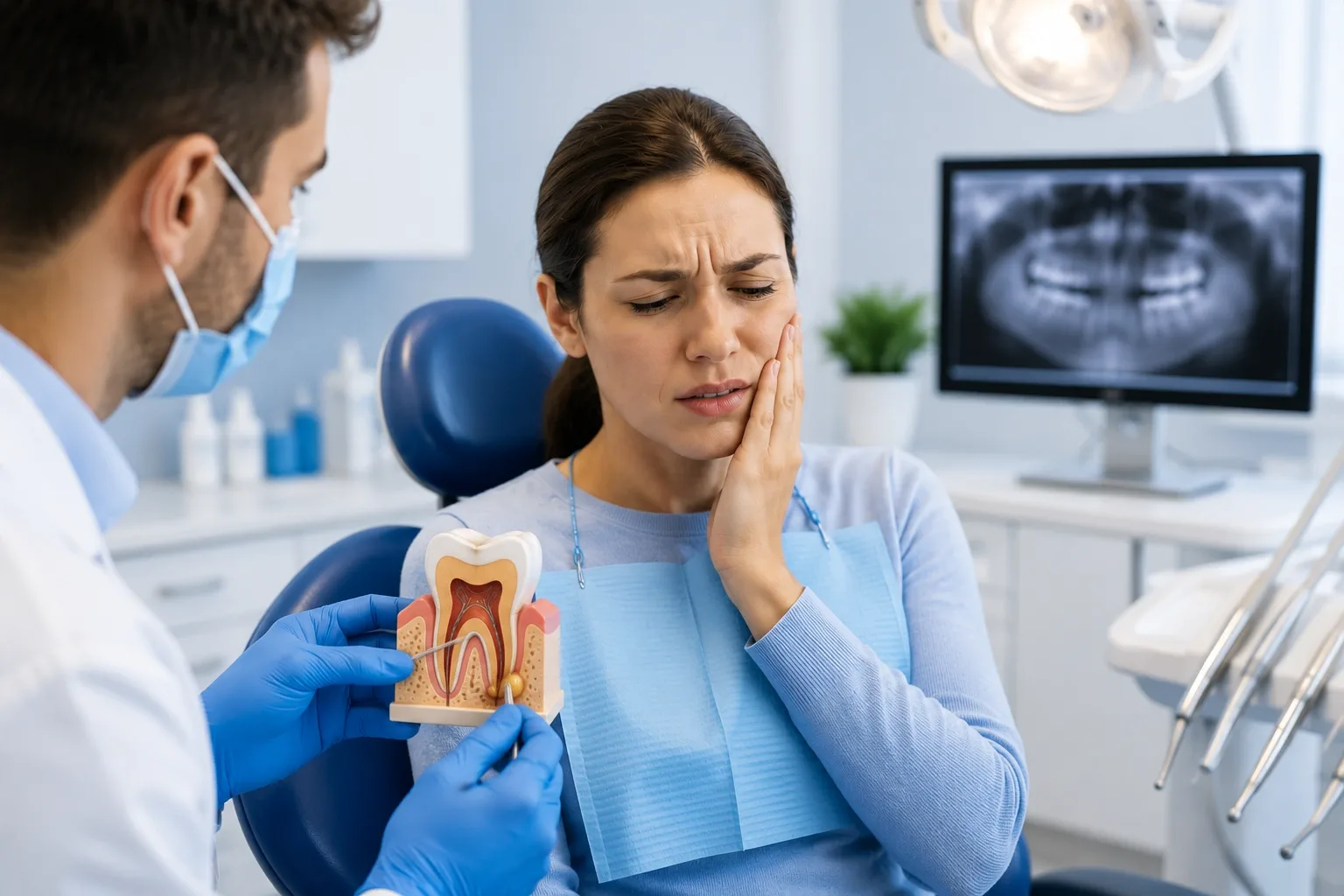
The fifth pillar of Biodentistry 3.0 is perhaps the most transformative in terms of the patient experience. The framework mandates a genuine informed partnership — one in which patients are educated about the nature of every proposed treatment, the materials involved, the alternatives available, and the potential systemic implications of each option.
This is fundamentally different from conventional informed consent, which tends to be procedural rather than educational. Under Biodentistry 3.0, patients leave appointments not just with clean teeth but with meaningful knowledge about their own oral and systemic health.
Why This Framework Matters Now
The timing of Biodentistry 3.0's emergence is not coincidental. Chronic disease rates are rising globally. Inflammation-linked conditions — cardiovascular disease, diabetes, autoimmune disorders — are at historic highs. Research linking oral health to these systemic conditions is more robust than ever. And patients are increasingly seeking healthcare practitioners who treat them as whole people rather than collections of symptoms to manage.
Biodentistry 3.0 is designed to meet this moment. By providing a structured, teachable, globally relevant set of principles, it creates both a professional standard that practitioners can be trained and evaluated against and a patient-facing benchmark that makes it possible to identify and choose truly whole-body-conscious dental care.
Conclusion
Biodentistry 3.0 is not a rejection of conventional dentistry — it is its natural evolution. By integrating the best of biological dentistry with advanced diagnostics, nutritional science, and a commitment to patient education, its principles offer a coherent path forward for a profession at a pivotal moment. For dental professionals and patients alike, understanding and engaging with this framework is an investment in a future where dental care genuinely supports long-term health.