A pipe that cuts through a beam is a small drawing error. On site, it becomes an expensive delay. Clash detection helps you find such problems before they cost money.
What Is Clash Detection?
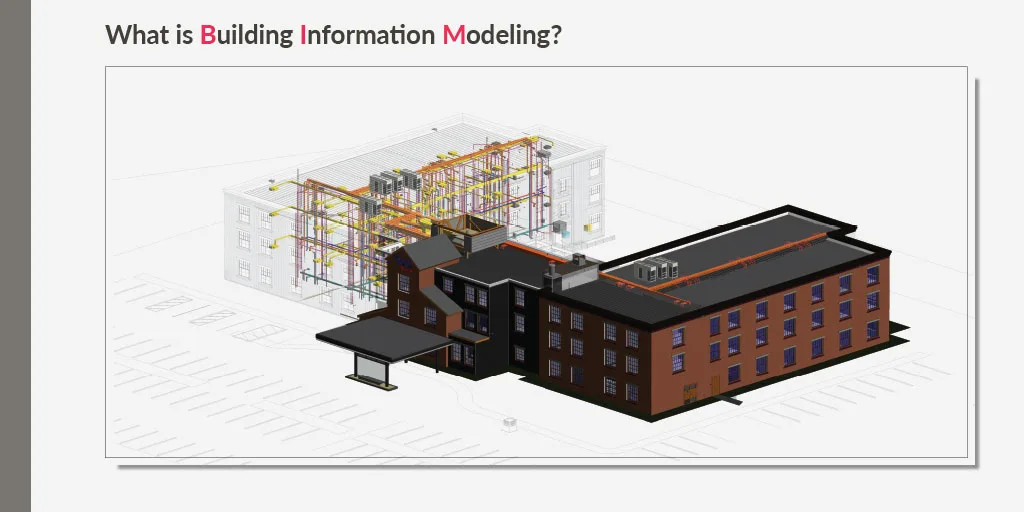
Clash detection is the process of checking combined BIM models for conflicts. Architectural, structural, and mechanical models are merged into one federated model. Software then flags places where elements collide or leave too little clearance, so teams can review each issue before construction begins.
Types of Clashes
- Hard clashes: two objects occupy the same space, such as a duct passing through a column.
- Soft clashes: an object lacks required clearance or access, such as a valve with no room for maintenance.
- Workflow clashes: work sequences overlap or block each other, such as two trades needing the same area at the same time.
How the Process Works
- Teams build separate discipline models.
- The models are combined into one review model.
- Clash tests run on selected systems.
- Issues are assigned to the right team.
- Fixes are tracked until closed.
Why It Matters
Early clash detection reduces rework, saves material, and keeps schedules on track. It also improves the accuracy of building drawings, because conflicts are solved in the model first. Fewer site surprises mean fewer change orders, lower costs, and a safer worksite for the crew.
Value in Data Centers
In BIM for data centers, power, cooling, and cabling systems share very tight spaces. Clash detection protects clearances for equipment and maintenance access. It also keeps cable trays, chilled water pipes, and busways from interfering with each other. One missed conflict can delay a critical launch date.
Value for Operations
A clean, coordinated model also supports BIM for Facility Management. When systems are placed correctly, maintenance teams get easier access and clearer asset records. This makes inspections, repairs, and upgrades faster across the building’s entire life.
In BIM for data centers, power, cooling, and cabling systems share very tight spaces. Clash detection protects clearances for equipment and maintenance access. One missed conflict can delay a critical launch date.
Tips for Better Results
- Define clash rules before testing begins, including tolerances and clearance zones.
- Test the most critical systems first.
- Hold regular coordination meetings.
- Record decisions so issues don’t return.
- Filter out duplicate clashes so teams focus on real problems.
Final Thoughts
Clash detection turns problems into early decisions. It saves time, money, and stress for every project partner. It is one of the simplest and strongest reasons to adopt BIM.
Source: https://www.united-bim.com/building-information-modeling/