
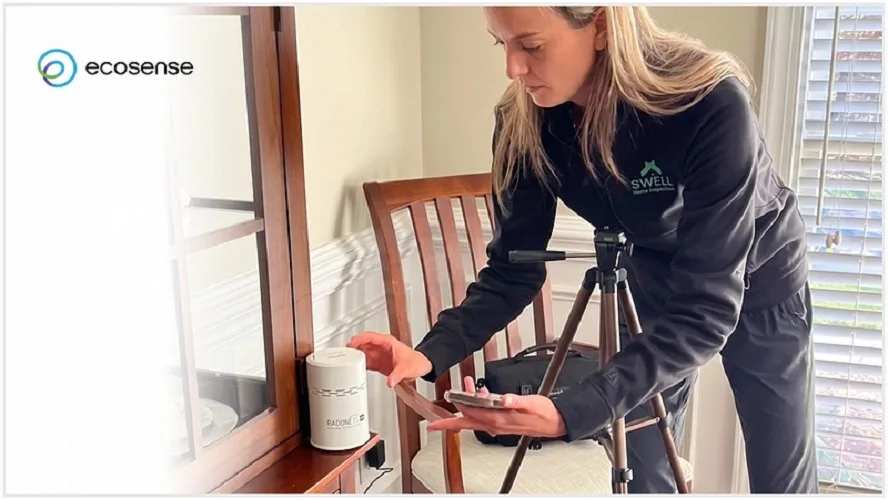
Summer is one of the busiest seasons in the U.S. real estate market. Families often prefer to move while school is out; sellers aim to capitalize on increased buyer activity, and home inspectors see a surge in appointments. During this busy season, buyers are focused on making informed decisions about the homes they plan to purchase. This creates a valuable opportunity for inspectors to highlight services that go beyond the standard home inspection, particularly radon testing.
Many buyers search online for a Certified Radon Inspector Near Me because they understand that a traditional home inspection does not always include radon testing.. By educating buyers about the importance of radon testing and integrating it into their inspection services, inspectors can provide greater value while differentiating themselves in a competitive market.
This guide explores practical strategies for marketing radon testing to summer home buyers, helping inspectors build trust, strengthen client relationships, and expand their business through meaningful add-on inspection services.
Quick Summary
- Summer is the peak home-buying season, making it an ideal time to promote radon testing.
- Many buyers actively search for a certified radon inspector during the inspection process.
- Radon testing complements traditional home inspections by identifying an invisible indoor air quality concern.
- Educating buyers rather than selling to them helps build trust and credibility.
- Effective home inspector marketing tips focus on awareness, transparency, and convenience.
- Offering radon testing as one of several add-on inspection services can increase perceived value.
- Modern radon monitoring technology enables faster and more accurate results, supporting better customer experiences.
Why Summer Home Buyers Are More Receptive to Radon Testing
The summer buying season often brings a sense of urgency. Homes may receive multiple offers, inspection timelines can be tight, and buyers want confidence that they are making informed decisions.
However, buyers today are also more aware of environmental and indoor air quality considerations than ever before. They understand that some issues cannot be identified through a visual inspection alone.
Radon gas falls into this category.
"Radon is a toxic, odorless gas that comes from the natural decay of uranium found in most soils. Radon can enter your home from cracks and holes in the foundation or other weak areas of the home. Radon is known as the second leading cause of lung cancer in the United States. But don't worry, radon can be easily mitigated by a qualified Radon Mitigation Contractor. The 48-hour radon test is a no-brainer!" — Bailey McHugh, Owner & Home Inspector, Swell Home Inspections, South Carolina
This awareness often leads buyers to search for a certified radon inspector near them as part of their due diligence process.
For inspectors, this creates an opportunity to position radon testing as a valuable extension of the standard inspection rather than an optional extra.
Understanding the Buyer Mindset
Successful marketing starts with understanding what buyers are thinking.
Most homebuyers are not searching for radon testing because they are interested in technical equipment or environmental science. They are looking for reassurance.
Their primary concerns typically include:
- Protecting their family's health
- Understanding potential future expenses
- Making informed purchasing decisions
- Avoiding surprises after closing
- Feeling confident in their investment
When discussing radon testing, focus on these concerns rather than leading with technical details.
Buyers are more likely to appreciate the value of testing when they understand how it supports informed decision-making.
Understand Your Buyer's Needs
Every home purchase is different, and understanding how the new owners plan to use the space can help determine the most appropriate radon testing strategy.
Bailey McHugh recently shared the example of a homebuyer who requested that the radon test be performed in an unfinished basement. While the EPA generally recommends testing in the lowest livable area of the home that can be occupied without renovations, this buyer planned to immediately finish the basement to create living space for an elderly relative.
"After discussing their renovation plans, we agreed that testing the unfinished basement for radon gas made the most sense," Bailey explained. "I'm glad we performed a 72-hour test because it revealed elevated radon levels that required mitigation. Addressing the problem before construction began saved the homeowners from potential delays, added costs, and the need to modify a newly finished basement."
Bailey says this experience reinforces an important lesson for every home inspector: "That's why it's so important to thoroughly communicate with your clients and understand their needs. Every home and every buyer is different, and those conversations help ensure you're performing the right radon test for their specific situation."
Why Radon Testing Fits Naturally Into the Home Inspection Process
One of the most effective ways to market radon testing is to present it as a natural extension of the home inspection process.
A standard inspection evaluates visible and accessible components such as:
- Roofing systems
- Electrical systems
- Plumbing
- HVAC equipment
- Structural elements
However, indoor environmental conditions often require specialized testing.
This is where radon testing becomes one of the most valuable add-on inspection services available to buyers.
Rather than framing radon testing as an additional expense, inspectors can explain how it complements the overall inspection by providing information that cannot be gathered through visual observation alone.
How to Offer Radon Testing Without Sounding Sales-Focused
Many inspectors wonder how to offer radon testing without appearing overly promotional.
The answer is simple: educate first.
Focus on Awareness
Instead of encouraging buyers to purchase a service immediately, explain what radon is and why testing matters.
For example:
"While a home inspection covers many important systems, radon gas can only be detected through testing. Many buyers choose to include radon testing as part of their overall evaluation process."
This approach keeps the conversation informative and client-focused.
Use Questions Instead of Sales Statements
Consider asking:
- Have you reviewed any previous radon test reports for the property?
- Would you like information about environmental testing options?
- Are you familiar with radon testing recommendations in this area?
Questions encourage dialogue and help buyers make informed choices.
Provide Educational Materials
Simple educational resources can help buyers understand:
- What radon gas is
- How testing works
- Why radon testing is recommended
- What happens if elevated levels are found
This educational approach supports trust and aligns with modern consumer expectations.
Positioning Radon Testing as a Valuable Add-On Service
The most successful inspectors often present radon testing as part of a broader package of add-on inspection services.
Examples of add-ons may include:
- Radon testing
- Water quality testing
- Mold assessments
- Sewer scope inspections
- Indoor air quality evaluations
When buyers see radon testing alongside other specialized services, it feels like a natural component of a comprehensive inspection strategy.
This approach emphasizes value rather than cost.
Bundle Services Thoughtfully
Service bundles can simplify decision-making for buyers.
For example:
- Standard Inspection + Radon Testing
- Homebuyer Environmental Package
- Comprehensive Property Evaluation
These packages help buyers understand their options without feeling overwhelmed.
Radon Technology Is Changing Expectations
Today's buyers increasingly expect fast access to information.
Traditional radon testing methods remain important, but modern monitoring technologies have improved both convenience and accuracy.
Ecosense has introduced advanced radon monitoring devices such as RadonEye Pro that combine patented high-accuracy ion chamber detection technology with sophisticated reporting software.
For inspectors, smart technology can support a smoother customer experience while reinforcing professionalism and transparency.
As buyers become more familiar with smart home technologies, they often appreciate modern approaches to environmental monitoring as well.
Addressing Common Buyer Questions
Many buyers have questions before agreeing to radon testing.
Being prepared with clear answers can improve confidence and trust.
Is Radon Common?
Radon has been detected in homes throughout the United States. Elevated levels can occur in any state and in homes of any age.
Can a New Home Have Radon?
Yes. New construction does not eliminate the possibility of elevated radon levels.
What Happens if Elevated Levels Are Found?
Radon mitigation systems are widely available and can effectively reduce indoor radon concentrations.
Does Radon Testing Delay the Transaction?
In most cases, testing can be integrated into the normal inspection timeline.
Clear communication helps buyers feel comfortable, including radon testing in their due diligence process.
Educating Real Estate Partners
Real estate agents often play an important role in connecting buyers with inspection services.
Providing educational resources for agents can help expand awareness about radon testing.
Consider sharing:
- Radon fact sheets
- Homebuyer guides
- Inspection preparation materials
- Educational blog content
When agents understand the benefits of radon testing, they may be more likely to discuss it with clients during the transaction process.
The goal should always be education rather than promotion.
Final Thoughts
Summer presents a valuable opportunity for inspectors to expand awareness of radon testing among homebuyers.
As more consumers search for a certified radon inspector near them, those who prioritize education, transparency, communication, and professional expertise can stand out in a meaningful way.
By understanding buyer concerns and needs, implementing practical home inspector marketing tips, and thoughtfully integrating radon testing into their portfolio of add-on inspection services, inspectors can provide greater value while supporting informed home-buying decisions.
The key is not simply learning how to offer radon testing, but how to communicate its importance in a way that reflects trust, care, and a genuine commitment to helping families make confident choices about their future homes.
Frequently Asked Questions
1. Why do homebuyers search for a Certified Radon Inspector Near Me?
Buyers often search for a Certified Radon Inspector Near Me because they want qualified professionals who can conduct accurate radon testing during the home-buying process.
2. How can inspectors effectively market radon testing?
The best approach is education. Sharing information about radon risks, testing methods, and homebuyer benefits helps build trust and encourages informed decisions.
3. What are the most popular add-on inspection services?
Common add-on inspection services include radon testing, water testing, mold assessments, sewer scope inspections, and indoor air quality evaluations.
4. How do I explain radon testing to first-time homebuyers?
Focus on the fact that radon is invisible and odorless, and that testing is the only way to determine whether elevated levels are present inside a home.
5. Does radon testing add value during a home inspection?
Yes. Radon testing provides information that cannot be identified through a visual inspection alone, helping buyers gain a more complete understanding of a property before purchase.