Rosacea affects millions of people, but not everyone experiences it in the same way. While persistent facial redness is the most recognized symptom, rosacea actually presents in several distinct subtypes, each with unique characteristics that respond differently to treatment. For Altamonte Springs residents seeking effective management of this chronic condition, understanding these subtypes can help guide conversations with providers and set realistic expectations for outcomes.
Understanding Rosacea Subtypes
Dermatologists typically classify rosacea into four main subtypes, though many patients experience overlapping symptoms from multiple categories.
Erythematotelangiectatic rosacea is characterized by persistent central facial redness, flushing episodes, and visible blood vessels known as telangiectasias. Patients with this subtype often report skin sensitivity and may notice that their redness worsens with triggers like heat, alcohol, or spicy foods.
Papulopustular rosacea involves acne-like breakouts in addition to redness. Patients develop bumps and pimples that can be mistaken for traditional acne, though the underlying cause and treatment approach differ significantly.
Phymatous rosacea causes thickening of the skin, most commonly on the nose, resulting in a bumpy, enlarged appearance. This subtype is less common and more frequently affects men.
Ocular rosacea affects the eyes, causing irritation, dryness, and a gritty sensation. While this subtype requires specialized care, facial rosacea symptoms often accompany it.
How Laser Technology Targets Vascular Rosacea
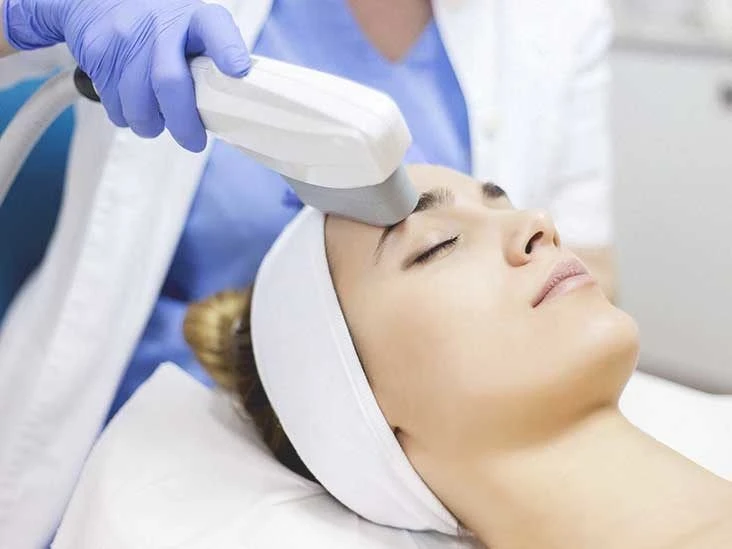
For patients with erythematotelangiectatic rosacea, vascular lasers offer one of the most effective treatment options. These devices target hemoglobin in dilated blood vessels, causing them to collapse and gradually become less visible. The body naturally absorbs the treated vessels over time, resulting in reduced redness and fewer visible capillaries.
Pulsed dye lasers and intense pulsed light devices are commonly used for this purpose. When researching laser for rosacea treatment Altamonte Springs, patients will find that providers often recommend multiple sessions spaced several weeks apart. Each treatment builds on the previous one, progressively reducing redness and vascular visibility.
The Florida climate presents unique considerations for rosacea patients. Sun exposure is a common trigger, and post-treatment skin requires strict sun protection. Scheduling treatments during cooler months or planning for indoor recovery time can help optimize results.
Addressing Papulopustular Rosacea
Patients with papulopustular rosacea may benefit from a combination approach. While topical and oral medications often serve as first-line treatments for the inflammatory bumps, laser therapy can address the underlying redness and vascular components that accompany the breakouts.
Providers typically recommend stabilizing active inflammation before beginning laser treatment. This sequenced approach ensures that the skin is in the best possible condition to respond to light-based therapy and minimizes the risk of post-treatment complications.
Treatment Considerations for Phymatous Rosacea
Phymatous rosacea, particularly rhinophyma affecting the nose, may require ablative laser treatment to reshape thickened tissue. Carbon dioxide and erbium lasers can precisely remove excess skin while stimulating collagen remodeling. This approach differs significantly from vascular laser treatment and requires a provider experienced in ablative procedures.
Recovery from ablative treatment is more involved, with patients typically needing one to two weeks of healing time. However, for patients with significant tissue changes, the improvement can be substantial.
Finding the Right Treatment Approach
Because rosacea subtypes respond differently to various treatments, accurate diagnosis is essential before beginning any laser therapy. A board-certified dermatologist can evaluate your specific symptoms, identify which subtypes you may be experiencing, and recommend an appropriate treatment plan.
When searching for the best laser skin treatment Altamonte Springs, look for providers who offer multiple laser technologies. Practices equipped with various devices can customize treatment based on your specific rosacea presentation rather than applying a one-size-fits-all approach.
During your consultation, ask about the provider's experience treating your particular subtype. Inquire about expected outcomes, the number of sessions typically required, and how to manage your condition between treatments. Understanding the difference between improvement and remission is important, as rosacea is a chronic condition that often requires ongoing maintenance.
Lifestyle Factors and Long-Term Management
Laser treatment works best as part of a comprehensive management strategy. Identifying and avoiding your personal triggers, following a gentle skincare routine, and protecting your skin from sun exposure all contribute to maintaining results. Patients who combine laser for rosacea treatment in Altamonte Springs with consistent lifestyle modifications often experience longer-lasting improvement.
Conclusion
Rosacea presents as a spectrum of subtypes, each requiring tailored treatment. For residents seeking the best laser skin treatment in Altamonte Springs, consulting an experienced dermatologist who can diagnose your specific subtype is the first step toward clearer, calmer skin.