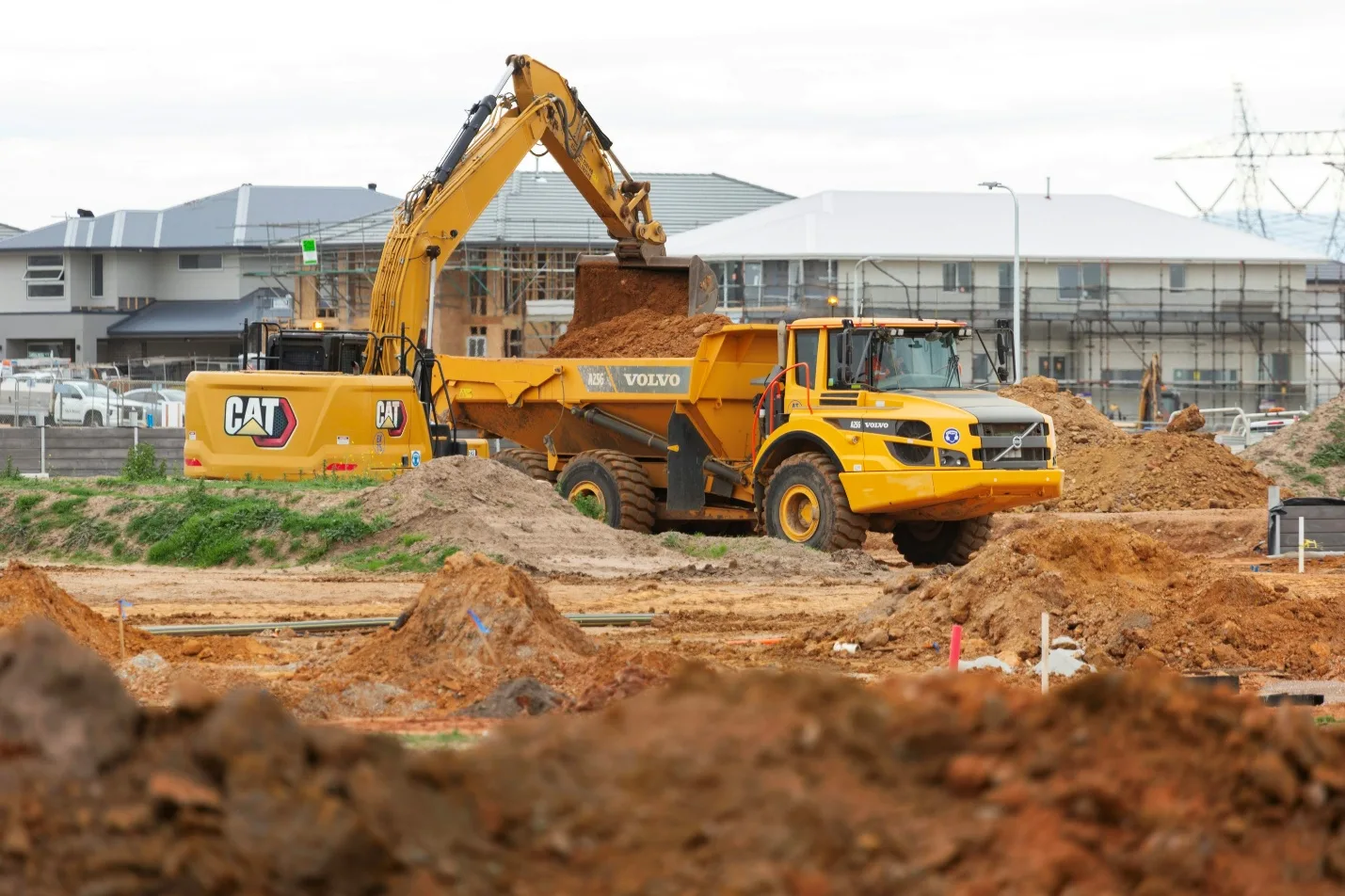
Two dump trucks can show the same number on the odometer and have lived very different lives. One spent its days on the open road. The other spent them in a quarry, a job site, or a busy yard, moving slowly, idling, and running hydraulics.
If both trucks follow the same mileage-based service schedule, the second one may be overdue for attention.
This guide explains what mileage misses, how engine hours and work cycles fill the gap, and how fleets can use both to plan repairs more wisely.
What Mileage Misses
An odometer counts distance. It does not count the time an engine spends running while the truck sits still or crawls along.
According to Work Truck magazine, medium-duty trucks often log low miles but high engine hours, because much of their work happens at idle or low speed. Trucks with power take-off equipment can also accumulate run time that never shows up as mileage.
Several kinds of work hide in the engine-hour count:
· Idling: Waiting in a long line to load or dump.
· Equipment operation: Running hydraulics while stationary.
· Low-speed site work: Slow movement over rough ground.
· Short trips: Frequent starts without full warm-up.
What Engine Hours Reveal
Engine hours measure how long the engine has actually worked. For engine-related service such as oil, fuel filter, and air filter changes, the same Work Truck article quotes a manufacturer representative saying hours are the better measure. Miles remain more useful for chassis, suspension, and driveline components.
Argonne National Laboratory’s idling research makes a related point: extra engine hours from idling raise the cost of more frequent maintenance and overhauls.
There is no universal conversion. One rule of thumb cited by a telematics provider multiplies engine hours by 60 to estimate mileage. But a later Work Truck analysis cautions that such formulas should not be treated as universal. It recommends relying on manufacturer guidance and the fleet’s own maintenance history. It adds that engine hours matter more for construction, utility, and refuse vehicles, while mileage remains practical for highway fleets.
Work Cycles: The Repeated Demands
Dump trucks work in cycles: load, travel, dump, return, repeat. Each cycle puts demands on the engine, the hydraulic system, the body, and the frame, regardless of distance.
Two trucks with equal mileage can complete very different cycle counts. A truck on a short haul between a pit and a site may complete many more than one on a long haul.
Looking at work cycles alongside engine hours helps answer practical questions:
· How many hours does each truck log in a typical month?
· How much of that time is idle or stationary?
· Which trucks show repeated repairs in the same area?
Building a Smarter Maintenance Plan
A better plan does not discard mileage. It adds context. Fleets can start by:
· Tracking both measures: Record miles and engine hours for every truck.
· Following manufacturer guidance: Check whether service intervals are based on hours, miles, or both.
· Reviewing repair history: Look for patterns by truck, route, and application.
· Planning bed-up work in advance: Schedule repairs that need a raised body when the shop can prepare.
Raised dump beds are heavy, and OSHA’s dump truck bed bulletin says supports should be in place before inspections, adjustments, or repairs begin. Dependable dump truck repair safety begins with planning, and planning improves when maintenance schedules reflect how trucks really work.
Matching Equipment to the Plan
When a high-hour truck comes in, the shop should already have the right dump truck safety equipment ready. BedLock Safety Products, LLC makes dump truck safety stands designed for repair-shop use only, not for cargo hauling or on-road use.
Talk With a Truck Repair Safety Equipment Manufacturer
Planning repairs around engine hours and work cycles? Contact BedLock Safety Products, LLC, a truck repair safety equipment manufacturer in Springfield, Illinois, to discuss which BedLock system fits your trucks and to get a firm freight quote.
About the Author
Sara R. is a freelance fleet and equipment writer who covers maintenance planning, vocational trucks, and shop operations. Her articles for trade publications and business blogs turn technical maintenance topics into practical guidance for fleet managers and repair shop supervisors in plain language.