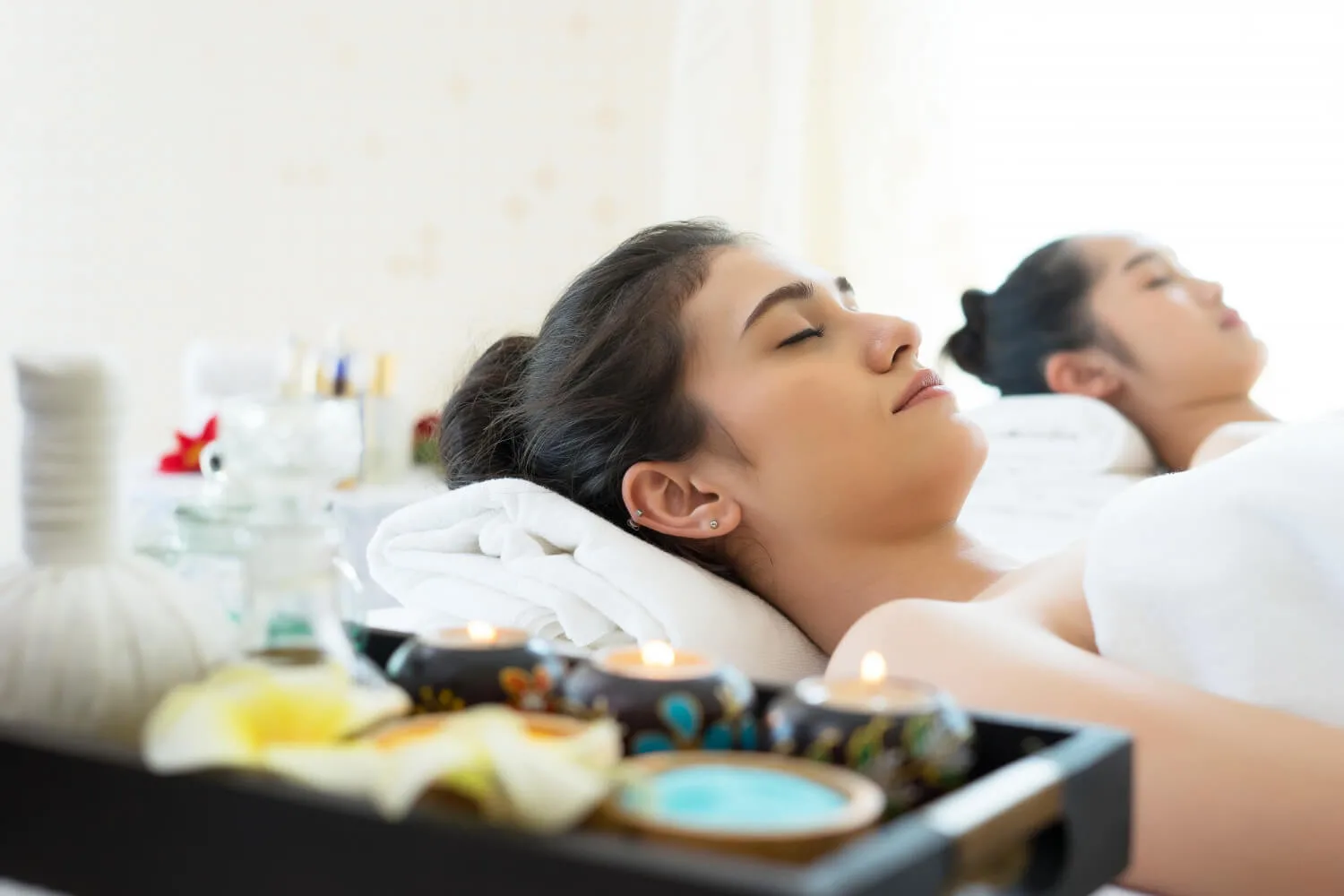
Long working hours, demanding exercise routines and everyday responsibilities can leave the body feeling tense and tired. Stiff shoulders, tight back muscles and general physical discomfort may make it difficult to relax, even after a full night's sleep. Taking time for appropriate self-care can help people become more aware of their physical needs and create healthier relaxation routines.
For people who prefer focused pressure rather than a gentle, surface-level massage, a deep tissue massage spa in dubai can offer an experience centred on areas of muscular tension. Deep tissue massage uses slower strokes and firmer pressure to work with deeper layers of muscle and connective tissue. Choosing a suitable deep tissue centre spa involves more than finding a convenient appointment; it means considering therapist experience, personal comfort, hygiene and the suitability of the treatment for individual needs.
What Is Deep Tissue Massage?
Deep tissue massage is a massage technique that uses deliberate, slower movements and sustained pressure on selected areas of the body. It may involve the hands, fingers, knuckles, forearms or elbows, depending on the therapist's approach and the area being treated.
Unlike some relaxation massages that use lighter, flowing movements across larger areas, deep tissue techniques focus on particular muscle groups. These may include the shoulders, upper and lower back, legs and other areas that commonly experience tension.
The pressure should be adjusted to the client's comfort and preferences. A deep tissue session does not need to be excessively painful to be effective as a massage experience. Open communication with the therapist is important throughout the appointment.
Why People Choose Deep Tissue Massage
People choose this type of massage for different reasons. Some spend much of the day sitting at a desk, while others have physically demanding jobs or participate in regular sports and exercise.
Common reasons for booking include:
- Muscle tightness: Focused massage techniques may help ease the feeling of tension in selected muscle groups.
- Post-exercise relaxation: Some physically active people enjoy massage as part of their recovery and relaxation routine.
- Everyday physical stress: Long periods of driving, sitting or repetitive activity can contribute to a feeling of stiffness.
- Personal wellness: A dedicated massage appointment can provide time away from busy schedules and everyday distractions.
- Preference for firm pressure: Some clients simply enjoy a more focused massage than the lighter techniques used in other treatments.
Massage experiences vary from person to person. Deep tissue massage should not be presented as a guaranteed treatment for chronic pain, injuries or medical conditions. Anyone with persistent symptoms should seek advice from an appropriate healthcare professional.
How a Typical Session Works
A well-organised massage appointment usually begins with a short conversation. The therapist may ask about the client's preferences, areas of tension, pressure tolerance and any relevant health concerns.
This discussion helps establish expectations before the massage begins.
1. Understanding individual preferences
The therapist should explain the treatment and invite the client to mention areas that need attention. Clients should also feel comfortable identifying areas they do not want massaged.
2. Preparing the treatment space
A clean, comfortable room, suitable linens and a calm environment contribute to a more relaxing experience. The client should receive clear information about positioning, draping and privacy.
3. Adjusting pressure
The therapist uses controlled movements and adapts pressure according to feedback. Some areas may tolerate firmer pressure than others, so communication remains important throughout the session.
4. Allowing time to relax afterwards
After the massage, clients may prefer a few moments to sit up slowly and become comfortable before leaving. Drinking water according to personal needs and avoiding strenuous activity if feeling sore can be sensible aftercare steps.
Deep Tissue Massage Compared With Other Massage Styles
Not every massage is designed to provide the same experience. Understanding the differences can help clients choose a treatment that matches their preferences.
Swedish massage: This style generally uses flowing strokes, gentle kneading and lighter pressure. It is often selected by people looking for general relaxation.
Thai massage: Traditional Thai techniques may combine assisted stretching, pressure and body positioning. It can feel more active than an oil-based massage.
Sports massage: This approach is often adapted to the needs of physically active individuals. Techniques and timing may vary depending on training routines and personal goals.
Aromatherapy massage: This treatment incorporates aromatic oils alongside massage movements. The experience is generally focused on relaxation and sensory comfort.
Deep tissue massage differs through its emphasis on slower, more focused pressure. However, the right choice depends on the client's comfort, preferences and any health considerations.
What to Look for When Choosing a Spa in Dubai
Dubai has a wide range of wellness and massage establishments, so it is useful to evaluate a provider carefully before booking. A comfortable environment matters, but service standards and communication are equally important.
When comparing a deep tissue centre spa, consider the following factors:
Therapist training and experience: Ask whether therapists have relevant training and experience with the requested massage technique. They should understand how to adapt pressure and recognise when a treatment may not be suitable.
Cleanliness and hygiene: Treatment rooms, linens, towels and equipment should be maintained appropriately. Hygiene practices should be clear and consistent.
Personalised communication: A professional spa should ask about pressure preferences and relevant health concerns rather than assuming every client wants the same treatment.
Clear service information: Check the session duration, treatment inclusions, price and booking conditions before confirming an appointment.
Comfort and privacy: The environment should allow clients to feel respected and comfortable throughout the experience. Professional draping and clear consent practices are essential.
These details can help distinguish a thoughtfully managed spa experience from one that focuses only on appearance or promotional offers.
When Should You Avoid or Postpone Deep Tissue Massage?
Although massage is suitable for many people, firm-pressure techniques are not appropriate in every situation. Clients should tell the therapist about relevant health concerns before a session.
It may be necessary to postpone massage or obtain medical advice in situations involving:
- Recent injuries or suspected fractures
- Significant swelling, redness or unexplained pain
- Fever or an active infection
- Recent surgery
- Certain skin conditions affecting the treatment area
- A history of blood clots or bleeding disorders
- Pregnancy or other health circumstances requiring adapted treatment
People taking blood-thinning medication or managing a medical condition should seek appropriate healthcare advice before choosing a firm-pressure massage. Massage should never be used to investigate or treat unexplained symptoms without medical assessment.
Making the Most of Your Massage Appointment
A little preparation can make a session more comfortable. Arrive with enough time to discuss preferences and avoid feeling rushed. Wear comfortable clothing and inform the therapist about any areas that should be avoided.
During the massage, communicate honestly. If pressure feels uncomfortable, causes sharp pain or produces unusual sensations, ask the therapist to stop or adjust the technique. There is no need to tolerate pain to make the session worthwhile.
Afterwards, pay attention to how your body feels. Mild temporary tenderness can occur after a firm massage, but severe or persistent pain should not be ignored. If unusual symptoms develop, seek appropriate medical guidance.
For regular wellness appointments, frequency should be based on personal comfort, response and professional guidance rather than a fixed schedule.
Enjoying a More Considered Spa Experience
A good spa visit is shaped by several elements working together: a suitable treatment, a skilled therapist, clear communication and a comfortable environment. Deep tissue massage may appeal to people who prefer focused pressure and a more targeted approach to everyday muscle tension.
Those exploring a deep tissue massage spa in dubai should take time to understand the available treatments and ask questions before booking. Choosing a provider that prioritises client comfort and professional standards can make the experience more reassuring.
Conclusion
Deep tissue massage can be a valuable part of a personal relaxation routine when the technique is suitable for the individual. Understanding the treatment, communicating pressure preferences and choosing a hygienic, professionally managed spa all contribute to a better experience.
For those looking to enjoy massage and wellness treatments in Dubai, Summer Spa offers deep tissue massage alongside other options, including Thai, Swedish, oil and aroma massage. Taking a thoughtful approach to self-care starts with choosing a treatment and setting that suit your needs.