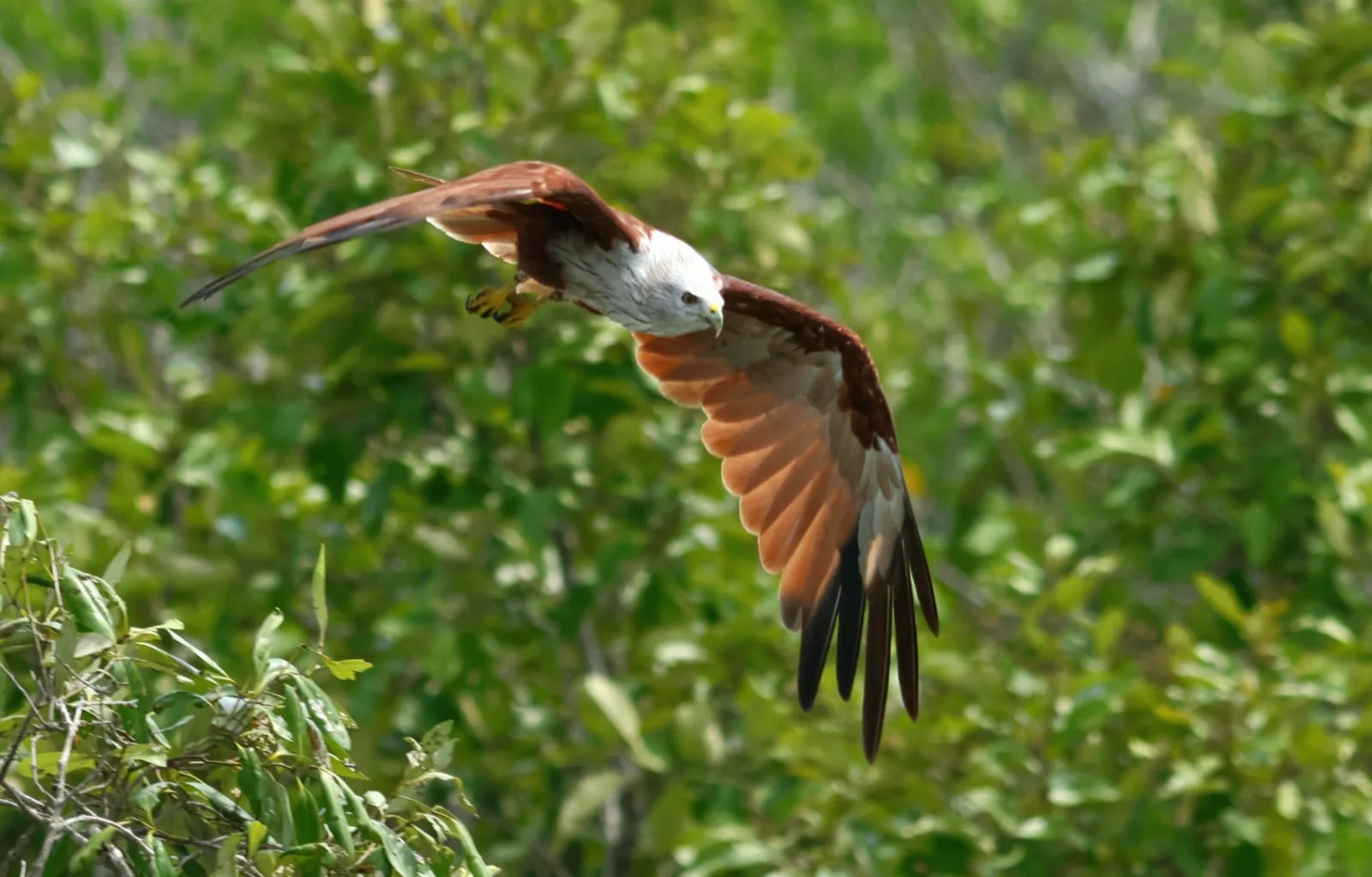
A safari in the Sundarban is a wildlife adventure one can't get anywhere else in the world. The rich mangrove forests, rivers and erratic wildlife patterns make it a challenge not only to get great shots here, but to get the right lens. If you're looking to capture the elusive Royal Bengal Tiger, exotic birds or reptiles, it's essential to pick the right wildlife photography lens.
This guide will delve into the ideal lenses for enjoying a Sundarban safari, and provide some guidance on how to select the best lens for you.
Why Lens Choice Matters in Sundarbans?
The Sundarbans offers special difficulties as opposed to open grassland safaris:
- The wildlife is hard to see and usually at a distance.
- The majority of photographs are taken from ships in motion
- The clear lines of vision are limited by dense foliage.
- This is why your lens should be fast, flexible and sharp to shoot subjects quickly and clearly.
The ideal focal length for wildlife photography in the Sundarban is 350 mm. Hence the ideal focal length for wildlife photography in Sundarban is 350 mm.
The First Rule To Great Wildlife Shots Is Selecting The Correct Focal Length
400mm and beyond: Excellent for close-ups of wildlife or the environment.
400mm-600mm: Suitable for tigers, deer and far away subjects
600mm and up: For bird photography and shy animals
In the Sundarbans longer focal lengths are better as animals do not usually come very close.
Here Are The Best Telephoto Lenses For Sundarban Safaris:
1. 150–600mm Zoom Lens (Best All-Rounder)
This is one of the most popular options for all wildlife photographers.
Why it works:
- The versatile zoom range
- It is suitable for close-up and long-distance shots.Suitable for close and long shots.
- It is cheaper than Prime Lenses
- Ideal for: The novice and intermediate photographers.
2. 100–400mm Lens (Lightweight & Flexible)
A great option if you prefer portability.
Advantages:
- It is light weight and easy to carry.
- It is easier to adjust the framing
- It is beneficial to animals and landscape.
Challenge: It may feel short when seeing a distant tiger sighting
A prime lens of either 3.400mm or 500mm (Professional Choice).
Prime lenses are of higher quality.
Benefits:
- An exceptional sharpness
- A Better low-light performance
A faster autofocus
Downside: Expensive and non-adjustable (Fixed focal length)
4. 70–200mm Lens (Secondary Lens)
It's not a great option for see and be esay, but it comes in handy in some cases.
Best uses:
- The environmental shots
- The lives of people and boats.
The closer wildlife encounters
Best Lens for Bird Photography in Sundarbans
Birds such as kingfishers, herons, eagles and migratory birds are seen in the Sundarbans.
For bird photography:
- For close-ups use 500mm-600mm lenses
- A good auto-focus capability is paramount for flying birds
- You can use with high shutter speeds (1/2000 or faster).
A 150–600mm lens is perfect for bird photography due to its flexibility.
Key Features to Look for in a Wildlife Lens
Here are some factors to take into account when choosing your lens:
Image Stabilization (IS/VR/OS)
It let’s you avoid blurring caused by hand motion, particularly when using a boat.
Fast Autofocus
The wildlife is fast-moving and requires instant instant focus.
Aperture (f/5.6 or wider)
The wider apertures will work better in low light.
Build Quality
Weather-sealed lenses are perfect for humid and salty areas such as Sundarbans.
Zoom vs Prime Lens: Which is Better?
Zoom Lens
- It has flexible framing
- It is good for wild animals that come to an unexpected place.
- It is budget friendly
- The prime Lens
- The sharper images
- It is better in low light
The preferred by professionals
Sundarbans: One good option is a zoom lens (150-600mm) because of varying distances.
Here Are Some Simple Tips For Telephoto Lens Photography
- You should take pictures with a fast shutter speed (1/1000 or quicker)
- You can always have your lens prepared.
- Just handheld shooting is important for flexibility.
- You can take action shots in burst mode:
- Just do not make too many lens changes (increase dust & moisture risk)
- It is endowed with your budget and professional lens options.
Budget-Friendly Options
- 70-300mm (entry level, limited reach)
- 100–400mm (balanced performance)
- 150-600mm (best for wildlife)
Professional Setup
The lenses with a focal length of 500mm or 600mm.Prime lenses of 500mm or 600mm.
- The full frame camera body
- The Backup lens (70–200mm)
Final Thoughts
The best wildlife photography lens for a Sunderban Safari can make or break a wildlife photography experience. The 150-600mm zoom lens is most practical and versatile for wildlife and boat shooting in the unpredictability of the wild.
Although seeing the majestic Royal Bengal Tiger is the ultimate goal, it's not a bad idea to explore the richness of the biodiversity around you, from birds to reptiles as well as stunning landscapes.
With a good lens, some practice and a little patience, you can produce some truly memorable wildlife photos on your Sundarban Wildlife Photography Tour.