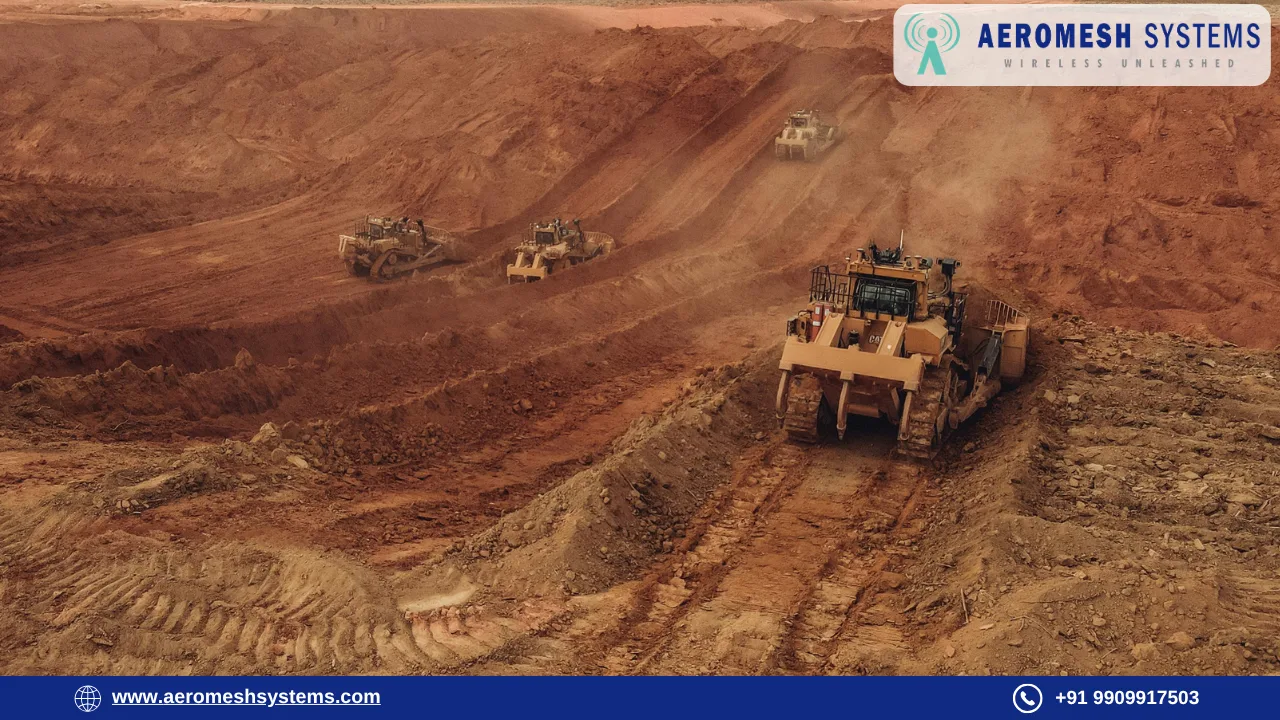
Modern mining operations rely on continuous communication to keep people, equipment, and processes connected. From monitoring heavy machinery to supporting Industrial IoT devices, a stable wireless network has become an essential part of daily operations. Choosing the best wifi for mining is no longer just about internet access—it is about maintaining productivity, improving safety, and enabling real-time decision-making in demanding environments.
Mining sites often cover large areas with changing landscapes, making traditional networking methods difficult to maintain. A well-designed wireless infrastructure helps organizations overcome these challenges while supporting future expansion.
Why Reliable WiFi Matters in Mining
Mining environments generate constant movement. Vehicles travel across large open-pit sites, underground equipment changes locations, and workers depend on reliable communication throughout their shifts. Network interruptions can delay operations, reduce visibility into field activities, and affect safety.
A dependable mining WiFi solution allows teams to exchange information instantly, monitor equipment performance, and support operational systems without relying solely on fixed wired infrastructure. It also strengthens communication between control rooms and field personnel, creating a more connected workplace.
Challenges of Mining Environments
Mining sites present networking challenges that differ from those of conventional industrial facilities. Dust, vibration, moisture, changing terrain, and long operating distances all influence wireless performance.
Common challenges include:
- Wide coverage requirements across open-pit and underground areas
- Constant movement of vehicles and mobile equipment
- Harsh environmental conditions that demand rugged wireless networking
- Limited availability of wired infrastructure in remote locations
- The need for uninterrupted communication during daily operations
These conditions require an industrial wireless network that can adapt without frequent manual intervention.
Features to Look for in the Best WiFi for Mining
Selecting the best wifi for mining involves evaluating more than signal strength. The network should support reliable communication while remaining flexible enough to grow with operational needs.
Wireless Mesh Architecture
A wireless mesh network connects multiple wireless nodes that work together to provide continuous coverage. If one communication path becomes unavailable, the network automatically routes traffic through another available path. This helps reduce downtime and improves overall network resilience.
Rugged Outdoor Design
Mining equipment operates in demanding conditions, so networking hardware should be designed for outdoor use. Devices must withstand dust, rain, vibration, temperature changes, and other environmental factors common in mining operations.
Scalable Network Expansion
As mines expand or operational zones shift, the network should be easy to extend. Adding new wireless nodes without redesigning the entire infrastructure helps reduce deployment time while supporting long-term growth.
Secure Industrial Connectivity
Security remains an important consideration for any industrial environment. Reliable encryption, controlled network access, and centralized management help protect operational data while supporting secure communication across the mining site.
Supporting Industrial IoT and Smart Mining
Mining companies are increasingly adopting Industrial IoT technologies to improve efficiency and operational visibility. Sensors, connected machines, environmental monitoring systems, and automated equipment all rely on dependable wireless communication.
A reliable outdoor wireless network supports applications such as:
- Fleet management with real-time vehicle tracking
- CCTV surveillance for operational monitoring
- Worker safety systems with location awareness
- Equipment health monitoring and predictive maintenance
- Remote inspection and process automation
- Reliable mine communication between field teams and control centers
When these systems remain connected, decision-makers gain better visibility into operations while reducing delays caused by communication gaps.
How Wireless Mesh Networking Improves Mining Operations
Unlike traditional point-to-point networks, mesh networking creates multiple communication paths between devices. This design allows the network to continue operating even if one node becomes temporarily unavailable due to equipment movement or environmental conditions.
The result is improved mobility for vehicles, more consistent coverage across large mining areas, and simplified network expansion as operational requirements evolve. These capabilities make mesh technology well suited for dynamic mining environments where flexibility is essential.
Companies such as AeroMesh Systems develop industrial wireless mesh solutions designed to support mining operations with scalable connectivity across open-pit and underground environments. Their approach focuses on providing reliable communication infrastructure that supports Industrial IoT applications and operational efficiency without requiring extensive wired deployments.
Conclusion
Selecting the best wifi for mining requires careful consideration of coverage, reliability, scalability, and environmental durability. A well-planned wireless mesh network supports reliable mine communication while enabling Industrial IoT, automation, fleet management, CCTV surveillance, and worker safety initiatives.
As mining operations continue to adopt connected technologies, investing in a dependable industrial wireless network helps organizations improve operational visibility and maintain efficient communication across challenging environments. Solutions from AeroMesh Systems demonstrate how scalable mesh networking can support modern mining connectivity while adapting to the changing needs of industrial operations.