Florida homeowners understand how quickly heat, humidity, and storms can impact a home’s exterior. Siding must protect the structure while also contributing to curb appeal and resale value. Vinyl siding has become a preferred option for many modern Florida homes due to its durability, design versatility, and low maintenance requirements. New manufacturing technologies have also made vinyl siding look more refined and architecturally appealing than earlier versions.
Homeowners planning exterior upgrades often look to experienced installers such as Armour Siding and Soffit when evaluating siding solutions that balance protection and design. This guide explains the best vinyl siding styles for modern Florida homes, how they perform in Florida’s climate, and which designs offer the strongest combination of protection, aesthetics, and long-term value.
Why Vinyl Siding Works Well for Florida Homes
Florida presents several environmental challenges for exterior materials. High humidity, intense sunlight, and strong storms can shorten the lifespan of traditional siding materials. Vinyl siding addresses many of these issues through modern engineering and improved manufacturing techniques.
Moisture Resistance
Florida homes experience frequent rainfall and humidity. Vinyl siding does not absorb moisture, which helps reduce mold growth and structural deterioration.
UV Protection
Manufacturers now include UV inhibitors in vinyl siding products. These additives reduce fading and color degradation under strong Florida sunlight.
Low Maintenance
Wood siding requires frequent sealing and painting. Vinyl siding typically requires only occasional cleaning with water and mild detergent.
Energy Efficiency Potential
Insulated vinyl siding products help reduce heat transfer, which can improve indoor temperature stability in hot climates.
Popular Vinyl Siding Styles for Modern Florida Homes
Modern Florida architecture often blends coastal influences with contemporary design elements. Certain vinyl siding styles complement these aesthetics while also performing well in humid and storm-prone environments.
Horizontal Lap Vinyl Siding
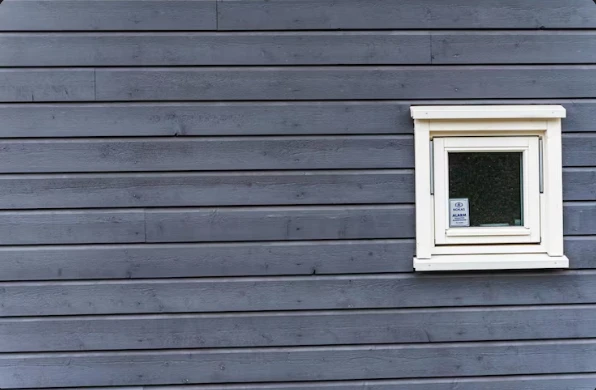
Horizontal lap siding remains the most commonly installed siding style in the United States. Clean horizontal lines complement both traditional and modern Florida homes. The overlapping design also helps shed rainwater effectively.
This siding style works well with coastal color palettes such as light gray, soft blue, or warm beige. Many new developments across Florida continue to rely on horizontal lap siding because of its balanced appearance and straightforward installation.
Board and Batten Vertical Siding
Vertical siding has become increasingly popular for modern homes across Florida. Board and batten siding uses wide vertical boards separated by narrow battens, creating strong architectural lines.
The vertical pattern adds height and visual interest to exterior walls. This style often appears in modern farmhouse-inspired homes or contemporary coastal designs. Builders frequently combine vertical siding with stone accents or dark trim to create contrast.
Vinyl Shake and Shingle Siding
Shake siding replicates the appearance of traditional cedar shingles but eliminates the maintenance challenges associated with wood. Many Florida homeowners choose shake siding for decorative areas such as gables or dormers.
The texture adds visual depth while maintaining moisture resistance. A renovation project in Jacksonville replaced aging wood shakes with vinyl shake siding. The home retained its coastal aesthetic while eliminating frequent repainting and wood repair costs.
Dutch Lap Vinyl Siding
Dutch lap siding features a curved groove along the top edge of each panel. This design creates deeper shadow lines that add dimension to exterior walls. The extra depth helps break up large flat surfaces and gives homes a more refined architectural look.
Dutch lap siding works well for homeowners who want a slightly more decorative appearance without choosing heavily textured materials. Builders frequently pair this style with darker trim colors to highlight the shadow lines.
Smooth Contemporary Vinyl Panels
Modern architecture increasingly favors clean surfaces and minimalist design. Smooth vinyl panels mimic the appearance of metal or fiber cement panels used in contemporary homes. These panels create flat, uninterrupted exterior surfaces that complement modern design elements such as large windows and geometric rooflines.
Several newer developments in South Florida use smooth vinyl panels to achieve a sleek, modern exterior without the higher cost of alternative materials.
Durability of Vinyl Siding in Florida’s Climate
Florida weather places unique demands on exterior building materials. High-quality vinyl siding systems can withstand strong winds when installed properly. Many modern siding systems are engineered to resist winds exceeding 150 miles per hour when installation guidelines are followed.
Vinyl siding also includes drainage channels behind the panels. These channels allow water to escape rather than becoming trapped behind the siding. Another advantage involves pest resistance. Termites and wood-boring insects commonly damage wooden siding in humid climates. Vinyl siding does not attract or support insect activity.
Choosing the Right Vinyl Siding Colors
Color selection plays a major role in the final appearance of modern Florida homes. Lighter colors remain popular because they reflect sunlight and help reduce heat absorption. Coastal-inspired tones continue to dominate Florida neighborhoods. Common choices include:
- Light gray
- Soft coastal blue
- Sand beige
- White with charcoal trim
Dark siding colors have also gained popularity in contemporary designs. Advances in UV-resistant pigments help darker vinyl siding maintain color consistency even in strong sunlight.
Installation Quality Determines Performance
Even the highest quality siding materials depend heavily on proper installation techniques. Accurate spacing, fastening methods, and moisture management details all influence siding durability. Poor installation can lead to warping, loose panels, or trapped moisture.
Some siding companies rely heavily on subcontracted crews, which can result in inconsistent workmanship. Contractors who use trained in-house employees often maintain stronger quality control throughout the installation process.
Average Cost of Vinyl Siding Projects
Vinyl siding remains one of the most cost-effective exterior renovation projects for homeowners.
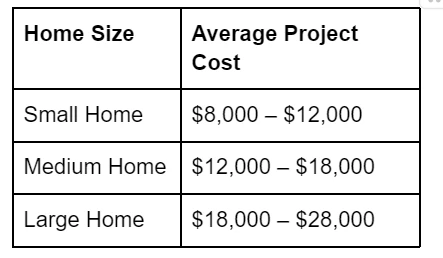
Costs vary depending on siding style, insulation options, trim elements, and labor complexity. Many homeowners combine siding replacement with soffit upgrades to improve ventilation and long-term exterior performance.
Key Takeaways
- Vinyl siding performs well in Florida due to its moisture resistance and UV protection.
- Horizontal lap siding remains the most widely used option for coastal homes.
- Board and batten siding adds a modern architectural appearance.
- Shake siding provides texture while maintaining low maintenance requirements.
- Smooth panel siding supports contemporary minimalist home designs.
- Proper installation significantly affects siding durability and storm resistance.
- Vinyl siding projects typically deliver strong resale value compared with many exterior upgrades.
Final Word
Modern Florida homes require exterior materials that balance style, durability, and climate resistance. Vinyl siding offers an appealing solution because it provides design flexibility while handling humidity, rain, and strong sunlight. Homeowners can choose from classic horizontal lap siding, bold vertical panels, or textured shake styles, depending on their architectural preferences.
Selecting the right style and ensuring proper installation helps protect the home while enhancing curb appeal. Professional installation from experienced providers such as Armour Siding and Soffit helps homeowners achieve durable, visually appealing siding solutions designed to protect Florida homes for years to come.