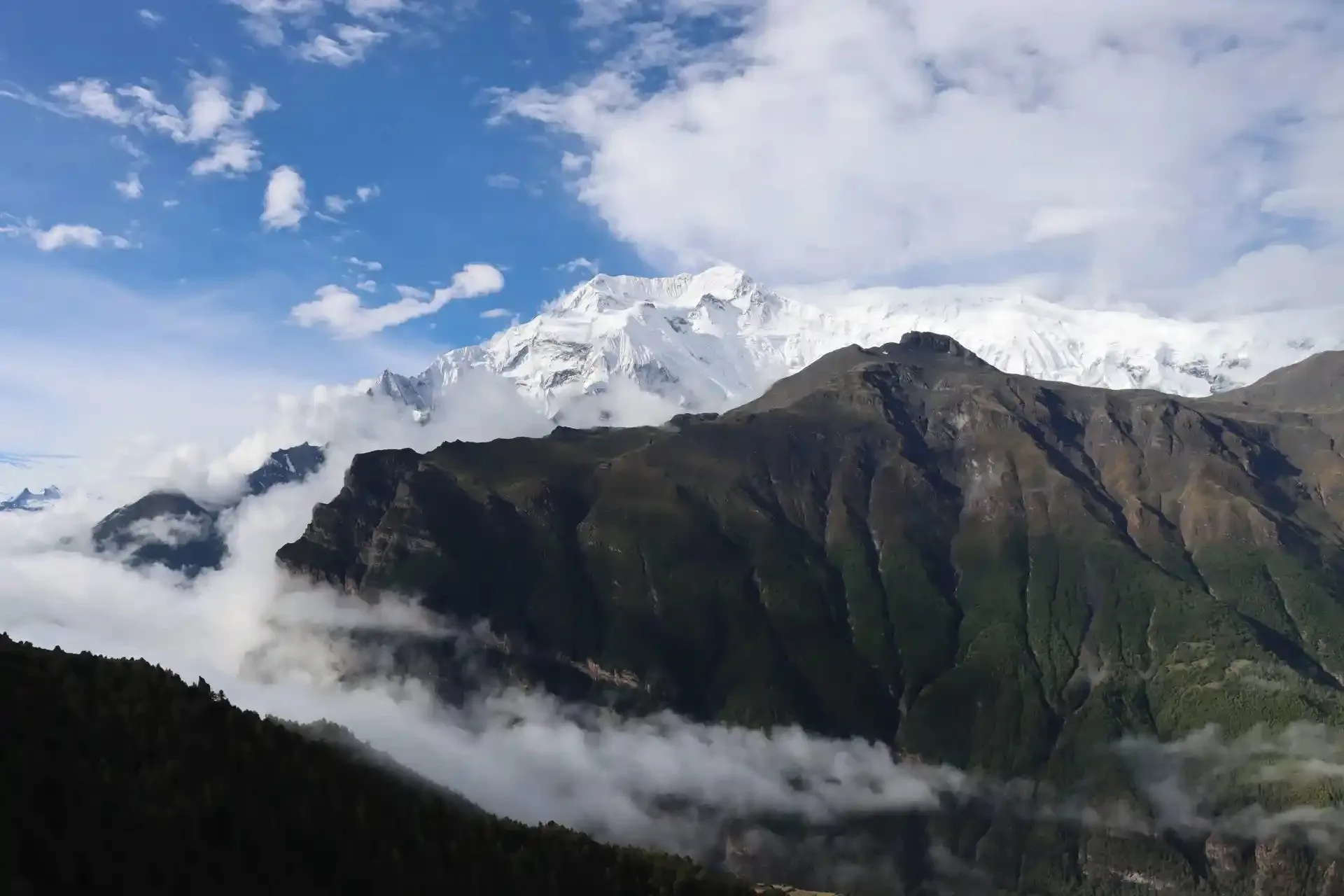
Figuring out the best time trek Nepal comes down to one simple truth, timing changes everything about your Himalayan experience, from the clarity of your mountain views to how crowded the trail feels underfoot. Nepal's seasons swing dramatically, and each one brings its own mix of weather, scenery, and trail conditions, so picking the right window can make the difference between a trek full of postcard views and one spent staring into clouds. Here is a season by season breakdown to help you plan.
Spring (March to May)
Spring is one of the two peak trekking windows in Nepal, and for good reason. Temperatures turn mild, the trails come alive with blooming rhododendron forests, and the skies stay largely stable before the summer monsoon rolls in. This is the season most trekkers picture when they imagine Nepal, colorful hillsides, comfortable daytime walking temperatures, and reliable mountain visibility. The tradeoff is that spring draws big crowds on popular routes like Everest Base Camp and the Annapurna Circuit, so book accommodation and permits early if you are trekking during these months.
Autumn (September to November)
Autumn is widely considered the single best season for trekking in Nepal. Once the monsoon clears out, the air turns crisp and clean, delivering some of the sharpest, most reliable mountain views of the entire year. Temperatures stay cool and comfortable, trails are well established, and this window lines up with Nepal's major festivals, adding a rich cultural layer to your trip. Like spring, autumn is peak season, which means popular routes get busy and teahouses fill up fast, so plan and book ahead.
Winter (December to February)
Winter is often overlooked, but it has real advantages for the right kind of trekker. Lower altitude treks like Poon Hill and Ghorepani remain very doable in winter, and this season rewards you with noticeably quieter trails and lower prices across accommodation and services. The catch is the cold, mornings and evenings drop sharply in temperature, and higher passes can see snow, so winter is best suited to shorter, lower elevation routes rather than high altitude classics like Everest Base Camp or the full Annapurna Circuit.
Monsoon (June to August)
Monsoon season is generally the least recommended time to trek in most of Nepal, since heavy rainfall brings muddy trails, leeches at lower elevations, and clouds that frequently block mountain views. That said, it is not a total write off. Regions like Upper Mustang and Dolpo sit in the rain shadow of the Himalaya, meaning they receive far less rainfall and stay strikingly beautiful even during the wettest months elsewhere in the country. If you are drawn to these remote, culturally rich areas, monsoon can actually be a smart time to go.
Matching the Season to Your Trek
The right season really depends on which trek you have your eye on. High altitude classics like Everest Base Camp and the Annapurna Circuit are best tackled in spring or autumn, when stable weather reduces risk on exposed passes and long trekking days. Shorter, lower elevation routes such as Poon Hill or the Ghorepani Ghandruk Loop stay accessible through winter as well, opening up a longer trekking calendar for travelers with less flexible schedules. And for those chasing solitude over crowds, off season trekking in rain shadow regions like Upper Mustang can deliver a completely different, quieter kind of Himalayan experience.
Final Thoughts
There is no single best time trek Nepal for every traveler, it really comes down to which trail you want to walk and what kind of experience you are after. Spring rewards you with blooming hillsides and warmer days, autumn delivers the clearest skies and the biggest cultural moments, winter offers solitude and savings on lower routes, and monsoon opens the door to Nepal's rain shadow regions when the rest of the country is soaked. Whichever window you choose, planning around the right season is one of the simplest ways to set your trek up for success.