Choosing the right college and course is an important step for students planning a career in technology. The School of Engineering & Technology is a relevant area for students who want to understand how technology works and how it can solve real-world problems. From developing software to protecting digital information, engineering education offers different learning opportunities. CGC University, Mohali, is an option students can explore while comparing technology programs, practical learning opportunities, and future career paths.
Why Choose Engineering and Technology Education?
Technology is part of almost every industry today. Businesses use software to manage their operations, hospitals depend on digital systems, and banks use technology to provide secure online services. These developments create a need for people who understand computer systems, engineering concepts, and digital tools.
Engineering education helps students develop logical thinking, problem-solving abilities, and technical knowledge. It also gives them opportunities to understand how classroom concepts can be applied to practical situations.
Before choosing a course, students should think about their interests. Those who enjoy programming may prefer computer science, while students interested in data, online systems, or digital security can explore other technology fields.
Explore Technology Courses at CGC University, Mohali
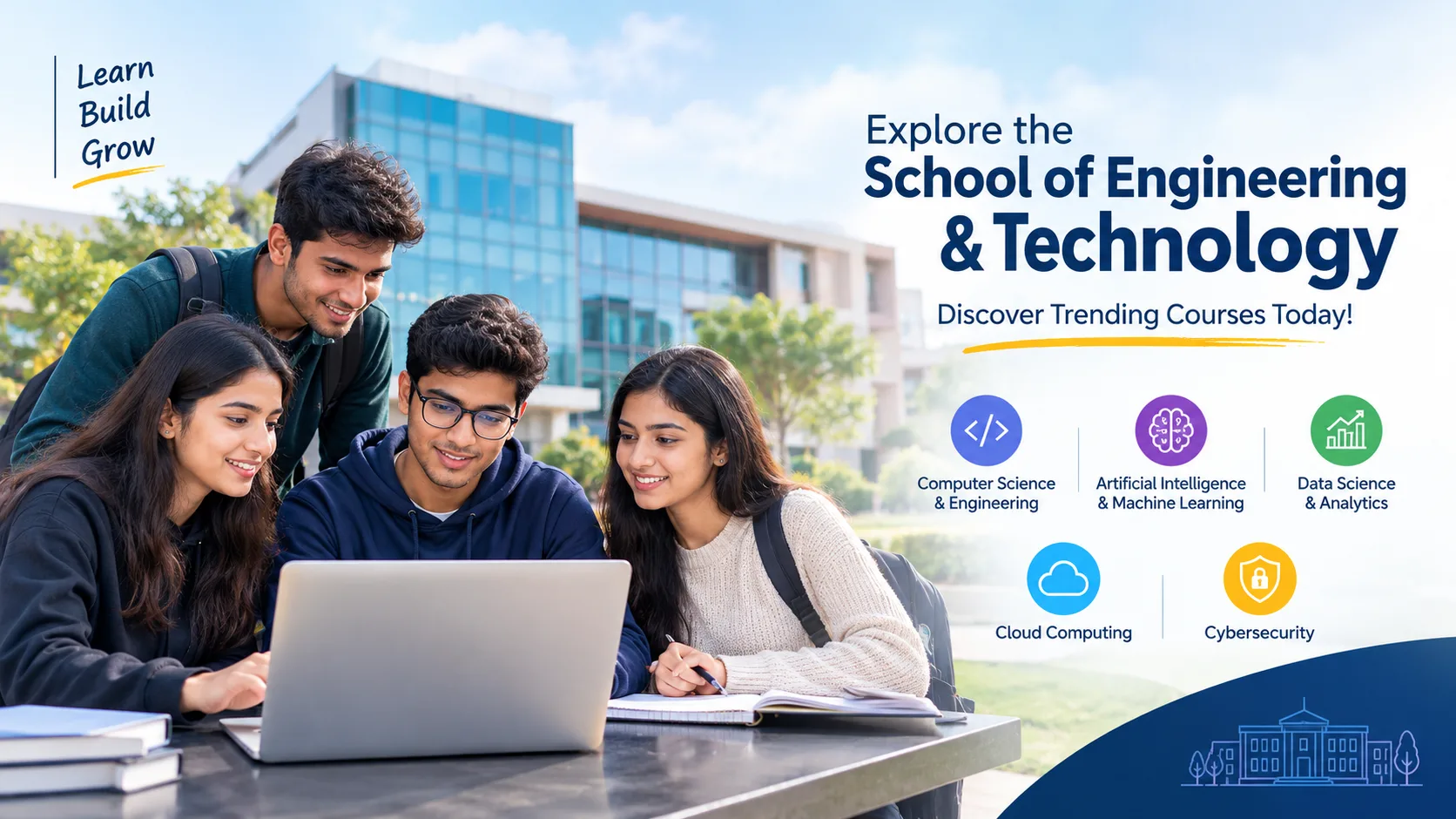
Students interested in technology can explore different specialisations based on their academic background and career goals. Each field focuses on different skills, so understanding the course content is important before making a decision.
CGC University, Mohali, can be included in your research when comparing higher education options. Check the university's official website for current programs, eligibility criteria, and course details before applying.
1. Computer Science and Engineering
Computer Science and Engineering is a suitable choice for students who enjoy computers, programming, and solving technical problems. Students can learn about programming languages, databases, computer networks, and software development.
A BTech in Computer Science Engineering can help students build a foundation in coding and computer systems. Practical assignments may also help them understand how applications and websites are developed.
Students who enjoy creating digital solutions can explore career paths such as software developer, web developer, application developer, or systems engineer, depending on their qualifications and experience.
2. Artificial Intelligence and Machine Learning
Artificial Intelligence and Machine Learning are becoming important in areas such as healthcare, education, finance, and business. These technologies help computer systems identify patterns, process information, and support different tasks.
Students interested in Artificial Intelligence and machine learning courses can explore subjects such as programming, algorithms, data processing, and intelligent systems. Machine learning focuses on methods that allow computer systems to learn patterns from data.
For example, recommendation systems suggest products or films based on user activity. Learning how these systems work can help students understand the practical use of AI.
Students should review the syllabus and practical training offered by a program to see whether it matches their interests and academic strengths.
3. Data Science and Analytics
Businesses collect information about sales, customers, products, and services. Analysing this information helps them understand customer needs and make better decisions.
Data Science courses introduce students to methods for collecting, organising, and analysing information. Depending on the program, students may study statistics, programming, databases, and data visualisation.
Students can also explore Business Analytics courses to understand how organisations use data to improve planning and business performance.
For example, a company may study its sales data to identify popular products or understand changes in customer demand. Students who enjoy mathematics, logical thinking, and working with information may find this field interesting.
4. Cloud Computing
Cloud computing allows people and organisations to access storage, software, and computing resources through the internet. It supports many services used in everyday life, including online storage and web-based applications.
Students exploring Cloud Computing courses can learn about cloud platforms, networking, virtualisation, and digital infrastructure. These subjects help explain how online services operate and how organisations manage their technology resources.
A computer science program with a cloud computing specialisation, where available, can combine fundamental computing knowledge with cloud-related subjects.
With appropriate training and experience, students may work towards roles such as cloud support associate, cloud administrator, or cloud engineer.
5. Cybersecurity
Cybersecurity focuses on protecting computer systems, networks, and digital information from unauthorised access and online threats. It has become increasingly important as more people and businesses depend on digital services.
Students interested in Cybersecurity courses can learn about network protection, information security, operating systems, and risk management. Practical exercises can help them understand how security problems are identified and prevented.
Students may also explore computer science programs that include cybersecurity subjects, where available. A foundation in networking and computer systems can be useful for understanding digital security.
Depending on their qualifications and practical experience, graduates can explore career paths in information security, security analysis, and network protection.
What Should You Look for in a School of Engineering & Technology?
Choosing a college involves more than looking at the name of a course. Students should understand what they will learn and how the program can support their development.
- Course curriculum: Review the subjects, specialisations, and technical skills included in the program.
- Practical learning: Look for projects, laboratory sessions, and assignments that help you apply theoretical knowledge.
- Faculty support: Academic guidance can help students understand challenging subjects.
- Learning facilities: Check whether relevant laboratories, software, and digital resources are available.
- Career preparation: Explore opportunities for internships, communication training, and interview preparation.
- Fees and eligibility: Review admission requirements, course duration, and total fees before applying.
It is also helpful to compare several institutions and review verified placement information rather than relying only on promotional claims.
How Can Students Prepare for a Career in Technology?
Students can begin developing useful skills before completing their degree. Those interested in programming can practise basic coding, while students interested in data can learn to organise information and create simple charts.
Small projects are a practical way to apply new knowledge. Building a website, creating a basic application, or analysing a dataset can help students understand how technical concepts work in real situations.
Communication and teamwork are important as well. Technology professionals often work with people from different backgrounds and need to explain their ideas clearly.
Students should also continue learning after their formal education. Workshops, online courses, technical communities, and relevant certifications can help them improve their skills and understand new developments in their chosen field.
Why Consider CGC University, Mohali?
Students researching engineering and technology education can explore CGC University, Mohali, as one of their options. Reviewing the university's available programs can help prospective students identify courses that match their interests and future plans.
Before applying, students should check the official curriculum, eligibility requirements, facilities, faculty information, and verified placement details. It is also useful to understand what practical learning opportunities are available within the selected program.
The right course should match a student's interests and provide a clear learning path. Comparing these factors can help students make an informed decision about their education.
Conclusion
Engineering and technology offer different opportunities for students interested in computers, innovation, and problem-solving. From Computer Science and Engineering to Artificial Intelligence, Data Science, Cloud Computing, and Cybersecurity, students can explore fields that match their strengths and career goals.
If you are considering a School of Engineering & Technology, take time to compare course content, practical learning opportunities, and admission requirements. CGC University, Mohali, is worth exploring as part of your research. Choose a program that helps you develop useful skills and prepares you for the career you want to pursue.