Construction footwear has a difficult job. It needs to protect your feet from hazards while remaining comfortable enough to wear through a long shift.
For someone searching for the Best safety boots for construction, the obvious temptation is to look for the toughest-looking pair available. In reality, the right boot depends on the work being carried out, the site conditions and how much time you'll spend walking or standing.
A bricklayer working outdoors in winter has very different requirements from an electrician moving between indoor sites. Weight, grip, toe protection, weather resistance and fit can all influence whether a boot is genuinely useful.
Price matters too. Good safety footwear doesn't have to mean buying the most expensive option.
Why Construction Footwear Deserves Careful Consideration
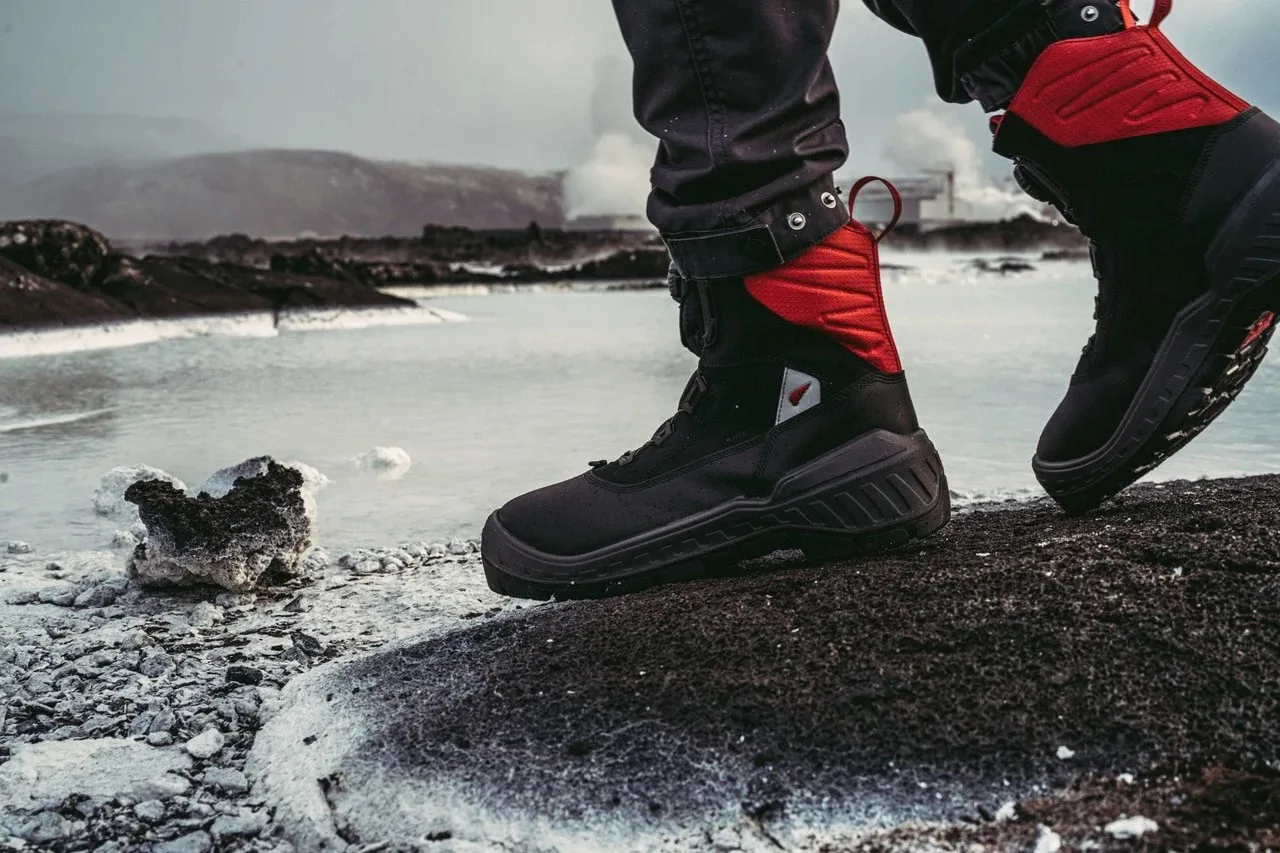
Construction sites expose footwear to a range of hazards, including heavy materials, sharp debris, wet surfaces and uneven ground.
The safety features you need should therefore reflect the risks identified in your working environment.
A suitable boot may include:
- Protective toe caps
- Slip-resistant soles
- Penetration-resistant midsoles
- Water-resistant construction
- Ankle support
- Shock-absorbing cushioning
- Durable upper materials
It is also worth checking the safety specification rather than relying on appearance. A boot can look rugged without offering the particular protection your workplace requires.
Comfort should be treated as part of safety as well. Discomfort becomes harder to ignore after eight or ten hours, especially when you're constantly walking across hard surfaces.
Best Safety Boots for Construction: What to Look For
The Best Safety Boots for Construction should match the environment rather than simply having the longest feature list.
Toe Protection
Choose footwear with the safety toe specification required for your workplace. Different designs may use steel, composite or other protective materials.
Grip
A construction boot needs a sole suited to the surfaces you regularly encounter. Deep tread can be useful on mud and loose ground, while a different outsole may perform better on indoor concrete.
Midsole Protection
Where sharp objects or debris are a concern, penetration-resistant protection can be an important consideration.
Waterproofing
Outdoor work in Britain often means dealing with rain, wet ground and muddy conditions. Water-resistant or waterproof construction can make long shifts much more manageable.
Weight
A heavy boot can feel reassuring, but weight accumulates over a full working day. If your job involves constant movement, a lighter design may reduce fatigue.
The right balance is different for every worker.
Protection Versus Comfort
There's little value in owning highly protective footwear that you can't comfortably wear for a full shift.
Fit should be a priority from the beginning. Your heel should remain secure without rubbing, while the toes need enough room to move naturally.
Try boots with the socks you normally wear at work. This simple step can prevent sizing problems later.
The shape of the boot matters too. Some designs are naturally wider, while others have a narrower profile. Don't assume your usual casual shoe size will provide the correct fit in safety footwear.
A good work boot should feel secure, stable and comfortable without requiring constant adjustment.
Finding Affordable Safety Workwear in Leicester
Workers searching for affordable safety workwear boots Leicester suppliers offer are often trying to balance cost with genuine workplace protection.
That's a sensible approach. Workwear is frequently exposed to conditions that shorten its lifespan, so finding good value matters.
The cheapest pair, however, isn't automatically the most economical.
Consider the expected lifespan, sole durability, comfort and whether replacement parts or repairs are possible. A slightly more expensive boot that remains comfortable and usable for longer may offer better value overall.
It is also worth considering how much specialist footwear you actually need. Someone working indoors on relatively clean surfaces may have different requirements from a construction worker regularly exposed to mud and rough terrain.
Buy for the job rather than the marketing.
When Affordable Safety Workwear Trainers Make Sense
Traditional boots aren't the only option.
Affordable safety workwear trainers can be a useful choice for workers who spend much of the day moving around warehouses, workshops, logistics facilities or indoor sites.
Their lighter construction can provide a more familiar trainer-like feel while still incorporating protective features required for certain working environments.
They can be particularly attractive when:
- Much of the work is indoors
- Long distances are covered during shifts
- Flexibility is important
- Heavy ankle support is not required
However, don't assume a trainer-style design is suitable for every construction site. Check the required safety rating and workplace rules before choosing footwear.
A lightweight shoe is only useful if it provides the protection your job demands.
Where CAT Safety Footwear Fits In
CAT safety footwear is another option familiar to workers looking for robust protective shoes and boots.
The important thing, as with any safety footwear, is to look at the individual model rather than relying solely on the brand name.
Consider the toe protection, sole construction, slip resistance, waterproofing, weight and fit. A particular model may suit one environment far better than another.
Brand reputation can provide a useful starting point, but the technical specification is what ultimately determines whether a shoe is suitable for the job.
That is especially important when safety footwear is being purchased for a specific site or employer requirement.
Caring for Work Boots
Construction boots are built to take punishment, but maintenance still makes a difference.
Remove mud and debris regularly rather than allowing them to build up around the sole and stitching. Follow the manufacturer's cleaning instructions, particularly for leather or specialist waterproof materials.
Allow wet boots to dry naturally. Direct heat from radiators or heaters can damage leather, adhesives and waterproof membranes.
Inspect the sole periodically. Excessive wear can reduce grip even when the upper still looks perfectly usable.
It's better to replace footwear when its protective features are compromised than to continue wearing it simply because the boot still looks presentable.
Common Buying Mistakes
One frequent mistake is choosing based entirely on price.
A heavily discounted pair may look attractive, but poor comfort or rapid deterioration can make it a false economy.
Another mistake is choosing the heaviest boot available because it looks more protective. More weight does not automatically mean better protection, and it can contribute to fatigue.
People also overlook socks. A well-fitting safety boot can feel completely different when worn with thick work socks compared with a thin everyday pair.
Finally, don't forget the workplace rules. Always check the safety specification required for your site before purchasing.
Finding the Best safety boots for construction is ultimately about matching protection, comfort and durability to the actual working environment.
For workers comparing affordable safety workwear boots Leicester suppliers offer, price should be considered alongside lifespan and performance. Affordable safety workwear trainers can make sense for lighter, more mobile environments, while CAT safety footwear may offer suitable options across a range of demanding workplaces.
The right footwear should support the worker rather than become another problem during the shift. Good fit, appropriate protection and sensible construction matter far more than simply choosing the most rugged-looking pair on the shelf.
Frequently Asked Questions
What are the best safety boots for construction work?
The best pair depends on the hazards and conditions of the site. Look for the required toe protection, suitable grip, appropriate midsole protection, weather resistance and a comfortable fit.
Are composite toe safety boots better than steel toe boots?
Neither is automatically better. Composite and steel toe caps have different characteristics, and the right choice depends on workplace requirements, comfort preferences and the conditions in which the footwear will be used.
Are affordable safety workwear trainers suitable for construction sites?
Some may be, but only where their safety rating and construction meet the site's requirements. Always check the certification and employer guidelines.
Is CAT safety footwear suitable for construction?
Some CAT models are designed for demanding work environments, but suitability should always be judged from the specific model's protective features and certification rather than the brand name alone.
How long should construction safety boots last?
There is no fixed lifespan. Frequency of use, working conditions, materials and maintenance all make a difference. Replace boots when the protective components, sole or overall construction become compromised.
Should construction safety boots be waterproof?
For outdoor work in wet conditions, waterproof or highly water-resistant footwear can be extremely useful. Indoor workers may have different priorities, so waterproofing isn't always essential.