
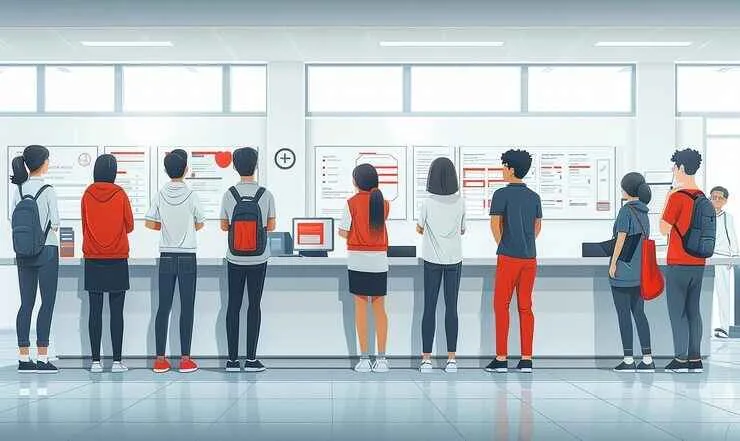
Businesses in 2026 face one common challenge: customers expect fast, smooth, and well-organized service. Whether it is a hospital, bank, retail store, or government office, long waiting lines can quickly damage customer satisfaction. This is where modern queue management system software becomes essential for improving service efficiency and customer experience.
Instead of relying on manual queues, businesses are shifting toward digital systems that manage customer flow intelligently. These solutions reduce waiting frustration, improve staff productivity, and create a more structured service environment.
What Is a Queue Management System?
A queue management system software is a digital tool designed to organize customer flow in service environments. It replaces traditional waiting lines with automated systems that assign tokens, manage service priority, and provide real-time updates to customers.
Modern systems often include features like:
Digital ticketing
Mobile check-in
Virtual waiting rooms
Automated notifications
Service analytics dashboards
The main goal is simple: reduce waiting time and improve the overall service journey.
How Modern Queue Systems Work
A typical digital queue system follows a structured process:
Customers first register through a kiosk, mobile app, or online portal. They receive a token number and can wait physically or remotely. The system then tracks their position in real time and alerts them when their turn is near.
Staff members use a dashboard to manage service counters, while managers monitor performance metrics such as waiting time, service speed, and peak hours. This creates a more organized and predictable service flow.
Key Features of Queue Management Software
Modern solutions go far beyond basic token systems. Here are some important capabilities:
Virtual Waiting Experience
Customers can join a queue remotely and wait from anywhere instead of standing in line. This improves comfort and reduces crowding in service areas.
Appointment Scheduling
Users can book time slots in advance, allowing businesses to control daily traffic and reduce peak-hour pressure.
Real-Time Notifications
Customers receive alerts through SMS or mobile apps when their turn approaches, reducing uncertainty and unnecessary waiting.
Smart Analytics
Businesses can track performance metrics such as:
Average waiting time
Service duration
Customer volume trends
Staff efficiency
Multi-Location Control
Large organizations can manage multiple branches from a single dashboard, improving consistency across locations.
Benefits for Modern Businesses
Better Customer Experience
Customers appreciate clarity and transparency. A digital system removes confusion and gives them real-time updates, improving satisfaction.
Reduced Waiting Pressure
Instead of physical crowding, customer flow is distributed more evenly throughout the day.
Higher Staff Efficiency
Employees no longer need to manually manage lines. They can focus on delivering service instead of controlling queues.
Improved Operations
Businesses gain better control over daily traffic, making operations smoother and more predictable.
Data-Driven Decisions
With built-in analytics, companies can identify service bottlenecks and optimize performance.
Where These Systems Are Used
Healthcare
Hospitals use digital queue systems to manage patient flow, reduce waiting room congestion, and improve appointment handling.
Banking
Banks rely on automated systems to organize teller counters and reduce long customer lines during peak hours.
Retail
Retail stores use them to improve checkout experiences and manage customer flow during busy hours or promotions.
Government Services
Public offices handle large crowds daily, making structured systems essential for efficient service delivery.
Telecom and Support Centers
Customer service centers use these tools to manage support requests and reduce service delays.
Traditional Waiting vs Digital Queue Systems
Traditional queues often lead to confusion, overcrowding, and frustration because customers have no clear idea of wait times. Staff also struggle to manage large crowds manually.
Digital systems solve these problems by introducing:
Transparent waiting times
Remote queue access
Automated customer updates
Better service distribution
The result is a smoother and more predictable experience for both customers and staff.
How to Choose the Right Solution
When selecting a system, businesses should focus on practical needs rather than just features.
A good solution should be:
Easy to use for both staff and customers
Scalable for future growth
Compatible with existing software tools
Cloud-based for remote access
Supported by reliable technical assistance
The right system should reduce complexity, not add to it.
Future of Queue Management Technology
The next generation of digital queue systems is becoming more intelligent. Artificial intelligence is now being used to predict customer flow, optimize staff allocation, and reduce waiting times automatically.
Future improvements may include:
AI-based traffic prediction
Facial recognition check-ins
Voice-based queue interaction
Fully contactless service environments
Personalized customer routing
These innovations will continue to make service delivery faster and more efficient.
Frequently Asked Questions
What is a digital queue system used for?
It is used to manage customer flow, reduce waiting time, and improve service organization in businesses.
Is it suitable for small businesses?
Yes. Even small clinics, shops, and service centers can benefit from better customer flow management.
Does it improve customer satisfaction?
Yes. Customers get clear updates, shorter waiting times, and a more organized experience.
Final Thoughts
Modern service environments demand speed, clarity, and efficiency. Digital queue systems help businesses meet these expectations by organizing customer flow and reducing unnecessary delays.
Instead of relying on manual methods, companies that adopt smart queue solutions can deliver smoother service experiences, improve staff performance, and build stronger customer trust.
As customer expectations continue to rise, businesses that invest in smarter service systems will stay ahead in a competitive market.