Early childhood education plays a vital role in shaping a child’s emotional, social, and cognitive development. During the preschool years, children build foundational skills that influence how they learn, interact, and adapt as they grow. Across Suffolk County, families increasingly seek educational environments that go beyond basic childcare and focus on purposeful learning experiences. Innovative preschool programs are now redefining early education by blending creativity, structure, and child-centered teaching methods.
1. The Importance of Early Learning Innovation
Preschool is often a child’s first structured learning environment outside the home. At this stage, young learners are naturally curious and eager to explore the world around them. Innovative learning programs are designed to harness this curiosity through hands-on activities, guided discovery, and age-appropriate challenges. Rather than relying solely on traditional instruction, modern preschools integrate play-based learning with educational goals, helping children absorb knowledge naturally.
Being recognized as a Best Preschool Suffolk County option means offering programs that adapt to the evolving needs of children and families. Innovation in early education focuses on nurturing creativity, emotional intelligence, and problem-solving skills alongside early literacy and numeracy.
2. A Balanced Curriculum for Whole-Child Development
One of the defining features of innovative preschool programs is a balanced curriculum. This approach supports academic readiness while also emphasizing social and emotional growth. Children engage in activities that promote language development, early math concepts, and fine motor skills, all within a supportive and engaging environment.
Equally important is the focus on emotional development. Preschool programs encourage children to express feelings, practice empathy, and develop positive relationships with peers and teachers. Group activities and guided play help children learn cooperation, patience, and communication—skills that are essential for long-term success.
3. Learning Through Play and Exploration
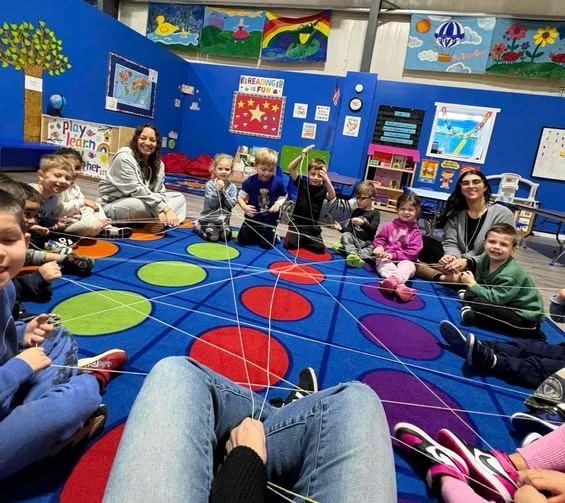
Play is a powerful educational tool in early childhood. Innovative preschools recognize that children learn best when they are actively involved and enjoying the process. Through imaginative play, sensory activities, and creative projects, children explore new ideas while building confidence and independence.
Exploration-based learning also supports critical thinking. Simple experiments, storytelling, music, and movement activities allow children to ask questions and make connections. This approach fosters a love for learning and encourages children to view challenges as opportunities rather than obstacles.
4. Preparing Children for Future Academic Success
While play is central, innovative preschool programs also prepare children for the structure of elementary school. Early literacy activities introduce letter recognition, vocabulary, and storytelling skills. Math concepts such as counting, sorting, and pattern recognition are woven into daily routines.
Teachers guide children through structured activities that promote listening skills, following instructions, and completing tasks independently. These experiences help ease the transition to kindergarten by building confidence and familiarity with classroom expectations.
5. The Role of Educators in Innovative Programs
Educators are at the heart of successful preschool programs. Skilled teachers understand child development and adapt their teaching styles to meet individual needs. In innovative learning environments, educators act as facilitators, guiding exploration rather than directing every outcome.
Ongoing professional development allows teachers to stay informed about best practices in early education. This ensures that children benefit from research-backed teaching methods and a nurturing classroom atmosphere where every child feels valued and supported.
6. A Safe and Supportive Environment
Parents prioritize safety and trust when choosing early education programs. Innovative preschools maintain secure, welcoming environments where children feel comfortable and encouraged to explore. Clear routines, consistent expectations, and attentive supervision create a sense of stability that supports learning.
For families seeking reliable Daycare East Northport options, a strong emphasis on safety, structure, and emotional care is essential. When children feel secure, they are more open to learning and forming positive relationships.
7. Family Engagement and Communication
Innovative preschool programs recognize the importance of family involvement. Open communication between educators and parents helps create consistency between home and school. Regular updates, progress discussions, and family activities strengthen the partnership and support each child’s development.
When families are engaged, children benefit from a unified approach to learning and growth. This collaboration builds trust and reinforces the value of education from an early age.
Summary
Innovative preschool programs are transforming early childhood education by focusing on the whole child—academically, socially, and emotionally. Through balanced curricula, play-based learning, skilled educators, and supportive environments, these programs help children develop a lifelong love for learning. Families seeking quality early education benefit from programs that combine structure with creativity and care. At Miss Sue's Nursery School, children are supported through thoughtful, innovative learning experiences designed to inspire curiosity, confidence, and growth during these important early years.