
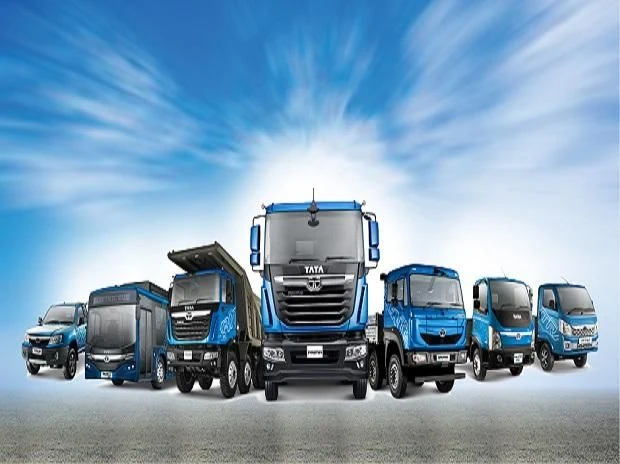
Long-distance freight transport is vital for businesses in South Africa. It connects cities, industries, and markets across the country. Efficient transportation ensures timely deliveries and reduces costs. Let us highlight some simple practices to enhance the efficiency and safety of long-distance freight transport:
Choose the right vehicle
Selecting a suitable vehicle is crucial for long-distance transport. A heavy truck designed for long hauls can handle larger loads and offer better fuel efficiency. Some trucks, like the ULTRA T.9, are built to combine strength with comfort for long journeys. Choosing a vehicle that matches the specific needs of the cargo, and the terrain helps reduce delays, ensures safety, and lowers fuel consumption.
Regular maintenance is key
Maintaining the vehicle in good condition is essential. Regular checks of the engine, brakes, and tyres can prevent breakdowns and costly repairs. Ensuring that all parts are functioning properly contributes to the overall efficiency of the transport. Simple maintenance tasks like checking fluid levels, inspecting lights, and cleaning air filters can keep the truck running smoothly.
Plan efficient routes
Planning the route ahead of time can save time and fuel. Avoiding congested areas and choosing roads in good condition can lead to smoother journeys. Utilising GPS systems can help in real-time route adjustments to avoid delays. Planning also includes scheduling stops for refuelling and rest.
Monitor fuel consumption
Keeping track of fuel usage helps in identifying any issues with the vehicle's performance. If a truck consumes more fuel than expected, it may indicate a need for maintenance or a change in driving habits. For example, models like the ULTRA T.14 are designed for long-distance hauling with optimised fuel efficiency, so monitoring consumption can help assess if the truck is performing as expected.
Ensure proper loading
Overloading a vehicle can lead to increased fuel consumption and potential damage to the truck. It's important to load the vehicle according to its capacity and ensure the weight is evenly distributed. Proper loading also improves safety on highways and reduces the risk of accidents.
Train drivers
Educating drivers on efficient driving practices can make a significant difference. Encouraging smooth acceleration and braking, maintaining consistent speeds, and reducing idle times can all contribute to better fuel economy and reduced wear on the vehicle.
Use technology
Implementing telematics systems can provide real-time data on the vehicle's performance. Monitoring factors like speed, fuel consumption, and engine health can help in making informed decisions about maintenance and route planning. These systems also allow businesses to track multiple trucks simultaneously, ensuring consistent performance across the fleet.
Conclusion
With the help of these practices, businesses can improve the efficiency and safety of long-distance freight transport operations in South Africa. Regular maintenance, careful planning, efficient driving habits, and using the right vehicle for the job play a significant role in reducing costs, saving fuel, and ensuring timely deliveries.