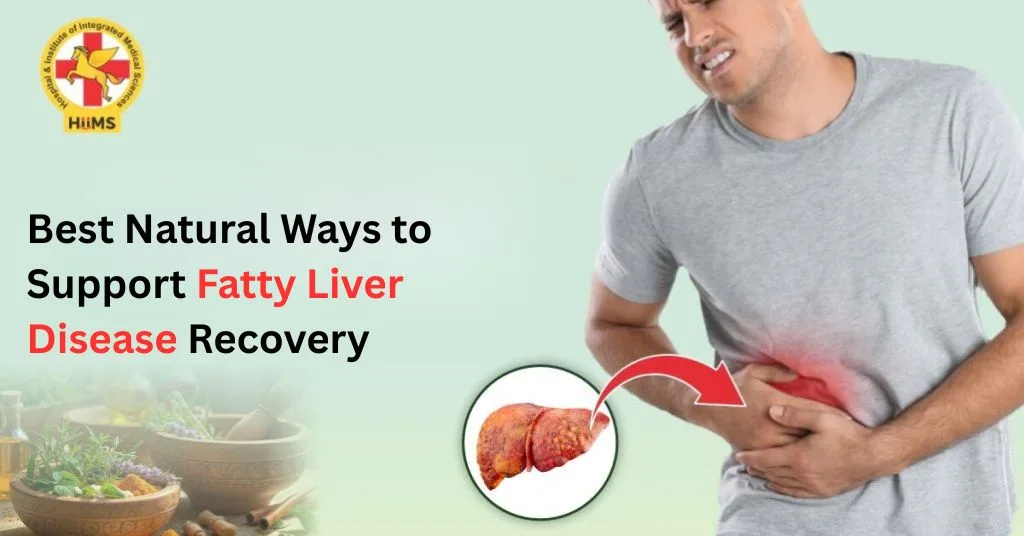
The liver is one of the most important organs in the human body, responsible for filtering toxins, supporting digestion, regulating metabolism, and storing essential nutrients. However, unhealthy eating habits, a sedentary lifestyle, stress, and poor sleep can gradually affect liver health and contribute to fatty liver disease. If ignored, this condition may progress and impact overall well-being.
The good news is that early-stage fatty liver can often be managed by making positive lifestyle changes and adopting natural wellness practices. At Jeena Sikho HiiMS, the focus is on supporting the body's natural healing processes through holistic lifestyle guidance, balanced nutrition, and Ayurvedic principles that encourage long-term wellness.
In this article, we will explore the best natural ways to support fatty liver disease recovery and maintain better liver health.
Understanding Fatty Liver Disease
Fatty liver disease occurs when excess fat accumulates in the liver. While a small amount of fat is normal, too much fat may interfere with the liver's normal functioning over time. In many cases, people do not experience noticeable symptoms during the early stages, making regular health check-ups and a healthy lifestyle even more important.
Supporting liver health naturally involves addressing the root lifestyle factors that contribute to fat accumulation while encouraging the body's own recovery mechanisms.
Why Natural Lifestyle Changes Matter
Natural lifestyle modifications focus on improving overall health rather than only managing a single condition. These changes help reduce the burden on the liver, improve metabolism, and promote better energy levels.
At Jeena Sikho HiiMS, emphasis is placed on creating sustainable habits that work alongside the body's natural healing ability through balanced nutrition, daily routines, stress management, and Ayurvedic wellness practices.
Best Natural Ways to Support Fatty Liver Disease Recovery
1. Follow a Nutrient-Rich Balanced Diet
Your daily diet plays a significant role in liver health. Choosing wholesome, natural foods helps provide essential nutrients while reducing unnecessary stress on the liver.
1.1 Include Fresh Fruits and VegetablesFresh fruits and vegetables are rich in vitamins, minerals, antioxidants, and fiber. They help support digestion and contribute to overall metabolic health.
Some beneficial choices include:
- Leafy green vegetables
- Carrots
- Beetroot
- Cucumber
- Apples
- Papaya
- Berries
- Citrus fruits
Whole grains provide fiber that supports digestive health and helps maintain balanced energy levels.
Good options include:
- Brown rice
- Oats
- Millets
- Quinoa
- Whole wheat
Protein supports tissue repair and helps maintain muscle mass.
Natural protein sources include:
- Lentils
- Chickpeas
- Moong dal
- Sprouts
- Nuts and seeds
2. Stay Properly Hydrated
Water plays an essential role in maintaining overall body functions. Proper hydration supports digestion, nutrient transport, and natural detoxification processes.
Simple hydration tips include:
- Drink adequate water throughout the day.
- Begin your morning with a glass of lukewarm water.
- Include natural herbal drinks as part of a balanced lifestyle.
- Avoid excessive sugary beverages.
3. Maintain a Healthy Body Weight
Being overweight is commonly associated with fatty liver disease. Even gradual weight management through healthy eating and regular physical activity may positively support liver wellness.
Instead of following restrictive diets, focus on:
- Consistent meal timing
- Portion control
- Mindful eating
- Regular movement
Sustainable lifestyle habits often provide better long-term results than quick-fix approaches.
4. Exercise Regularly
Physical activity improves circulation, supports metabolism, and helps reduce excess body fat.
Aim for at least 30 to 45 minutes of moderate activity on most days of the week.
Activities may include:
- Walking
- Cycling
- Yoga
- Stretching exercises
- Light strength training
Consistency is far more important than intensity.
5. Practice Yoga for Liver Wellness
Yoga encourages flexibility, relaxation, and overall physical well-being. Certain yoga practices may help improve digestion and support healthy metabolism.
Some commonly practiced yoga postures include:
- Bhujangasana
- Vajrasana
- Ardha Matsyendrasana
- Pawanmuktasana
- Dhanurasana
Always practice yoga under proper guidance, especially if you are new to it.
6. Support Digestive Health
Healthy digestion contributes significantly to overall liver wellness.
Simple habits that support digestion include:
- Eating meals slowly
- Chewing food thoroughly
- Avoiding overeating
- Maintaining regular meal timings
- Including fiber-rich foods
A healthy digestive system allows the body to process nutrients more efficiently.
7. Prioritize Quality Sleep
Sleep allows the body to perform many repair and recovery functions.
Poor sleep habits may negatively affect metabolism and overall health.
Healthy sleep practices include:
- Sleeping for 7–8 hours daily
- Going to bed at a consistent time
- Reducing screen exposure before bedtime
- Creating a peaceful sleeping environment
Quality sleep supports both physical and mental wellness.
8. Manage Everyday Stress
Chronic stress may influence several aspects of health, including digestion and metabolism.
Healthy stress-management techniques include:
- Meditation
- Deep breathing exercises
- Mindfulness practices
- Spending time in nature
- Reading
- Listening to calming music
Reducing stress can contribute to a healthier lifestyle overall.
9. Avoid Processed and Junk Foods
Highly processed foods often contain excessive unhealthy fats, refined sugars, and preservatives that may place additional strain on the liver.
Try limiting:
- Deep-fried foods
- Sugary snacks
- Soft drinks
- Packaged foods
- Refined bakery products
- Fast food
Replacing these with fresh, home-cooked meals supports long-term wellness.
10. Build Consistent Healthy Habits
Long-lasting recovery is usually supported by small daily improvements rather than occasional major changes.
Healthy daily habits include:
- Eating meals on time
- Staying physically active
- Drinking enough water
- Managing stress
- Sleeping well
- Spending time outdoors
Over time, these habits create a strong foundation for better liver health.
How Ayurveda Supports Holistic Liver Wellness
Ayurveda emphasizes maintaining balance in the body through proper diet, daily routine, and natural living. Rather than focusing on isolated symptoms, it encourages improving overall wellness by supporting healthy digestion, metabolism, and lifestyle habits.
At Jeena Sikho HiiMS, Ayurvedic principles are integrated with personalized wellness guidance to help individuals adopt healthier routines that promote natural recovery and long-term well-being. The approach focuses on understanding each person's lifestyle and encouraging sustainable habits that support liver health.
Lifestyle Tips to Protect Your Liver
Simple preventive measures can make a meaningful difference in maintaining liver health over time.
Follow these everyday habits:
- Eat freshly prepared meals.
- Include seasonal fruits and vegetables.
- Stay physically active every day.
- Drink enough water.
- Avoid unnecessary late-night eating.
- Maintain a consistent sleep schedule.
- Practice yoga and meditation regularly.
- Manage body weight through healthy habits.
- Choose natural, nutrient-rich foods.
- Schedule regular health check-ups to monitor overall wellness.
Why Choose Jeena Sikho HiiMS?
Jeena Sikho HiiMS promotes a holistic approach to health by encouraging natural lifestyle practices rooted in Ayurvedic wisdom. The focus is on supporting the body's natural healing capacity through balanced nutrition, healthy routines, stress management, yoga, and personalized wellness guidance.
By emphasizing prevention and long-term lifestyle improvement, Jeena Sikho HiiMS helps individuals work toward better liver health while enhancing overall quality of life through sustainable and natural wellness practices.
Conclusion
Supporting fatty liver disease recovery naturally begins with everyday choices. A balanced diet, regular physical activity, adequate hydration, quality sleep, stress management, and mindful living can all contribute to healthier liver function and overall well-being.
Adopting these habits consistently can make a positive difference over time. Jeena Sikho HiiMS encourages individuals to embrace a holistic lifestyle based on Ayurvedic principles, helping them build healthier routines that support natural liver wellness and long-term health. Small, consistent lifestyle improvements today can pave the way for a healthier future.