Left Ventricular Assist Devices (LVADs) represent a critical advancement in modern cardiac care, providing mechanical circulatory support for individuals with advanced heart failure. While the clinical function of an LVAD is life-sustaining, the practical reality of living with the device introduces ongoing lifestyle challenges, particularly in terms of mobility, comfort, and device management.
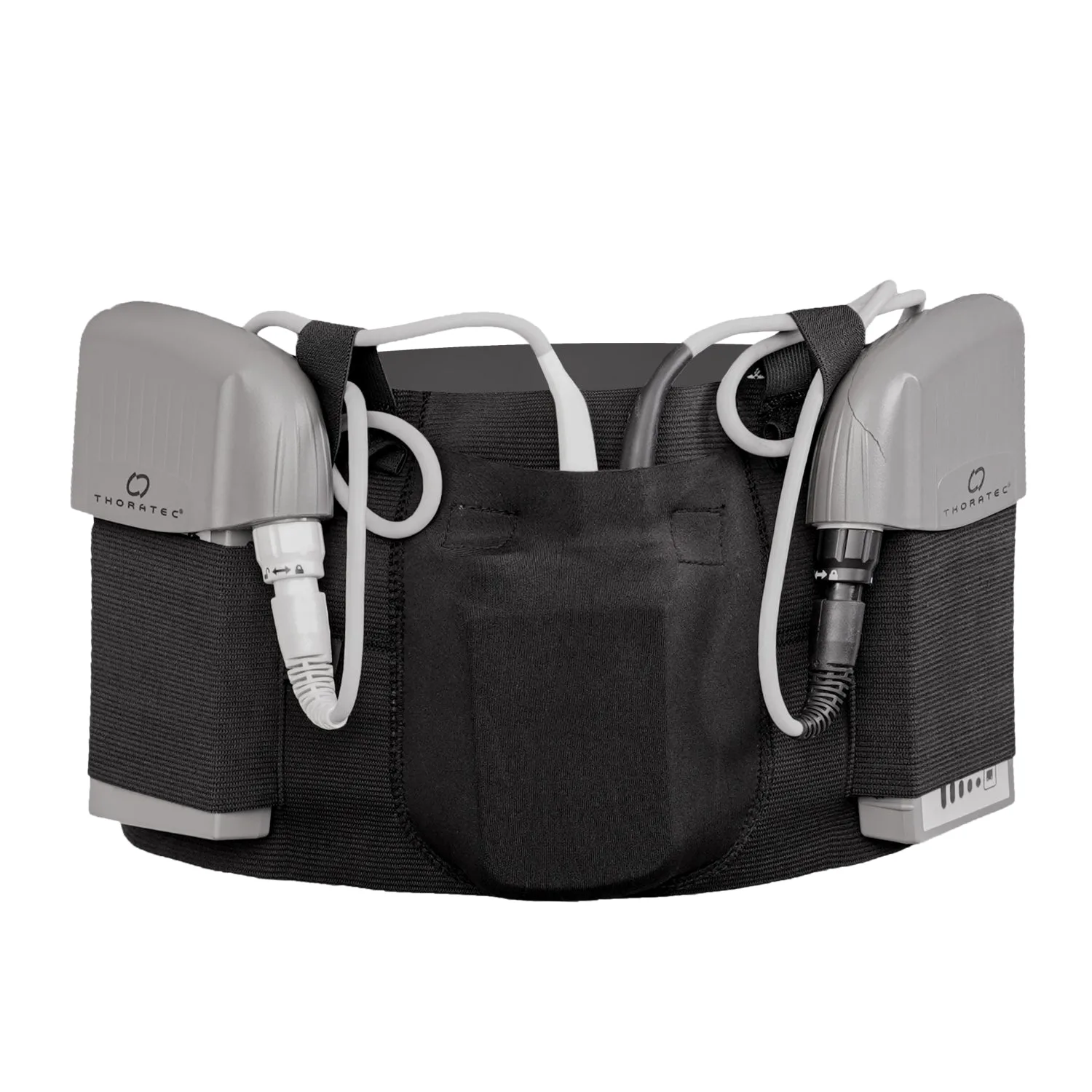
LVAD support clothing plays a central role in addressing these challenges by offering structured, secure, and ergonomically designed solutions for carrying and stabilizing external LVAD components such as controllers, driveline connections, and power sources. Alongside this, specialized lvad accessories further enhance usability, safety, and quality of life.
This article provides a detailed, research-driven analysis of the best LVAD support clothing for daily wear and mobility, including design principles, clinical relevance, user considerations, and expert best practices.
Understanding LVAD Support Clothing and LVAD Accessories
LVAD systems typically consist of an implanted pump connected via a driveline to an external controller and battery pack. Because these external components must be carried continuously, support clothing is engineered to distribute weight, reduce strain, and protect device integrity.
Role of LVAD Support Clothing
LVAD support garments are designed to:
- Secure external LVAD equipment close to the body
- Prevent driveline tension or accidental disconnection
- Improve patient mobility and posture
- Reduce skin irritation caused by straps or device friction
These garments often resemble vests, belts, harnesses, or modular carry systems adapted for medical wearables.
Function of LVAD Accessories
LVAD accessories extend functionality and comfort by including:
- Battery holsters and pouches
- Controller pockets with reinforced support
- Driveline stabilization components
- Moisture-wicking liners for skin protection
Together, they form an integrated ecosystem that supports daily living with an LVAD.
Key Features of the Best LVAD Support Clothing for Daily Wear and Mobility
High-quality LVAD clothing is evaluated based on clinical usability and real-world performance.
1. Ergonomic Load Distribution
Effective garments distribute weight evenly across the torso or waist, reducing localized pressure points and musculoskeletal strain. This is especially important for long-term wear during walking, commuting, or household activities.
2. Secure Device Housing
LVAD equipment must remain stable during movement. Premium designs include:
- Reinforced compartments
- Adjustable closures
- Anti-slip interior lining
3. Breathable and Medical-Grade Materials
Materials such as moisture-wicking polyester blends or medical-grade neoprene are commonly used to:
- Prevent overheating
- Reduce bacterial growth
- Maintain skin integrity during prolonged wear
4. Adjustable Fit Systems
Since LVAD patients vary widely in body shape and mobility levels, adjustability is essential. Velcro systems, elastic panels, and modular straps allow for personalized fitting.
5. Compatibility with Medical Requirements
Support clothing must not interfere with:
- Driveline exit sites
- Sterile dressing access
- Emergency device operation
Mobility and Daily Lifestyle Integration
A major goal of LVAD support clothing is to restore independence in daily activities.
Patients using well-designed garments can more safely engage in:
- Walking and light exercise
- Household tasks
- Travel and commuting
- Social activities
Clinical studies in cardiac rehabilitation programs suggest that improved device stability correlates with increased patient confidence and physical activity adherence, which is essential for long-term recovery outcomes (source: National Institutes of Health research on LVAD rehabilitation protocols).
LVAD Sleeping Belt and Nighttime Support Systems
Nighttime device management presents unique challenges due to unconscious movement, pressure shifts, and risk of driveline tension. Specialized sleep-focused support systems address these concerns.
One widely used solution is the lvad sleeping belt, designed to stabilize LVAD components during rest while maintaining comfort and preventing accidental pulling or twisting of the driveline.
These belts typically feature:
- Low-profile construction for supine and side sleeping
- Soft internal padding to reduce pressure points
- Secure containment zones for batteries and controllers
- Flexible materials that adapt to sleep movement
Such designs are especially important in reducing nighttime complications and improving sleep quality in LVAD patients.
Benefits of High-Quality LVAD Support Clothing
Well-designed LVAD garments provide measurable functional and psychological benefits:
- Improved mobility: Reduced device movement allows safer walking and activity
- Enhanced safety: Minimizes risk of driveline traction injuries
- Better posture: Balanced weight distribution reduces back and shoulder strain
- Psychological comfort: Patients report increased confidence in public settings
- Device protection: Reduces accidental drops or environmental exposure
Clinical rehabilitation literature consistently emphasizes that improved usability of medical wearables contributes to higher adherence and better quality-of-life outcomes.
Challenges and Limitations
Despite advancements, LVAD support clothing still presents challenges:
- Heat retention in warm climates due to layered materials
- Limited standardization across manufacturers
- Fit variability for patients with different body types
- Need for frequent adjustment during long-term wear
- Cost barriers for specialized garments and accessories
These limitations highlight the ongoing need for innovation in medical textile engineering and patient-centered design.
Expert Insights and Best Practices
Healthcare professionals and biomedical engineers emphasize several best practices for LVAD garment selection and use:
Prioritize Clinical Fit Over Aesthetic Design
Medical functionality must take precedence over appearance to ensure device stability and patient safety.
Regularly Inspect Wear Points
Straps, seams, and closures should be checked frequently to prevent mechanical failure or device instability.
Integrate Clothing with Rehabilitation Goals
LVAD support clothing should be selected based on the patient’s mobility plan, including walking distance and physical therapy routines.
Combine Garments with Structured LVAD Accessories
Using complementary lvad accessories ensures full system support, especially during travel or extended activity periods.
Common Mistakes and Misconceptions
Misconception 1: Any Bag or Strap Can Replace LVAD Clothing
Generic bags often fail to stabilize driveline systems properly, increasing risk of injury or device malfunction.
Misconception 2: Tighter Fit Means Better Safety
Overly tight garments can restrict circulation and increase skin breakdown risk.
Misconception 3: LVAD Clothing Is Only for Outdoor Use
Support garments are equally important indoors, especially during daily movement and sleep transitions.
Misconception 4: One Design Works for All Patients
LVAD users have varying anatomical and clinical needs, requiring individualized garment selection.
Conclusion
LVAD support clothing represents a critical component of modern cardiac assistive care, bridging the gap between life-sustaining technology and everyday human mobility. When combined with thoughtfully designed lvad accessories, these garments significantly improve patient independence, safety, and quality of life.
Advancements in medical textile engineering continue to refine comfort, durability, and functionality, ensuring that LVAD users can maintain more active and confident lifestyles. Evidence from clinical rehabilitation practices and biomedical research supports the growing importance of integrated wearable solutions in long-term LVAD management.
FAQs
What is LVAD support clothing used for?
LVAD support clothing is used to secure external LVAD components such as batteries and controllers, ensuring stability, mobility, and protection during daily activities.
Why is specialized clothing necessary for LVAD patients?
Specialized garments prevent driveline tension, reduce device movement, and improve comfort, which is essential for long-term device management.
What are LVAD accessories in medical wearables?
LVAD accessories include pouches, straps, stabilizers, and protective components designed to enhance the usability and safety of LVAD systems.
Can LVAD support clothing improve mobility?
Yes, properly designed garments improve weight distribution and device stability, allowing patients to move more freely and safely.
Is LVAD clothing comfortable for long-term wear?
High-quality LVAD clothing uses breathable, lightweight, and adjustable materials designed for extended daily use.
How does an LVAD sleeping belt help patients?
It stabilizes LVAD components during sleep, reduces driveline tension, and helps prevent accidental dislodgement during movement.
What materials are best for LVAD support garments?
Medical-grade neoprene, moisture-wicking fabrics, and breathable synthetic blends are commonly used for durability and comfort.
Are LVAD support garments customizable?
Many designs offer adjustable straps, modular compartments, and size variations to accommodate different body types and clinical needs.
Can LVAD clothing be worn during exercise?
Yes, many garments are designed for light physical activity, but usage should always align with medical guidance.
What are common issues with LVAD support clothing?
Common issues include heat buildup, improper fit, and wear-and-tear of straps or closures over time.