
In energy plants, mining sites, and heavy industrial facilities, hazardous energy is part of daily operations. The dangers associated with high voltage systems, pressurized pipelines, rotating machinery, and mechanical energy stored can pose significant risks for maintenance work. An unexpected start or failure to control may result in fatal injuries due to an uncontrolled release of energy.
The effectiveness of a Lockout Tagout program is dependent on two main factors: the quality of the lockout tagout devices utilised as well as the implementation of standard operating procedures for the control of hazardous energy.
In high-demand industries, such as oil and gas production, electrical generation, cement production, steel mill production, and mining, simply using standard safety devices does not provide sufficient protection to workers. In addition to providing sufficient protection to workers, products used must also withstand dirt and dust, vibration, and fluctuating temperature and humidity while being easy to apply and extremely high-visibility.
The following article will discuss the top Lockout Tagout devices for use in various industries and the importance of the products used.
What Makes a Lockout Product Suitable for Heavy Industry?
Not every lockout device performs well in harsh environments. The best products for energy and mining operations share some key features:
• High mechanical strength to resist impact and rough use
• Corrosion resistance against moisture, chemicals, and outdoor exposure
• Clear identification to avoid confusion during shift changes
• Compatibility with large industrial equipment
• Compliance with safety standards such as OSHA and ISO
When these conditions are met, lockout becomes reliable rather than temporary.
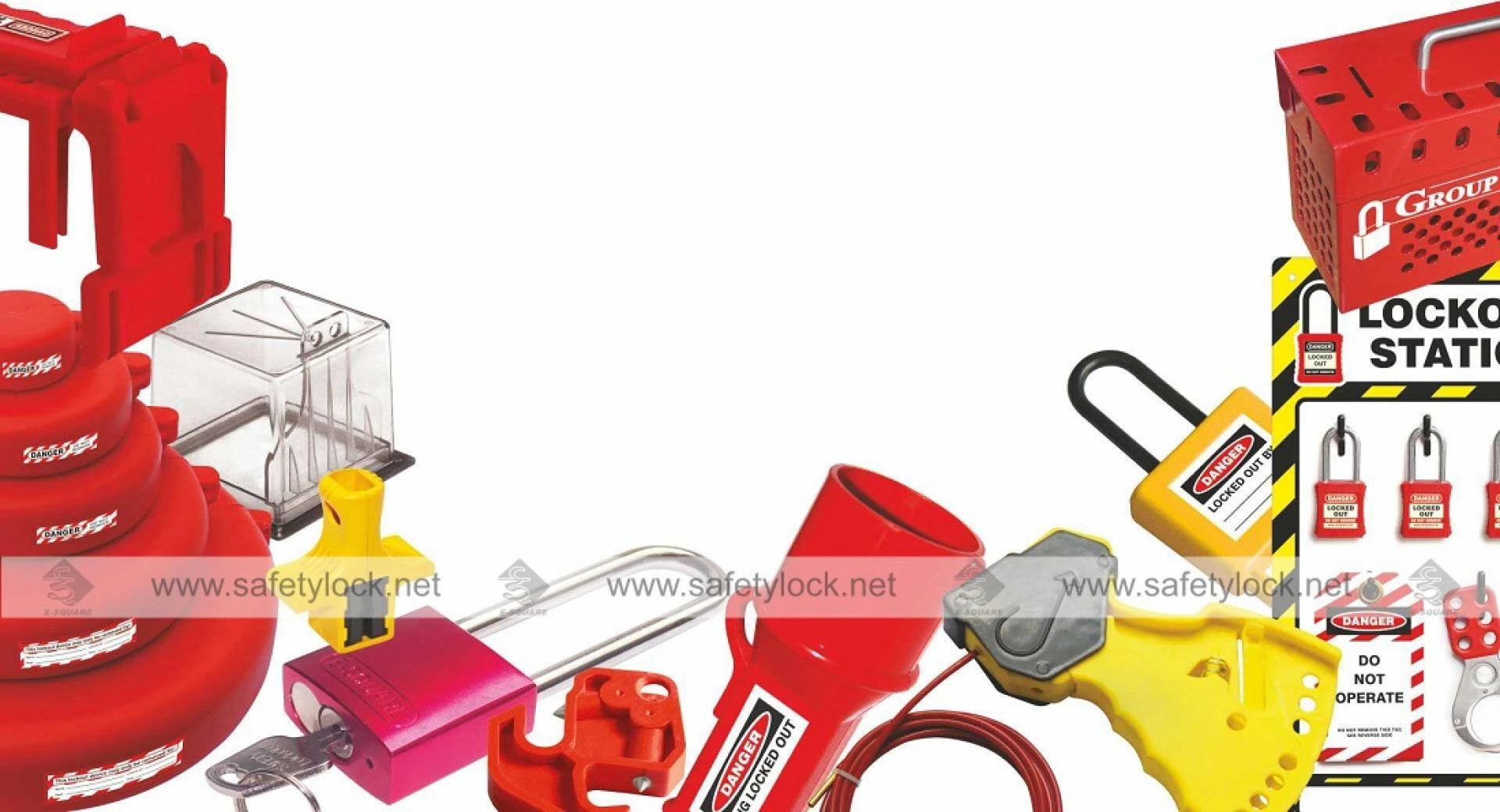
Heavy Duty Lockout Padlocks:
Padlocks as the basis of LOTO programs for heavy industry should be superior to regular locks, making them more durable and secure. Mining and steel facilities often utilize industrial-grade steel padlocks due to their ability to withstand impact or mishandling. Electrical isolation requires a non-conductive nylon body padlock, reducing the chance of a worker receiving an electrical shock, and being lighter than the former padlocks, allowing for easier access during the field work.
The key retaining system is very important because it will hold the key in place until the lockout padlock is placed in a secure position. This simple feature provides evidence that the lock has been placed in an unsecured position.
In highly hazardous industries, every authorized worker with unique keys should own their own padlock to ensure that no other worker has access to the energy isolation of that worker's padlock.
Lockout Hasps:
Heavy machinery is rarely serviced by one person alone. During shutdowns, multiple technicians may work on the same equipment. Safety lockout hasps allow more than one padlock to be attached to a single isolation point. Each worker applies their own lock. The machine cannot be restarted until every lock is removed.
Steel hasps are commonly used for durability. In tight or irregular spaces, flexible cable hasps provide better access and adaptability.
With the help of lockout hasp, group lockout procedure can be implemented in mining energy or heavy industry etc., where several teams may work simultaneously.
Valve Lockout Devices:
In energy and mining operations, valves control steam, slurry, compressed air, fuel, and hydraulic fluids. Improperly secured valves can release dangerous pressure or hazardous substances.
Gate valve lockouts enclose the wheel handle and prevent it from rotating. They are available in multiple sizes to accommodate large industrial valves.
Ball valve lockouts clamp onto the handle of the valve in order to prevent any movement occurring from the closed position.
Butterfly valve lockouts are larger than the ball valve lockouts and will help hold quarter-turn valves, which can also be installed in larger pipeline systems, in a fixed position.
The durability of valve lockouts should be able to withstand dust and corrosion, and must be made out of a material that will not corrode, especially if used outdoors in a mining type of environment.
Circuit Breaker Lockout Devices:
Hazardous electrical conditions can occur during the maintenance of heavy equipment or factory machines, making the use of circuit breaker lockouts invaluable. In addition to the traditional style of locking, additional types of breakers can also be locked using a Miniature Breaker Lock. Alternatively, large commercial breakers can be locked down using a heavy-duty Clamp-on breaker lock.
When properly sized, the lock should fit securely into the lock hole - it can prevent the circuit breaker from being reset manually. Reliable breaker lockout systems are very important in power plants and substations because their failure may lead to an arc flash, which may lead to incarceration.
Durable Lockout Tags:
A lock without a tag does not communicate enough information. Tags explain who applied the lock, the reason for isolation, and the date etc.
In heavy industry, tags must be tear-resistant and weatherproof. Laminated or polyester tags perform better in dusty and wet conditions. Clear writing space and strong attachment ties ensure that tags remain readable throughout the maintenance period.
Tags improve accountability and prevent accidental removal of someone else's lock.
Conclusion:
Energy, mining and heavy industry operate in some of the world's most dangerous environments. Using the proper lockout tagout products determines whether maintenance is performed safely with no risk to workers or if there will be accidental injuries, including loss of life.
The combination of heavy-duty padlocks, durable hasps, strong valve lockouts, secure breaker devices and durable lockout tags creates a complete isolation system. Careful selection and proper utilization of these products protect your workers and minimize operational downtime while enhancing overall safety performance.
For high-risk industries, quality LOTO devices are no longer optional tooling; they are critical toolsets used to protect the lives of our personnel.