
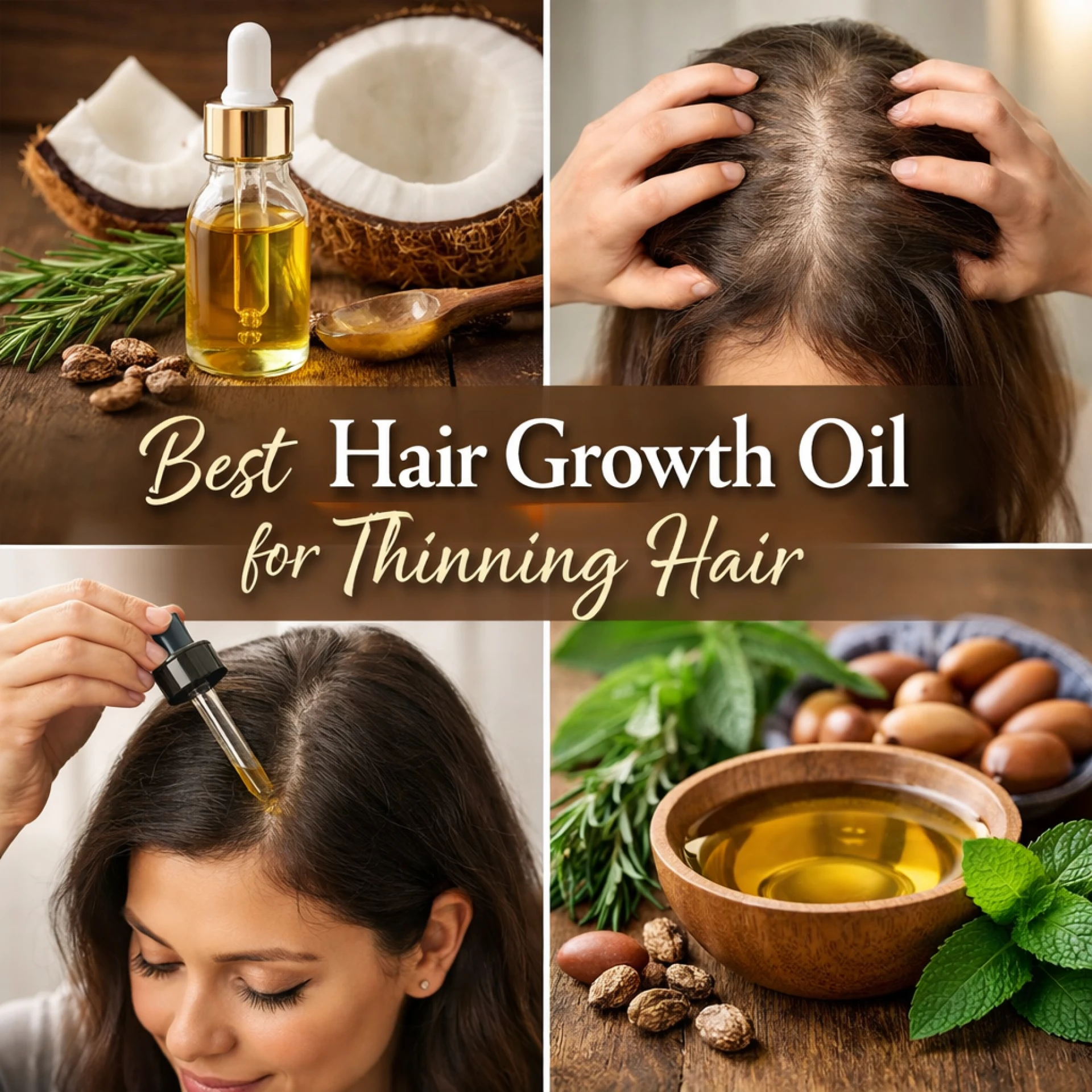
Hair thinning is one of those quiet concerns many people carry for years before talking about it. You might notice your ponytail feels slimmer, your part looks wider, or your hair doesn’t bounce back the way it used to. While thinning hair can feel discouraging, it’s also incredibly common—and in many cases, manageable with the right care routine. One option that has stood the test of time is using natural oils to support scalp health and hair strength.
Choosing the Best hair growth oil for thinning hair isn’t about chasing miracle cures or overnight results. Instead, it’s about understanding what causes thinning, how oils actually work, and how to use them consistently for long-term benefits. This guide walks you through everything you need to know in a realistic, evidence-based, and easy-to-understand way.
Understanding Why Hair Thins in the First Place
Before discussing oils, it’s important to understand what’s happening beneath the surface. Hair thinning is usually influenced by multiple factors rather than a single cause.
Common reasons for thinning hair include:
- Genetics: Family history plays a significant role in hair density and growth patterns.
- Hormonal changes: Pregnancy, menopause, thyroid imbalances, and stress hormones can disrupt the hair growth cycle.
- Nutritional gaps: Low levels of iron, protein, or essential fatty acids may weaken hair strands.
- Chronic stress: Prolonged stress can push hair follicles into a resting phase.
- Scalp health issues: Buildup, dryness, inflammation, or poor circulation can limit healthy growth.
Hair oils do not reverse genetic hair loss, but they can create a healthier environment for existing follicles to function at their best.
How Hair Growth Oils Actually Work
Hair growth oils don’t magically create new follicles. Instead, they support the scalp and hair strands in ways that can reduce breakage, strengthen roots, and improve growth conditions.
Here’s what well-formulated oils typically do:
- Improve blood circulation in the scalp
- Nourish hair follicles with essential fatty acids
- Reduce dryness and scalp irritation
- Strengthen hair shafts to minimize breakage
- Protect hair from environmental stress
When used regularly, oils can help hair appear thicker and healthier over time by preserving the hair you already have.
Key Ingredients to Look for in a Hair Growth Oil
Not all oils are created equal. Some nourish deeply, while others simply coat the hair without offering real benefits. The most effective formulas usually combine several proven ingredients.
Castor Oil
Castor oil is rich in ricinoleic acid, which helps support scalp circulation and moisture retention. It’s thick, so it’s often blended with lighter oils for easier application.
Coconut Oil
This oil penetrates the hair shaft better than many others, helping reduce protein loss and prevent breakage—an important factor for thinning hair.
Argan Oil
Known for its vitamin E content, argan oil improves hair elasticity and shine while protecting strands from damage.
Rosemary Oil
Often associated with scalp stimulation, rosemary oil supports circulation and may help maintain follicle activity when used consistently.
Peppermint Oil
Peppermint provides a cooling sensation that increases blood flow to the scalp, creating an energized environment for hair follicles.
Jojoba Oil
Jojoba closely mimics natural scalp oils, helping balance moisture and prevent clogged follicles.
Best Hair Growth Oil for Thinning Hair: What Makes One Truly Effective
When evaluating the Best hair growth oil for thinning hair, focus less on branding and more on formulation. An effective oil usually combines nourishing carrier oils with targeted essential oils, creating a balance between hydration and stimulation.
What truly matters is:
- Ingredient quality and purity
- Compatibility with your scalp type
- Consistency of use
- Proper application technique
An oil won’t deliver results if it sits unused on a shelf. Simplicity and routine are far more powerful than expensive packaging.
How to Use Hair Growth Oil Correctly
Even the most nourishing oil won’t help much if applied incorrectly. Technique and frequency matter.
Step-by-Step Application Guide
- Warm a small amount of oil between your palms.
- Apply directly to the scalp, focusing on thinning areas.
- Massage gently using circular motions for 5–10 minutes.
- Leave the oil on for at least 30 minutes or overnight if tolerated.
- Wash with a gentle, sulfate-free shampoo.
How Often Should You Oil Your Hair?
- Dry scalp: 2–3 times per week
- Normal scalp: 1–2 times per week
- Oily scalp: Once weekly
Over-oiling can clog pores, so moderation is key.
The Role of Scalp Massage in Hair Thickness
Scalp massage is often overlooked, but it’s one of the most effective complements to hair oiling. Massage improves blood flow, relaxes scalp tension, and helps oils absorb more efficiently.
Regular massage may:
- Increase oxygen delivery to follicles
- Reduce stress-related hair shedding
- Improve oil penetration
- Support healthier growth cycles
Even five minutes per session can make a noticeable difference over time.
Supporting Hair Growth Beyond Oils
Hair oils work best as part of a broader care routine. Thinning hair needs support from multiple angles.
Nutrition Matters
Healthy hair growth depends on nutrients such as:
- Protein
- Iron
- Zinc
- Omega-3 fatty acids
- Vitamins A, C, D, and E
Balanced meals often matter more than supplements unless a deficiency is present.
Gentle Hair Care Habits
- Avoid tight hairstyles that pull on roots
- Minimize heat styling
- Use wide-tooth combs
- Avoid aggressive towel-drying
Small daily habits compound into long-term results.
Realistic Expectations and Timelines
One of the biggest reasons people give up on hair oils is unrealistic expectations. Hair growth is slow by nature.
What to expect:
- First 4 weeks: Improved scalp comfort and less dryness
- 6–8 weeks: Reduced hair breakage and shedding
- 3–6 months: Noticeable improvement in hair strength and fullness
Consistency is far more important than switching products frequently.
Who Should Be Careful with Hair Growth Oils?
While oils are generally safe, some people should take precautions:
- Those with sensitive skin should patch-test first
- People with scalp conditions should consult a professional
- Essential oils should always be diluted properly
Natural doesn’t automatically mean irritation-free.
Final Thoughts on Choosing the Right Oil
Finding the right hair oil isn’t about trends—it’s about listening to your scalp and sticking to a routine that works for you. The Best hair growth oil for thinning hair is one that nourishes your scalp, strengthens your strands, and fits seamlessly into your lifestyle.
Hair thinning can feel emotional, but it doesn’t have to feel hopeless. With patience, consistency, and informed choices, oils can play a meaningful role in maintaining healthier, fuller-looking hair over time.