
Best Doctor for Back Pain Treatment in Panchkula: Effective Solutions for Lasting Relief and Better Mobility
Back pain is a common health concern that affects people of different age groups and can interfere with everyday activities, work, sleep, and physical movement. From mild muscle discomfort to persistent spinal pain, the condition can develop due to poor posture, muscle strain, disc problems, injuries, or age-related degenerative changes.
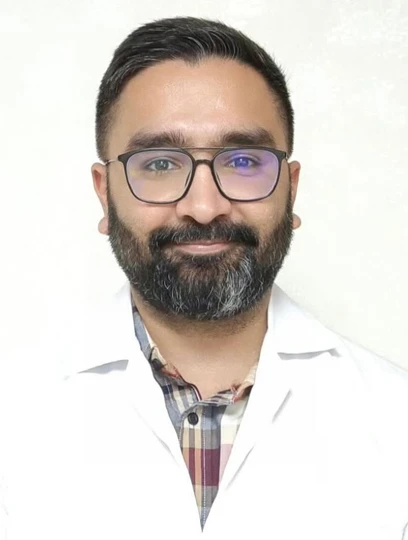
Ignoring persistent back pain may lead to worsening discomfort and restricted mobility. Early diagnosis and appropriate treatment can help identify the underlying cause and prevent further complications. If you are searching for the Best Doctor for Back Pain Treatment in Panchkula, Dr. Vikramjit Singh Baath provides orthopaedic consultation and personalised treatment guidance for various musculoskeletal conditions.
What Are the Common Causes of Back Pain?
Back pain can develop due to several medical and lifestyle-related factors. Some of the most common causes include:
- Muscle and Ligament Strain: Heavy lifting, sudden movements, and prolonged poor posture can strain the muscles and ligaments supporting the spine.
- Herniated or Bulging Discs: Damaged spinal discs may irritate or compress nearby nerves, causing pain and sometimes numbness or weakness.
- Degenerative Disc Disease: Age-related changes in spinal discs can contribute to stiffness and chronic discomfort.
- Spinal Arthritis: Osteoarthritis and other degenerative conditions may affect spinal joints and reduce flexibility.
- Spinal Stenosis: Narrowing of the spinal canal can put pressure on nerves and cause pain or difficulty walking.
- Injuries and Trauma: Falls, accidents, and sports injuries can damage spinal structures and surrounding tissues.
Identifying the exact cause is essential for selecting the most suitable treatment.
Common Symptoms That Require Medical Attention
Back pain can present differently depending on its underlying cause. Common symptoms include:
- Persistent pain in the upper or lower back.
- Stiffness and restricted spinal movement.
- Pain spreading towards the hips, buttocks, or legs.
- Tingling or numbness in the legs.
- Muscle spasms and discomfort while bending.
- Difficulty standing or walking for extended periods.
- Pain that interferes with sleep and daily activities.
Severe or progressive weakness, new bladder or bowel control problems, or numbness around the groin require urgent medical assessment.
How Is Back Pain Diagnosed?
Accurate diagnosis is important for understanding the source of back pain and developing an effective treatment plan.
An orthopaedic specialist may recommend:
Medical History: Understanding the duration, location, intensity, and pattern of pain, along with previous injuries and medical conditions.
Physical Examination: Checking spinal movement, muscle strength, reflexes, posture, and nerve function.
X-rays: Helping identify fractures, alignment abnormalities, and degenerative changes.
MRI Scans: Providing detailed images of spinal discs, nerves, ligaments, and surrounding soft tissues when clinically indicated.
CT Scans: Offering detailed information about bone structures and complex spinal conditions.
Not every patient requires imaging. Investigations are selected according to symptoms and clinical findings.
Non-Surgical Treatment Options for Back Pain
Many cases of back pain improve with appropriate non-surgical treatment. Depending on the diagnosis, treatment may include:
1. Medication: Prescribed pain-relieving and anti-inflammatory medicines may help manage symptoms when appropriate.
2. Physiotherapy: Targeted exercises can improve flexibility, strengthen core muscles, and support spinal stability.
3. Posture Correction: Improving sitting, standing, and lifting habits can reduce unnecessary stress on the spine.
4. Heat and Cold Therapy: These methods may provide temporary relief from muscle discomfort and inflammation.
5. Lifestyle Modifications: Maintaining a healthy weight, staying physically active, and avoiding prolonged inactivity can support spinal health.
Conservative treatment is generally considered before surgery unless there are specific clinical reasons for earlier intervention.
Advanced Surgical Treatments for Severe Back Pain
Surgery may be considered when conservative treatment does not provide sufficient relief or when significant nerve compression, spinal instability, or other serious structural problems are present.
Depending on the diagnosis, surgical options may include:
- Microdiscectomy: Removal of the portion of a herniated disc compressing a nerve.
- Spinal Fusion: Joining two or more vertebrae to improve spinal stability in selected conditions.
- Laminectomy: Removing a portion of bone or tissue to relieve pressure on spinal nerves.
- Artificial Disc Replacement: Replacing a severely damaged disc with an artificial implant in suitable patients.
The choice of surgery depends on the patient's condition, examination findings, imaging results, and overall health.
Importance of Rehabilitation After Back Pain Treatment
Rehabilitation plays an important role in improving spinal function and reducing the chances of recurring discomfort.
A personalised recovery programme may include:
- Core strengthening exercises.
- Gentle stretching and flexibility training.
- Posture and ergonomic education.
- Gradual improvement in physical activity.
- Safe lifting and movement techniques.
- Regular follow-up and progress assessment.
Following professional guidance during rehabilitation can help patients return to their daily activities more comfortably.
Effective Ways to Prevent Back Pain
Simple lifestyle changes can help reduce stress on the spine and support long-term back health.
- Maintain proper posture while sitting and standing.
- Avoid lifting heavy objects incorrectly.
- Exercise regularly to strengthen back and abdominal muscles.
- Take breaks during prolonged sitting.
- Maintain a healthy body weight.
- Use appropriate ergonomic furniture.
- Follow a balanced lifestyle with adequate physical activity.
Why Consult Dr. Vikramjit Singh Baath for Back Pain Treatment in Panchkula?
Choosing the right orthopaedic specialist is important for identifying the cause of back pain and receiving appropriate treatment.
Dr. Vikramjit Singh Baath is an Orthopaedic and Joint Replacement Surgeon providing orthopaedic care to patients in Panchkula, Mohali, and Zirakpur.
His areas of expertise include:
- Back Pain Management.
- Trauma and Fracture Management.
- Joint Replacement Surgery.
- Sports Injury Treatment.
- ACL Reconstruction.
- Advanced Orthopaedic Treatments.
His patient-focused approach emphasises accurate diagnosis, individualised treatment planning, appropriate non-surgical management, and surgical guidance when required.
Patients experiencing persistent back pain, spinal discomfort, or movement difficulties can seek an orthopaedic consultation to understand their condition and available treatment options.
Conclusion
Back pain can affect mobility, productivity, and overall quality of life. However, timely diagnosis, appropriate treatment, and structured rehabilitation can help manage symptoms and improve spinal function.
If you are looking for the Best Doctor for Back Pain Treatment in Panchkula, consult Dr. Vikramjit Singh Baath for professional orthopaedic guidance and personalised treatment planning.
Contact Dr. Vikramjit Singh Baath
Address: DSS-265, Sector 20, Panchkula
Call Us: +91 89686-41726
Email: [email protected]
Website: https://drvikramjitsinghbaath.com
Related Orthopaedic Treatment
Learn more about fracture diagnosis, treatment, and recovery: