Shipping a high-value vehicle is not the same as shipping a regular daily-use car.
A classic Mustang, restored Corvette, Bentley, Ferrari, Porsche, or custom-built vehicle may need extra protection during loading, transport, and delivery. The right shipping method can help reduce the risk of scratches, road debris, weather exposure, and improper handling.
For most expensive, classic, or luxury vehicles, the best choice is usually enclosed car transport. However, the safest option also depends on the vehicle’s value, condition, ground clearance, route, and delivery timeline.
This guide explains what to look for before choosing a car shipping service in the USA.
Why Valuable Vehicles Need Extra Care
Luxury and collector vehicles often have features that make transportation more complicated.
They may have:
- Low ground clearance
- Custom paint or bodywork
- Rare replacement parts
- Expensive wheels and tires
- Modified suspension
- Delicate interiors
- High resale or sentimental value
Even a small scrape can become expensive to repair. That is why vehicle owners should focus on the complete shipping process, not just the lowest quote.
A good auto transport service should match the carrier, trailer, loading method, and insurance coverage to the vehicle being shipped.
Is Enclosed Car Shipping Worth It?
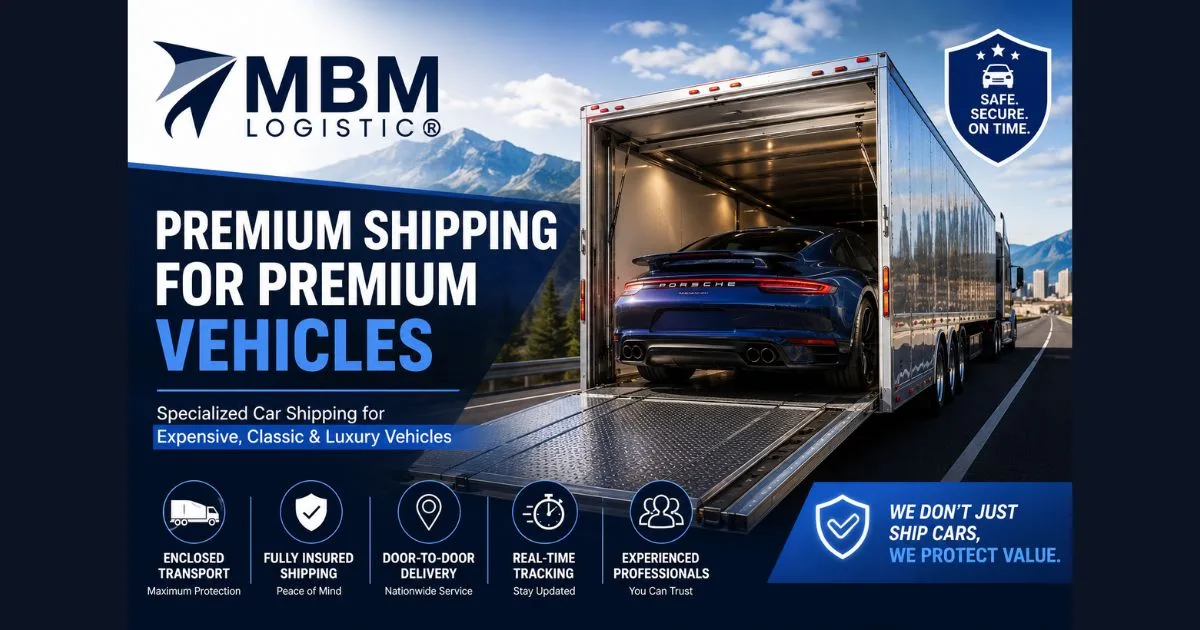
For high-value vehicles, enclosed auto transport is often worth the extra cost.
Unlike open trailers, enclosed carriers place the vehicle inside a covered trailer. This helps protect it from rain, dust, road salt, gravel, and flying debris.
Enclosed transport is commonly used for:
- Classic cars
- Exotic vehicles
- Luxury cars
- Restored vehicles
- Custom-painted cars
- Auction purchases
- Limited-edition models
For example, someone shipping a Porsche from Miami to New York or a restored Camaro from Dallas to Los Angeles may prefer enclosed transport because the vehicle is protected throughout most of the trip.
That does not mean open transport is unsafe. Open car shipping is widely used across the USA and works well for standard vehicles. Enclosed shipping simply offers another level of protection for cars that are expensive, rare, or difficult to repair.
Ask How the Vehicle Will Be Loaded
The loading process matters, especially for low-clearance vehicles.
Sports cars and modified classics may scrape when driven onto a steep carrier ramp. Front splitters, side skirts, exhaust systems, and lower bumpers can be damaged if the loading angle is too sharp.
For low vehicles, ask whether the carrier uses:
- Hydraulic liftgate loading
- Extended loading ramps
- Race ramps
- Soft straps
- Wheel nets
Liftgate loading allows the vehicle to be raised more evenly instead of being driven up a steep ramp.
Before booking luxury car shipping, tell the shipping company about any lowered suspension, body kits, oversized wheels, mechanical problems, or special starting instructions.
The more accurate the information, the easier it is to arrange the right equipment.
Check Insurance Before Pickup
Do not assume every insurance policy offers the same protection.
Ask for the carrier’s cargo insurance information before the vehicle is loaded. Review the coverage limit and confirm that the policy is active.
You should also ask:
- What type of damage is covered?
- Are there any vehicle-value limits?
- Is there a deductible?
- Are custom parts covered?
- What documents are needed for a claim?
If the vehicle is worth a significant amount, make sure the coverage is suitable for that value.
A trustworthy vehicle shipping service should be able to explain the insurance process clearly. Avoid relying only on verbal promises.
Take Photos Before Shipping
One of the easiest ways to protect yourself is to document the vehicle before pickup.
Wash the car so any existing marks can be seen clearly. Then take photos and videos in good lighting.
Capture:
- The front and rear
- Both sides
- Wheels and tires
- Hood and roof
- Windshield
- Lower bumpers
- Interior
- Odometer reading
- Existing scratches or dents
At pickup, inspect the condition report on the Bill of Lading before signing it.
At delivery, check the vehicle again before the driver leaves. Compare it with your original photos and make sure any issue is written on the delivery paperwork.
Prepare the Vehicle Properly
Good preparation can prevent small problems during transportation.
Before pickup:
- Remove personal belongings
- Take out toll tags
- Remove loose accessories
- Secure spoilers or removable parts
- Disable the alarm
- Check the battery
- Check tire pressure
- Leave about one-quarter tank of fuel
- Report any fluid leaks
If the vehicle does not run, tell the transporter in advance. Non-running car shipping often requires a winch and additional planning.
A vehicle that rolls, steers, and brakes is usually easier to load than one with locked wheels or steering problems.
Choose Door-to-Door Shipping Carefully
Door-to-door car shipping is convenient because the vehicle is picked up and delivered as close as possible to the requested addresses.
However, large carriers may not be able to enter every street.
This is common in areas with:
- Narrow roads
- Low tree branches
- Weight restrictions
- Gated communities
- Tight turns
- Busy downtown streets
- Steep driveways
In cities such as New York, Chicago, Boston, San Francisco, or Los Angeles, the driver may ask to meet at a nearby parking area, shopping center, or wide street.
Choose a location that is safe and easy for a large trailer to enter and exit.
Do Not Choose a Quote Based on Price Alone
A low quote may look attractive, but it does not always include the service your vehicle needs.
Before accepting a quote, confirm:
- Open or enclosed trailer
- Insurance details
- Loading equipment
- Pickup window
- Delivery estimate
- Vehicle condition requirements
- Cancellation terms
- Extra fees
For cross-country car shipping, prices can change depending on distance, fuel costs, season, route demand, and carrier availability.
For example, shipping from California to Florida may cost more during snowbird season. Shipping a classic car to or from a major auction in Arizona, Nevada, or Florida may also be more expensive when carrier demand is high.
The goal should be to find the right service, not simply the cheapest number.
Book Early When Possible
Expensive and classic vehicles often require specific equipment, so it is better to book early.
Booking in advance gives you more time to find:
- Enclosed carrier availability
- Liftgate-equipped trailers
- Experienced drivers
- Better pickup options
- More realistic delivery dates
You may need expedited car shipping if the vehicle must be collected quickly, but faster service can cost more.
Weather, traffic, road closures, and federal driving-hour rules can also affect delivery. A realistic delivery window is more trustworthy than a promise that ignores these factors.
Final Tips Before You Ship
Before handing over the keys, make sure you have:
- Chosen the right trailer type
- Confirmed insurance coverage
- Shared all vehicle modifications
- Taken clear photos
- Removed loose items
- Checked the Bill of Lading
- Confirmed pickup and delivery access
- Saved all shipping documents
The best classic car shipping experience starts with preparation. When the transporter knows exactly what kind of vehicle is being moved, it becomes easier to arrange proper loading, protection, and delivery.
Frequently Asked Questions
What is the safest way to ship an expensive car?
The safest method is usually enclosed car transport with proper insurance, experienced loading, and equipment suitable for the vehicle’s ground clearance.
Should I use open or enclosed transport for a classic car?
Enclosed transport is generally better for rare, restored, high-value, or custom-painted vehicles. Open transport may still work for standard classics when the owner is comfortable with outdoor exposure.
How much does luxury car shipping cost?
The price depends on distance, vehicle size, season, trailer type, route, condition, and pickup timing. Enclosed shipping usually costs more than open transport.
Are classic cars insured during shipping?
Carriers should have cargo insurance, but coverage limits and exclusions vary. Always review the insurance details before pickup.
Can a luxury car with low ground clearance be shipped?
Yes. Low-clearance vehicles can be shipped, but they may require liftgate loading, extended ramps, or other special equipment to prevent scraping.