A day at the beach sounds simple enough. Shorts, a T-shirt, sunglasses, and something comfortable on your feet.
In practice, footwear can make a surprisingly large difference.
Hot sand, sharp stones, wet boardwalks and slippery surfaces all create different demands. A pair that feels fine for a short walk from the car park may become uncomfortable after several hours, while footwear designed purely for the water may not be particularly useful once you leave the beach.
That is why finding the best beach shoes for men is less about choosing the most fashionable pair and more about thinking about how you will actually spend the day.
Will you be swimming? Walking along the promenade? Exploring rocky coves? Sitting on the sand for hours? Perhaps all four.
The right choice depends on the answer.
Choosing the best beach shoes for men
There is no single style that works for every beach.
For sandy beaches, lightweight footwear that is easy to remove can be particularly convenient. Nobody wants to spend ten minutes trying to empty half the beach from a pair of complicated shoes.
For rocky coastlines, however, protection becomes more important. Bare feet and sharp stones are not an ideal combination, particularly around tidal pools or uneven entrances to the water.
Water-friendly shoes can be useful in these situations because they provide a physical barrier between your feet and the ground while allowing you to move comfortably in and around shallow water.
Then there is the question of walking.
If your holiday involves coastal paths, harbour towns or long promenades, you may want something with more structure and cushioning than a basic water shoe. A little extra support can become very noticeable after several miles.
This is where men’s beach-ready shoes can be particularly useful. The phrase covers a broader idea than footwear designed solely for swimming: shoes that can handle the relaxed, practical demands of a beach day while remaining wearable elsewhere.
What makes a good beach shoe?
The first thing to consider is the material.
Beach footwear is exposed to salt water, sand, heat, and moisture, so materials need to cope with conditions that ordinary casual shoes may rarely encounter. Quick-drying fabrics can be useful around water, while lightweight synthetic materials are often easier to clean after a sandy day.
Drainage is another practical consideration.
If you intend to wear your shoes in the water, think about what happens when water gets inside. A shoe that holds moisture for hours can become uncomfortable quickly. Designs that allow water to escape and dry reasonably quickly are generally more suitable for this type of use.
The sole also deserves attention.
A beach shoe does not necessarily need a heavy, aggressive tread, but it should provide dependable traction on the surfaces you expect to encounter. Wet paving, rocks, and wooden decking can all become slippery.
There is a balance to strike. A very soft sole may feel pleasant on sand but provide less protection on rough ground. A highly structured sole can offer more support but may feel unnecessary for a relaxed day beside the sea.
Think about the whole day rather than one surface.
Sand, water and grip: the practical considerations
Sand is deceptively difficult footwear territory.
Fine sand can work its way into almost any opening, while wet sand creates a different walking surface altogether. Shoes with complicated uppers or exposed cushioning can become awkward to clean.
If your typical beach trip involves nothing more strenuous than walking from the towel to the water, simplicity has its advantages.
Water presents another challenge. Saltwater can affect materials over time, while repeated exposure to moisture can create odours if footwear is not dried properly.
After swimming or paddling, rinse suitable footwear with fresh water where the manufacturer’s care instructions allow it. Removing salt and sand before drying can help prevent them accumulating in seams and moving parts.
Grip becomes particularly important when the beach day includes rocks, harbour areas or coastal paths.
A sole that performs well on dry sand is not automatically effective on wet rock. If you regularly visit beaches with uneven or slippery access points, look for footwear specifically designed to provide traction in wet conditions.
Small details matter here.
Comfort matters more than appearance
Beach footwear is often bought as an afterthought, which can lead to an uncomfortable compromise.
The shoe may look good but rub after an hour. Or it may feel fine when standing still but become tiring during a long walk along the coast.
Fit should therefore be considered from the start.
Your heel should remain reasonably secure, while your toes need enough room to move naturally. If the shoe is intended for use in water, it should not feel so loose that it comes away from the foot when walking.
Straps, fastenings and seams should also be checked for potential rubbing points.
This is particularly relevant on holiday, when people often walk more than they expect. A beach day can easily turn into several hours of walking without anyone really noticing.
A comfortable shoe tends to disappear into the background. That is exactly what you want from it.
When beach shoes need to do more
Some men want dedicated footwear for the beach. Others would rather take one or two versatile pairs on holiday and make them work across different situations.
The second approach can make sense when luggage space is limited.
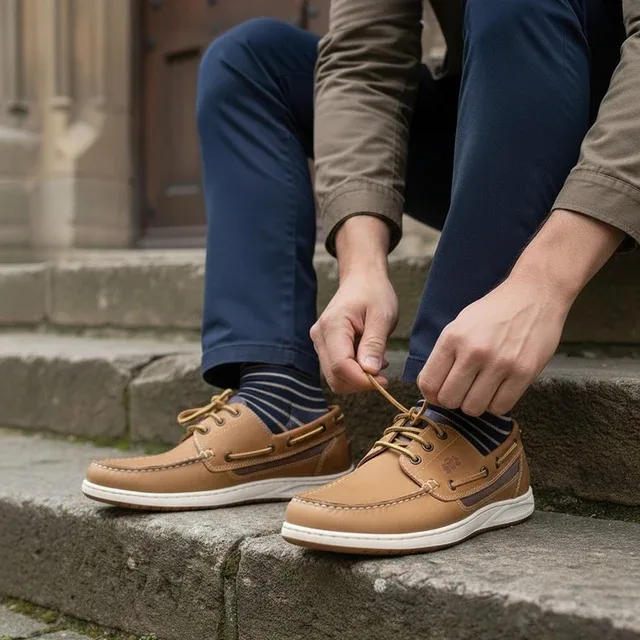
A pair of smart-casual shoes might cover dinner and evening drinks, while lightweight men’s beach-ready shoes handle daytime activities. If the latter are comfortable enough for a promenade or town walk, they become much more useful than footwear designed exclusively for the sand.
There is also a place for more substantial footwear on certain trips.
If your holiday involves countryside walking, changing weather or cooler evenings, a well-made casual shoe or boot may earn its place in the suitcase. For example, Goodyear welt boots for men are built around a construction method known for durability and repairability, making them quite different from lightweight beach footwear but useful in a broader holiday wardrobe.
The point is not to make one pair do everything. It is to avoid taking several pairs that perform almost identical jobs.
Catesby England, for example, focuses on men’s footwear across different styles and occasions, making it useful to think about holiday shoes as part of a wider wardrobe rather than buying footwear purely for one activity.
Building a versatile holiday footwear collection
For a typical warm-weather break, three categories can cover a surprising amount of ground.
First, choose something genuinely suitable for the beach and water. This should prioritise grip, comfort, drainage and easy maintenance.
Second, have a casual walking option. Depending on the destination, this could be a trainer, lightweight canvas shoe or another breathable style that works with shorts and casual trousers.
Finally, consider something smarter for evenings.
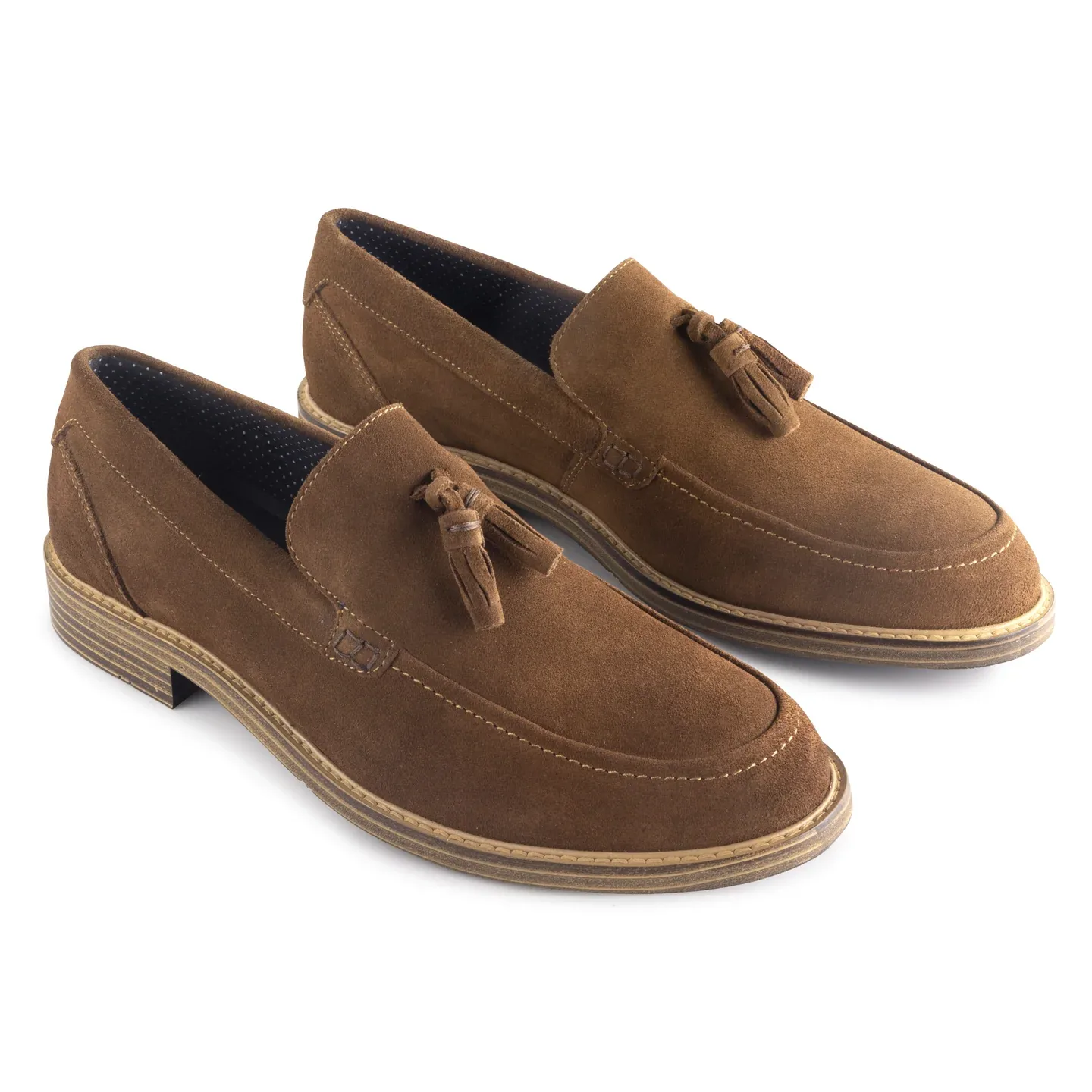
It does not need to be formal. A clean leather or suede-style shoe can often work with chinos, tailored shorts or lightweight trousers without taking up too much room in the suitcase.
The key is versatility.
A shoe that works with several outfits and activities will usually get far more use than something bought for a single photograph or occasion.
Caring for beach footwear
Beach shoes have a fairly tough life, but a little maintenance can extend it.
After exposure to seawater, rinse the footwear with fresh water if appropriate. Remove sand before storing it and allow it to dry fully in a well-ventilated place.
Avoid intense direct heat. A radiator may seem like an obvious shortcut for drying wet shoes, but excessive heat can affect adhesives and certain materials.
Storage matters too.
Do not put damp footwear straight into a closed suitcase or cupboard. Give it time to dry properly first, particularly after a day spent in humid conditions.
It is basic care, but beach footwear often gets neglected because it is considered casual or inexpensive. Looking after it can make the difference between a pair lasting one holiday and remaining useful for several summers.
FAQ
What are the best beach shoes for men?
The right choice depends on how you use them. For swimming and rocky beaches, prioritise water-friendly materials, drainage and grip. For longer coastal walks, cushioning, support and a secure fit become more important.
Can men’s beach ready shoes be worn away from the beach?
Yes, depending on the design. Lightweight styles can work well for promenades, casual sightseeing and warm-weather everyday wear, provided they offer enough comfort and support for the activity.
Should beach shoes be waterproof?
Not necessarily. If they are intended to be worn in the water, allowing water to drain quickly can be more useful than trying to keep the foot completely dry.
What should I look for in beach footwear?
Consider grip, fit, drainage, materials, weight and ease of cleaning. Think about the surfaces you will encounter rather than choosing based purely on appearance.