Benefits of Early Intervention for Autism Spectrum Disorder
Understanding Autism Spectrum Disorder
Autism Spectrum Disorder (ASD) is a neurodevelopmental condition that affects how a child communicates, interacts socially, and processes information. Children with autism may show differences in speech, behavior, sensory responses, and social interaction. Since autism presents differently in every child, early identification and support are essential. Early intervention centre for autism focuses on addressing developmental challenges during the most critical years of brain growth, offering children the best opportunity to build essential skills.
What Is Early Intervention for Autism?
Early intervention refers to therapy and support services provided to children with autism at a young age, typically before the age of five. These services may include speech therapy, occupational therapy, behavioral therapy, and parent training. The goal of early intervention is to support communication, social interaction, learning, and daily living skills while encouraging positive developmental progress.
Why Early Intervention Matters
The early years of life are a period of rapid brain development. During this time, the brain is highly adaptable and responsive to learning. Early intervention takes advantage of this developmental window, helping children with autism acquire skills more effectively. Research and clinical experience consistently show that children who receive early support often demonstrate better long-term outcomes than those who begin therapy later.
Improving Communication Skills
One of the most significant benefits of early intervention for autism is improved communication. Many children with ASD experience delays in speech and language development or have difficulty using language meaningfully. Early intervention supports both verbal and non-verbal communication skills, helping children express their needs, understand others, and engage more effectively in social interactions. Speech therapy introduced early can greatly enhance a child’s ability to communicate.
Enhancing Social Interaction and Relationships
Children with autism may find social interactions challenging, including making eye contact, sharing attention, or responding to social cues. Early intervention helps children develop foundational social skills in a supportive and structured environment. Through guided play and interaction, children learn how to connect with others, build relationships, and participate more confidently in social settings.
Supporting Behavioral and Emotional Regulation
Behavioral challenges such as tantrums, rigidity, or difficulty managing emotions are common in children with autism. Early intervention helps children learn coping strategies and adaptive behaviors. Behavioral therapies focus on understanding the reasons behind certain behaviors and teaching appropriate alternatives. This support helps children regulate emotions, reduce frustration, and navigate daily routines more comfortably.
Strengthening Learning and Cognitive Skills
Early intervention plays a vital role in supporting learning and cognitive development. Children with autism may have unique learning styles and benefit from individualized teaching approaches. Early therapy helps improve attention, problem-solving, memory, and understanding of concepts. These skills form a strong foundation for future academic learning and independence.
Encouraging Independence in Daily Activities
Daily living skills such as eating, dressing, and following routines can be challenging for children with autism. Early intervention helps children develop these essential skills through structured and supportive practice. Encouraging independence at a young age builds confidence and reduces reliance on caregivers as children grow older.
Supporting Families and Caregivers
Early intervention not only benefits children but also supports families. Parents often feel overwhelmed or unsure after an autism diagnosis. Early intervention programs provide guidance, education, and emotional support for families. Therapists work closely with parents to teach strategies that can be used at home, empowering families to actively support their child’s development.
Improving Long-Term Outcomes
Children who receive early intervention for autism often show improvements in communication, social skills, and adaptive behavior over time. Early support can reduce the need for intensive services later in life and increase opportunities for inclusion in school and community settings. While autism is a lifelong condition, early intervention helps children reach their full potential and improves quality of life.
Importance of Individualized Intervention Plans
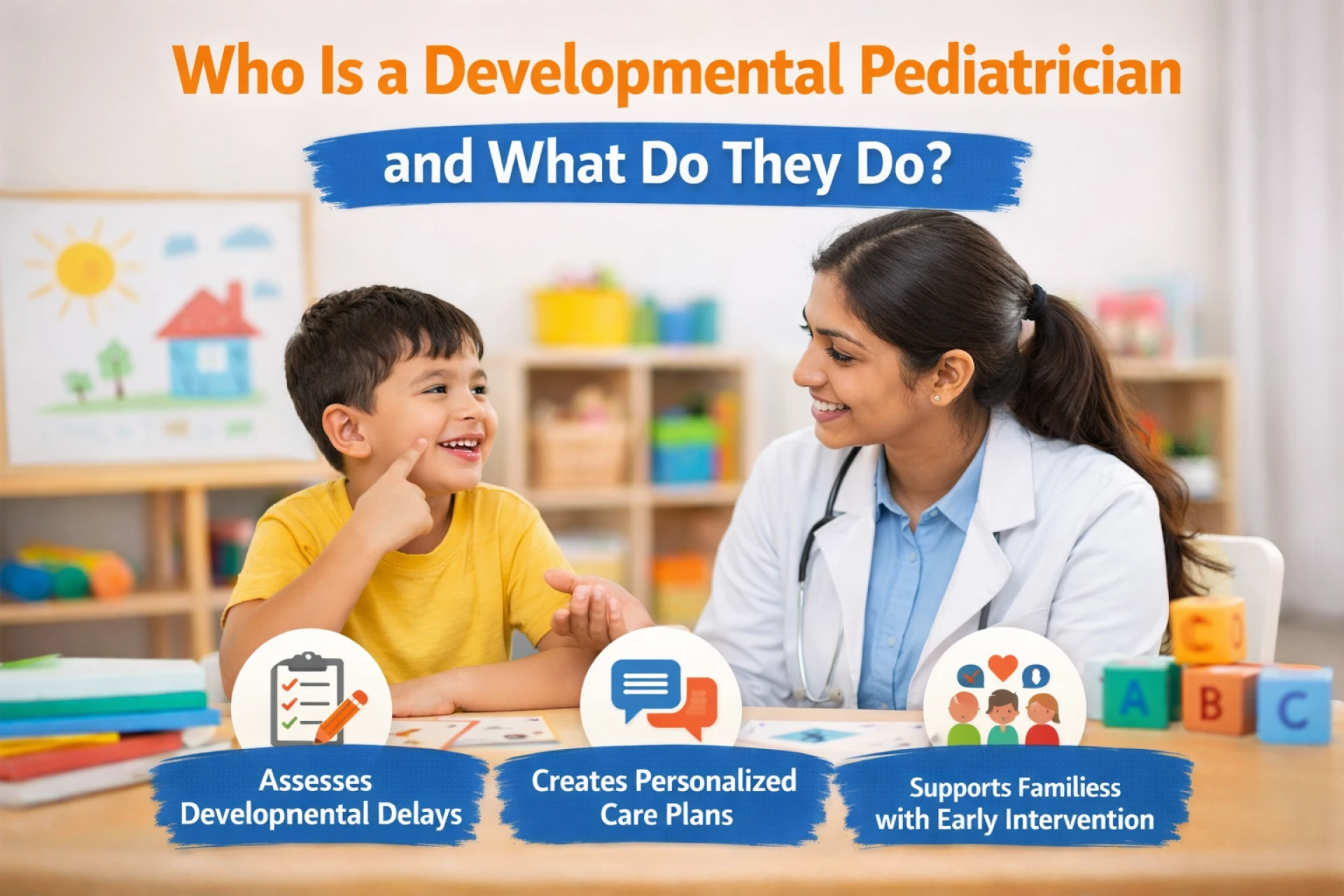
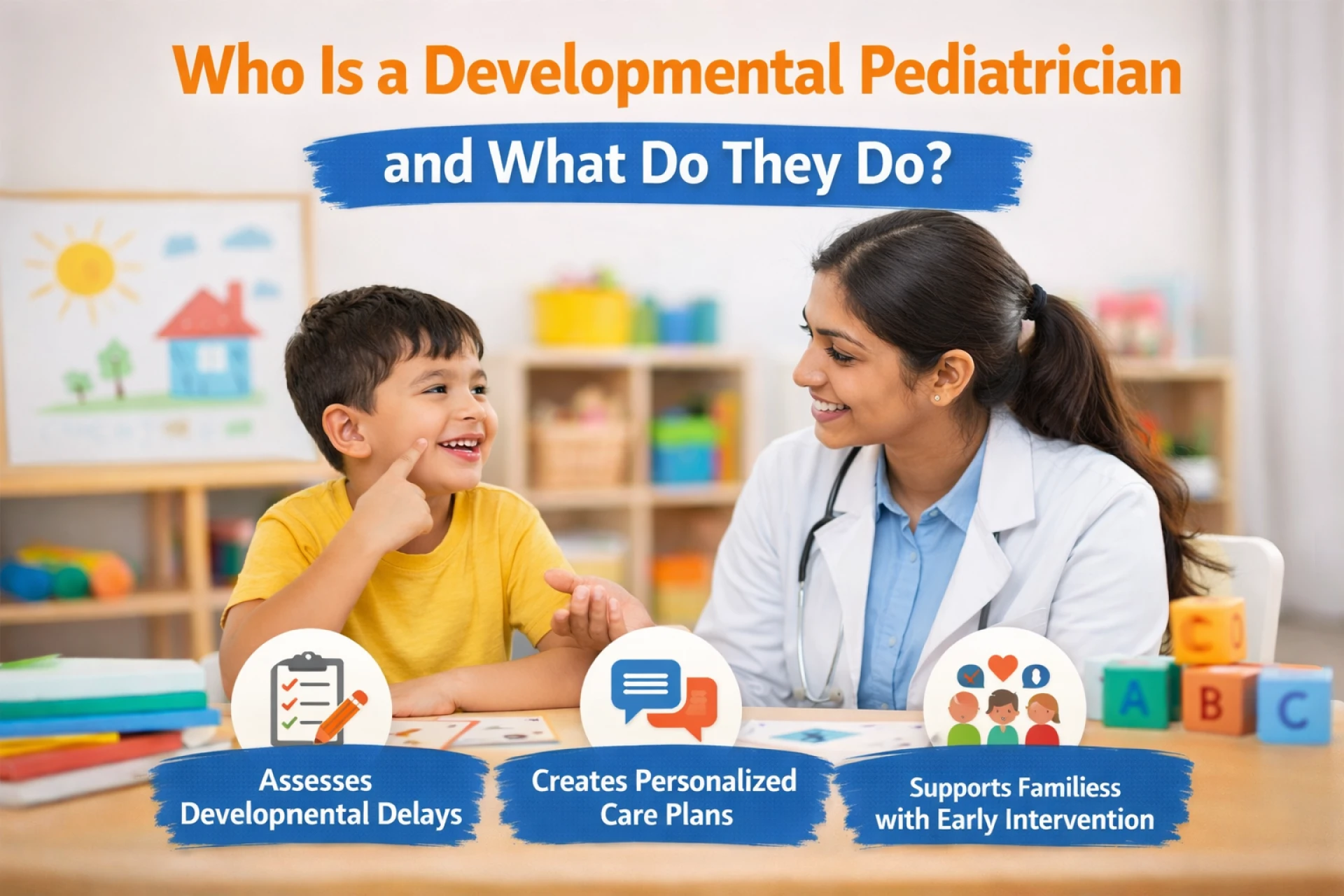
Every child with autism is unique, and early intervention programs are tailored to meet individual needs. Developmental assessments help identify strengths and challenges, allowing therapists to create personalized intervention plans. This individualized approach ensures that therapy targets areas that will have the greatest impact on the child’s development.
Role of Multidisciplinary Support
Early intervention for autism often involves a team of professionals, including speech therapists, occupational therapists, behavioral specialists, and developmental pediatricians. This multidisciplinary approach ensures that all aspects of a child’s development are addressed in a coordinated manner. Collaboration among professionals leads to more effective and comprehensive care.
Final Thoughts
Early intervention plays a crucial role in supporting children with Autism Spectrum Disorder during their most important developmental years. By improving communication, social interaction, behavior, and learning skills, early intervention helps children build a strong foundation for the future. Seeking early support empowers both children and families, offering hope, guidance, and meaningful progress. Early intervention does not change who a child is, but it helps them develop the skills they need to thrive in their own unique way.