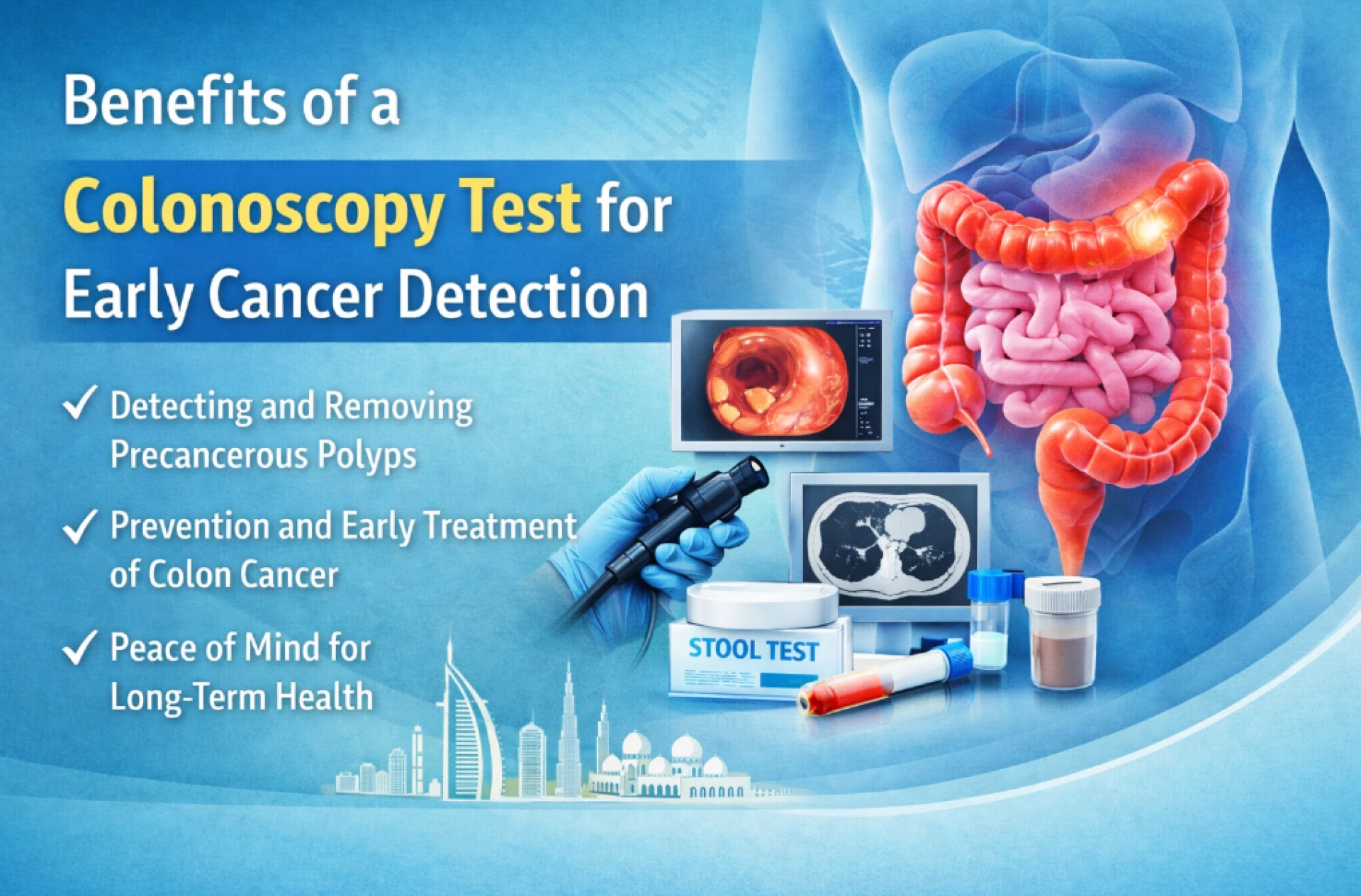
Colon cancer is one of the most common types of cancer worldwide, but it is also one of the most preventable when detected early. A colonoscopy test plays a crucial role in identifying early signs of colorectal cancer and preventing the disease from progressing. Doctors often recommend this screening test for adults, especially those over the age of 45 or individuals with certain risk factors.
Understanding the benefits of a colonoscopy test can help people make informed decisions about their health and take proactive steps toward cancer prevention.
What Is a Colonoscopy Test?
A colonoscopy test is a medical procedure used to examine the inside of the colon and rectum. During the procedure, a doctor inserts a thin, flexible tube with a small camera into the rectum to view the lining of the colon.
This advanced imaging allows healthcare professionals to detect abnormalities such as polyps, inflammation, or early signs of cancer. If polyps are found, they can often be removed immediately during the procedure, preventing them from developing into cancer later.
Why Early Detection Matters
Early detection is one of the most important factors in successfully treating colon cancer. In its early stages, colon cancer may not cause noticeable symptoms, which is why screening tests like colonoscopy are essential.
When cancer is detected early, treatment options are usually less invasive and more effective. Survival rates are also significantly higher for patients whose cancer is diagnosed at an early stage.
Regular colonoscopy screenings allow doctors to monitor colon health and detect problems before they become serious.
Key Benefits of a Colonoscopy Test
A colonoscopy test offers several important benefits that contribute to better health outcomes.
Early Detection of Cancer
One of the biggest advantages of a colonoscopy test is its ability to detect colon cancer in its earliest stages. Early-stage cancers are easier to treat and often require less aggressive treatment.
Detecting cancer early also improves the chances of a full recovery.
Prevention Through Polyp Removal
Colon cancer often begins as small growths called polyps in the lining of the colon. While not all polyps become cancerous, some may develop into cancer over time.
During a colonoscopy, doctors can remove these polyps before they turn into cancer, making the procedure both a diagnostic and preventive tool.
Accurate Diagnosis
A colonoscopy provides a clear and detailed view of the colon. This allows doctors to accurately identify abnormalities, inflammation, bleeding, or other digestive conditions.
Because of its accuracy, colonoscopy is considered the gold standard for colorectal cancer screening.
Long-Term Health Monitoring
For individuals at higher risk of colon cancer, regular colonoscopy tests help monitor changes in colon health. Doctors can track potential issues over time and recommend appropriate follow-up care.
This proactive approach helps reduce the risk of serious complications in the future.
Peace of Mind
Another important benefit of a colonoscopy test is the reassurance it provides. Knowing that your colon health has been thoroughly examined can help reduce anxiety about potential health issues.
Many people delay screening because they feel nervous about the procedure, but modern techniques make colonoscopy safe, quick, and generally comfortable for patients.
Who Should Get a Colonoscopy Test?
Healthcare experts typically recommend that adults begin colon cancer screening at age 45. However, some individuals may need to start earlier depending on their personal or family medical history.
You may need a colonoscopy test sooner if you have:
- A family history of colon cancer
- A personal history of colon polyps
- Inflammatory bowel diseases such as Crohn’s disease or ulcerative colitis
- Unexplained digestive symptoms such as persistent abdominal pain or bleeding
Your doctor can help determine the right screening schedule based on your health and risk factors.
Preparing for a Colonoscopy Test
Preparation is an important part of a successful colonoscopy test. Before the procedure, patients usually follow a special diet and take medication to clean the colon. This allows doctors to clearly see the lining of the colon during the examination.
The procedure itself typically takes about 30 to 60 minutes and is usually performed under mild sedation. Most patients can return home the same day and resume normal activities shortly afterward.
Encouraging Preventive Healthcare
Raising awareness about colonoscopy tests is essential for reducing the number of colorectal cancer cases worldwide. Preventive healthcare and routine screening play a major role in protecting long-term health.
By scheduling regular colonoscopy tests and adopting healthy lifestyle habits, individuals can significantly lower their risk of colon cancer and other digestive diseases.
Taking a proactive approach to screening is one of the most effective ways to safeguard your health and ensure early detection of potential problems.
FAQ
What is a colonoscopy test used for?
A colonoscopy test is used to examine the colon and rectum for abnormalities such as polyps, inflammation, or early signs of colorectal cancer.
At what age should you get a colonoscopy?
Most doctors recommend starting colonoscopy screening at age 45, although individuals with higher risk factors may need to begin earlier.
How often should a colonoscopy test be done?
If the results are normal, a colonoscopy is typically recommended every 10 years. Your doctor may suggest more frequent screening if you have risk factors.
Is a colonoscopy test painful?
The procedure is usually performed under sedation, so patients generally do not feel pain during the test.
How long does a colonoscopy test take?
A colonoscopy test usually takes about 30 to 60 minutes, although preparation and recovery time may extend the overall appointment.
Can a colonoscopy prevent colon cancer?
Yes. By detecting and removing precancerous polyps, a colonoscopy test can help prevent colon cancer from developing.