
By DoThePR.com | Journalist Coverage
Tacoma, WA – A smooth senior move is rarely the result of a single service working well. It is the outcome of strong coordination between multiple roles that come together at the right time. Caregivers, transition specialists, and transportation providers each carry a responsibility. When these roles operate in isolation, transition day becomes stressful, unpredictable, and physically demanding for seniors.
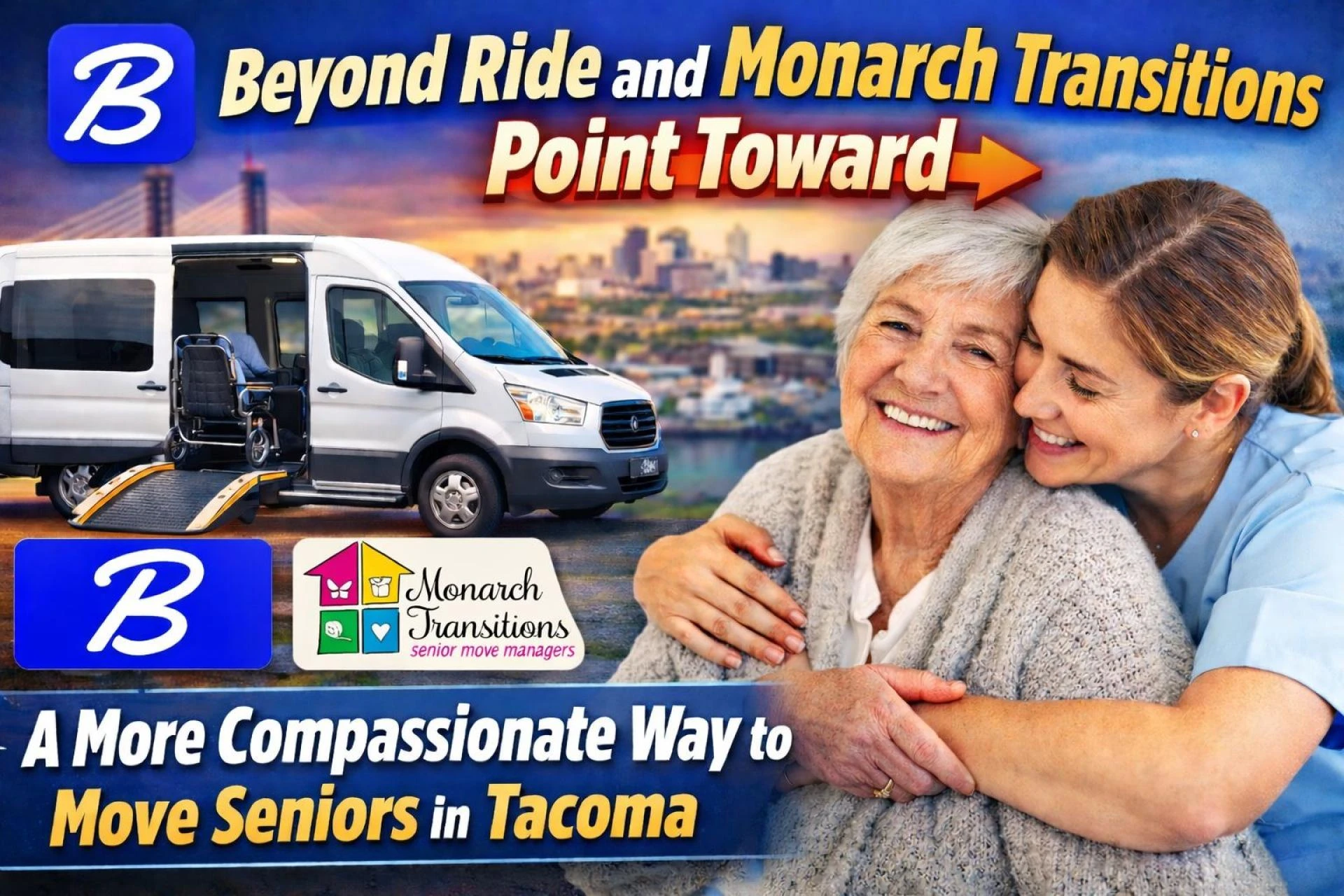
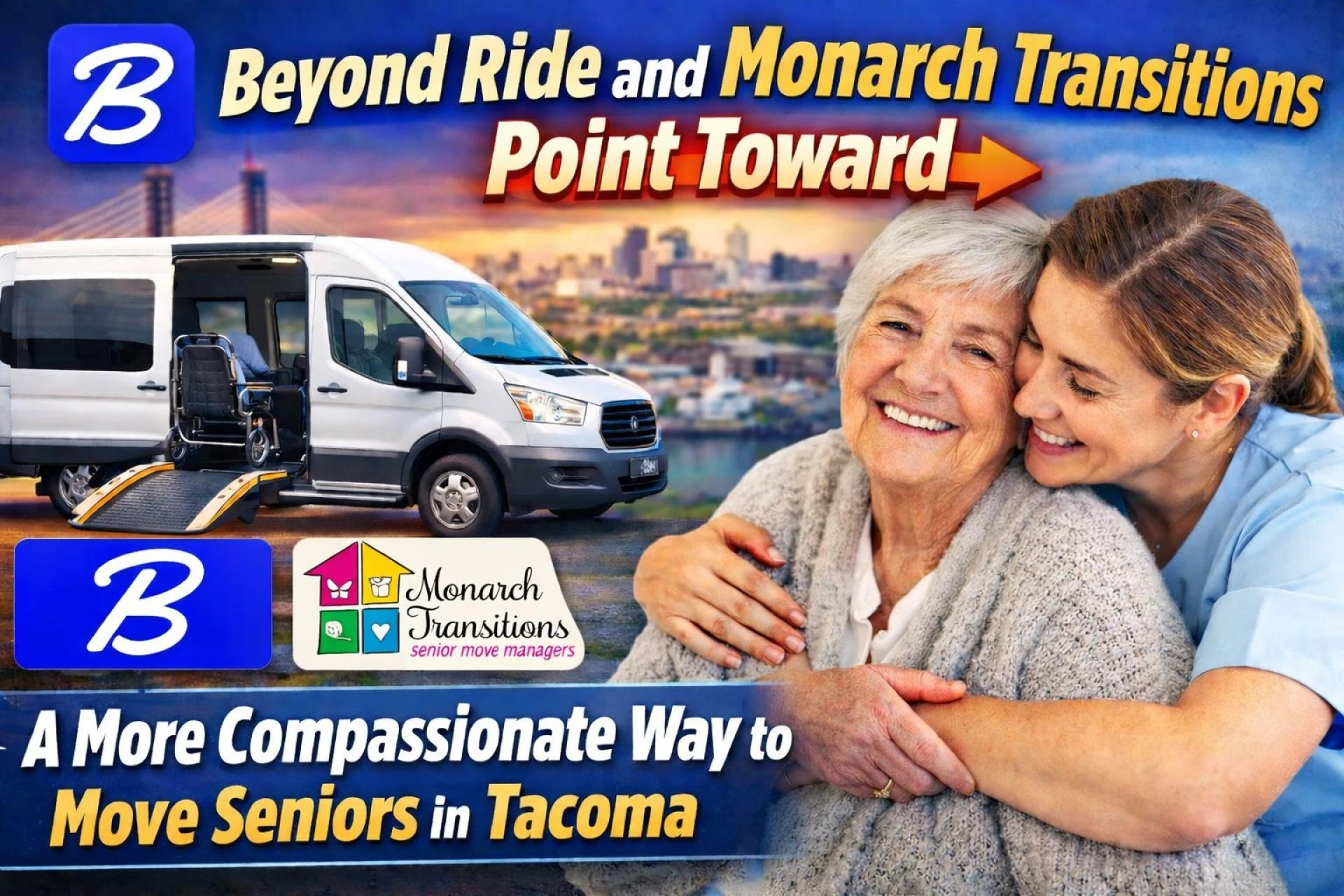
Recent coverage by DoThePR.com, based on the story “Beyond Ride and Monarch Transitions Point Toward a More Compassionate Way to Move Seniors in Tacoma,” highlights how coordination can change this experience. While there is no formal partnership between Beyond Ride and Monarch Transitions, their shared presence at a Tacoma community gathering revealed how aligned services can improve senior transitions.
For seniors moving into Assisted Living facilities Tacoma or relocating after hospitalization, the process involves more than packing belongings. Caregivers manage emotional support and medical needs. Transition specialists handle downsizing, planning, and logistics. Transportation providers ensure safe and reliable travel. Each role affects the outcome of the day.
The problem begins when these services are disconnected.
Families often arrange Assisted Living Facilities, organize the move, and then separately book wheelchair transportation or medical transport. This fragmented approach creates gaps. A delay in wheelchair transport can disrupt the entire schedule. An unprepared medical transportation provider may not fully understand the senior’s condition. These breakdowns increase stress for both seniors and their families.
Coordination removes these risks.
Monarch Transitions focuses on managing the entire relocation process with structure and care. Their role ensures that seniors move with clarity, proper planning, and emotional support. At the same time, Beyond Ride provides wheelchair transportation, medical transportation, and non emergency medical transport across Tacoma. Their services include wheelchair taxi and taxi wheelchair options designed specifically for seniors with mobility challenges.
When these services align, the impact becomes clear.
A coordinated transition allows caregivers to prepare seniors emotionally while logistics move forward smoothly. Transition specialists can plan the timing of the move with transportation in mind. Medical transport providers can ensure that vehicles, equipment, and assistance match the senior’s needs. This alignment creates a calm and predictable experience.
Wheelchair transportation plays a critical role in this coordination. Seniors who rely on wheelchair transport require safe transfers, stable seating, and trained assistance. A professional wheelchair taxi service ensures that the journey itself does not become a point of stress. Instead, it becomes a continuation of care.
Families benefit significantly from this approach. Transition days often require them to manage multiple responsibilities at once. When wheelchair transportation and medical transport are reliable and coordinated, families can focus on supporting their loved ones rather than managing logistics.
The broader takeaway from this Tacoma story is clear. A smooth senior move is not defined by how fast it happens. It is defined by how well it is coordinated.
As more families navigate transitions into Assisted Living Facilities, the importance of aligning caregivers, transition specialists, and transportation providers will continue to grow. Stories like this show that when these elements come together, seniors experience safer, calmer, and more dignified transitions.