A pink drink or a bright blue dessert will immediately grab the attention of the curious consumers before they can taste the flavor. These bold colors are more and more botanical in origin as opposed to artificial colors employed in earlier recipes. The article investigates the role played by Beetroot Red. and Spirulina Extract Color in the stability, sustainability, regulatory compliance, and clean-label innovations in the current food manufacturing sectors across the world.
Increasing demand for natural pigments.
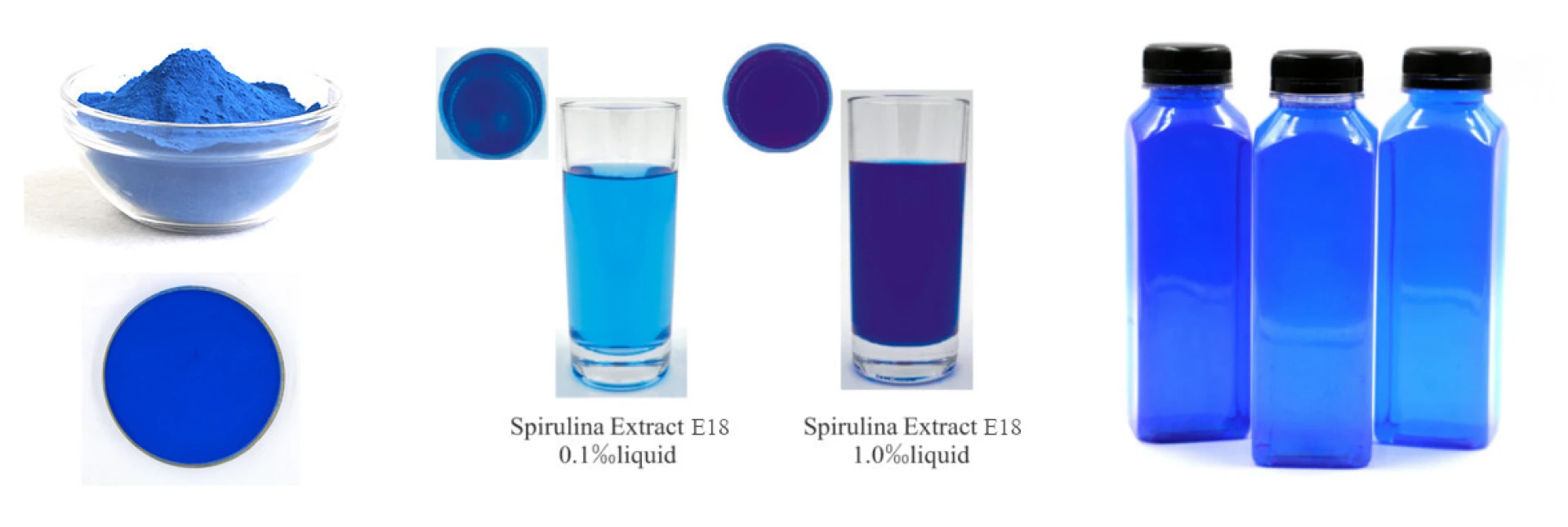
There is a growing appreciation of familiar plant-based ingredients as opposed to artificial additives in packaged and processed food products. The introduction of Beetroot Red is associated with an increased request for natural red color in drinks, dairy items, and confectionery segments. Similarly, Spirulina Extract Color. offers bright blue colors that are in line with clean-labeling and create visual differentiation in competitive retail markets around the world.
Stasis And Scientific Formulation.
Beetroot Red. Pigments are based on betalain compounds, which work well in moderately acidic environments and in highly controlled storage environments. Proper processing methods enhance the retention of colors and reduce wear out of colors in distribution cycles. In the meantime, phycocyanin in Spirulina Extract Color. must be stabilized carefully to ensure that the shade stays the same with other light intensity and temperature changes.
Food Categories Applications.
Beetroot Red is used in juices, yogurts, frostings, dairy beverages, and confectionery products where the product needs a regular visual and red color. Contrarily, Spirulina Extract Color. elevates candies, ice creams, flavored beverages, decorative topings and novelty products with vivid blue colors, as well as promote plant based branding in various markets.
Quality And Regulatory Compliance.
The regulatory standards of foods in different countries are more inclined to approve botanical pigments to provide transparency in the labeling of foods, safety of additives, and consumer protection. Use of Beetroot Red. makes it easy to meet numerous regions and exporting routes. Spirulina Extract Color Suppliers have stringent and quality laboratory tests, records, and traceability systems that take into account international additive regulations and quality standards.
Branding By Visual Consistency.
Color has a powerful effect on consumer perception of freshness, authenticity and the overall quality of the product in the competitive retail setting. Red. products made with Beetroot. convey richness in products, sourcing of vegetables, and transparency of ingredients. Adding Spirulina Extract Color. allows having a unique positioning of the product with the color of blue tones that enhance brand recognition and presence on the shelf globally.
Sustainability And Financial Expansion.
Beeet sustainable farming helps to facilitate the renewable sourcing of Beetroot Red. production and minimize environmental impact by responsible farming. Algae cultivation of Spirulina Extract Color. is a resource-efficient pigment production that will require less land and can be scaled to produce higher output. Collectively, these vegetable solutions will add to bio-friendly innovativeness and sustainable development in the growing international food sectors.
Conclusion
Natural pigments are still redefining the food aesthetics, transparency, and regulatory conformity in the world markets. To find the solution to sourcing and trusted natural color expertise, go to foodrgb.com. The case of Beetroot Red. and Spirulina Extract Color. Integration shows that botanical innovation is able to provide stability, compliance, sustainability, visual differentiation, and competitive advantage in clean-label driven global food markets that are looking to find consistent growth and responsible production practices around the globe.