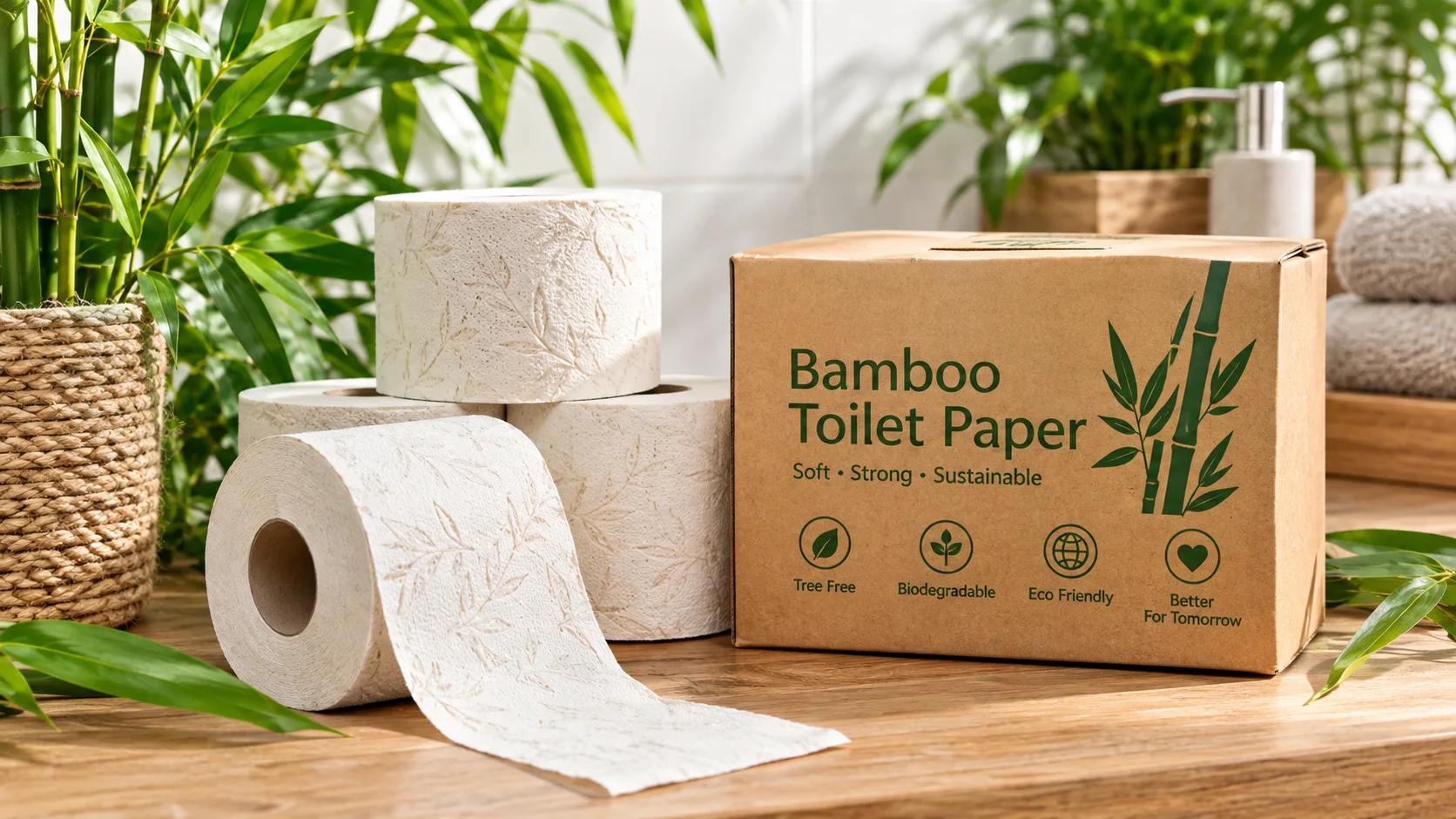
Bamboo vs. Traditional Toilet Tissue: What Shoppers Should Know
When choosing everyday household products, shoppers are paying closer attention to the materials behind the products they use. Toilet paper is one example. Toilet tissue bamboo products have gained attention as an alternative to conventional tissue, giving consumers another option to consider when comparing comfort, materials, packaging, and sustainability goals.
Understanding the Materials
Traditional toilet tissue is commonly produced using wood-based paper pulp. Depending on the product, it may be made from virgin pulp, recycled fibers, or a combination of materials.
Bamboo toilet paper, on the other hand, uses bamboo fibers as its primary material. Bamboo is a fast-growing plant, which is one reason it has become popular in discussions about tree-free and alternative paper products. However, shoppers should still consider how the bamboo is sourced and processed.
Comparing Feel and Performance
Comfort and strength remain important when selecting toilet tissue. Bamboo-based products can offer a soft feel while providing the strength needed for everyday use. Traditional tissue also comes in a wide range of textures and thicknesses.
Because products vary between manufacturers, shoppers should check product specifications and reviews rather than assuming every bamboo or traditional tissue product will feel the same.
Packaging Matters Too
The environmental profile of toilet paper involves more than the material itself. Packaging can also influence a shopper's decision. Some bamboo tissue brands use paper-based packaging, minimal packaging, or plastic-free alternatives.
When comparing products, consumers can look at both the tissue material and the packaging used to deliver it.
Sustainability Considerations
For shoppers interested in sustainable products, toilet tissue bamboo can be one option to explore. Bamboo-based tissue may appeal to people looking for alternatives to conventional wood-based tissue.
Still, sustainability depends on several factors, including sourcing, manufacturing, transportation, packaging, and product durability. Looking at the complete product journey can help shoppers make a more informed comparison.
What Should Shoppers Look For?
Before buying, consider:
- Material: Check whether the tissue is made from bamboo, recycled fiber, or virgin pulp.
- Comfort: Look for information about softness, thickness, and strength.
- Packaging: Consider whether the packaging matches your sustainability preferences.
- Sourcing: Check whether the manufacturer provides information about its bamboo or fiber sources.
- Value: Compare roll size, sheet count, and price rather than judging products by package appearance alone.
Conclusion
Choosing between bamboo and traditional toilet tissue ultimately depends on individual household preferences. Bamboo toilet paper provides an alternative for shoppers interested in different fiber sources and sustainability-focused products, while traditional tissue remains available in many varieties.
By comparing materials, comfort, packaging, sourcing, and overall value, shoppers can choose the toilet tissue that fits their household needs and environmental priorities.