
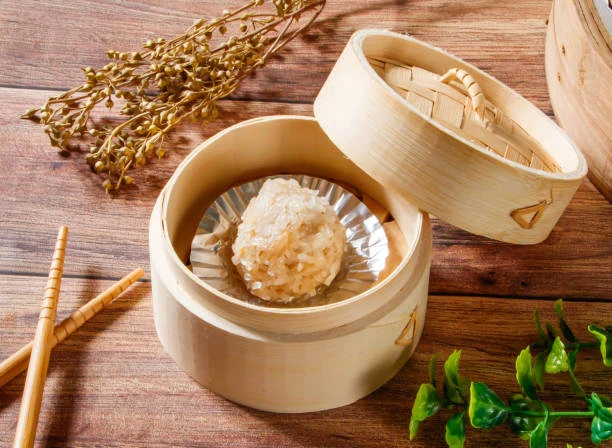
Sticky rice is a staple in many Asian cuisines and has become increasingly popular in home kitchens around the world. While rice quality matters, the tool you use plays a surprisingly big role in the final result. One of the most common questions buyers ask is whether bamboo or metal steamer baskets are better for making sticky rice. Understanding the differences can help you choose a healthier, more sustainable, and better-performing option for your kitchen.
At CCcollections, we strongly prioritise natural kitchenware, especially when it enhances both cooking results and environmental responsibility. Let’s explore how bamboo and metal steamers compare, and why bamboo remains the preferred choice for authentic sticky rice.
Why the Right Steamer Basket Matters
Sticky rice requires gentle, even steaming rather than boiling. Unlike regular rice, it absorbs moisture slowly and needs consistent airflow to achieve the right texture—soft, tender, yet slightly chewy. The design and material of your steamer directly affect how well this process works.
A sticky rice steamer basket made from the right material allows steam to circulate evenly while preventing excess condensation from dripping back onto the rice. This balance is where bamboo and metal differ the most.
Bamboo Steamer Baskets: Traditional, Natural, and Effective
Bamboo steamer baskets have been used for generations across Southeast and East Asia. Their continued popularity is not accidental—it’s rooted in performance, sustainability, and food quality.
Natural Breathability
Bamboo naturally absorbs excess moisture during steaming. This prevents water droplets from forming and dripping back onto the rice, which can otherwise make it soggy or unevenly cooked. The result is rice with a light, fluffy texture that still holds together beautifully.
Gentle Heat Distribution
Unlike metal, bamboo does not overheat. It provides steady, gentle steam that cooks rice evenly from all sides without scorching or drying it out. This is especially important for sticky rice, which is sensitive to high heat.
Eco-Friendly and Sustainable
Bamboo is one of the fastest-growing renewable resources in the world. It requires no chemical fertilisers and regenerates quickly after harvesting. Choosing bamboo kitchen tools supports a more sustainable lifestyle and reduces reliance on energy-intensive materials.
Cultural Authenticity
If you value traditional cooking methods, bamboo offers a deeper connection to heritage cooking. Many home cooks find that using time-tested tools improves both flavour and cooking confidence.
Metal Steamer Baskets: Durable but Less Ideal
Metal steamer baskets are widely available and often marketed as modern or multipurpose. While they do have advantages, they also come with notable drawbacks when it comes to sticky rice.
Excess Condensation
Metal does not absorb moisture. As steam hits the cool metal surface, condensation forms and drips back onto the rice. This can result in uneven texture, with some grains becoming waterlogged while others remain undercooked.
High Heat Retention
Metal heats up quickly and stays hot for longer periods. This can cause rice at the bottom to overcook while the top layers lag behind, especially for beginners.
Environmental Impact
Metal steamers require mining, industrial processing, and significant energy use to manufacture. While durable, they are far less eco-friendly than bamboo options and carry a higher carbon footprint.
Less Traditional Results
For dishes rooted in tradition, modern materials don’t always deliver the same results. Many experienced cooks agree that metal simply doesn’t replicate the texture achieved through bamboo steaming.
Which One Makes Better Sticky Rice?
When comparing bamboo and metal side by side, bamboo clearly stands out for sticky rice preparation. A sticky rice steamer basket made from bamboo offers better moisture control, improved texture, and a more authentic cooking experience.
Metal steamers may be suitable for vegetables or dumplings, but for sticky rice specifically, bamboo remains the gold standard. It aligns with traditional techniques while also supporting modern values of sustainability and natural living.
Buying Priorities: Why Bamboo Should Come First
When choosing a steamer basket, buyers should prioritise:
- Natural materials that don’t interfere with food flavour
- Eco-friendly construction with low environmental impact
- Proven performance for sticky rice texture
- Long-term usability with proper care
Bamboo meets all these criteria effortlessly. It’s safe, effective, and kinder to the planet—making it a smart investment for conscious home cooks.
Long-Term Value and Care
Bamboo steamers are easy to maintain. With simple cleaning and proper drying, they can last for years. Avoid soaking them for long periods, and always let them air dry fully. This small amount of care preserves both performance and appearance.
In contrast, metal steamers may last longer physically, but they rarely improve cooking quality over time.
Final Verdict
For anyone serious about cooking sticky rice the traditional way, bamboo is the clear winner. A sticky rice steamer basket made from bamboo delivers superior texture, better moisture control, and aligns with eco-conscious living. It’s a choice that benefits your food, your kitchen, and the environment.
At CCcollections, we believe that natural tools create better cooking experiences—and bamboo steamers are a perfect example of that philosophy.
FAQs
What is the main advantage of bamboo over metal steamers?
Bamboo absorbs excess moisture and allows better airflow, resulting in evenly cooked, fluffy sticky rice.
Is bamboo safe for food use?
Yes, bamboo is a natural, food-safe material when properly cleaned and dried after use.
Does bamboo affect the flavour of rice?
No, bamboo does not add any taste. Instead, it helps preserve the rice’s natural aroma and texture.
Are bamboo steamers environmentally friendly?
Absolutely. Bamboo is renewable, biodegradable, and requires fewer resources to produce compared to metal.
Can beginners use bamboo steamers easily?
Yes. Bamboo steamers are beginner-friendly and more forgiving than metal, especially for sticky rice.