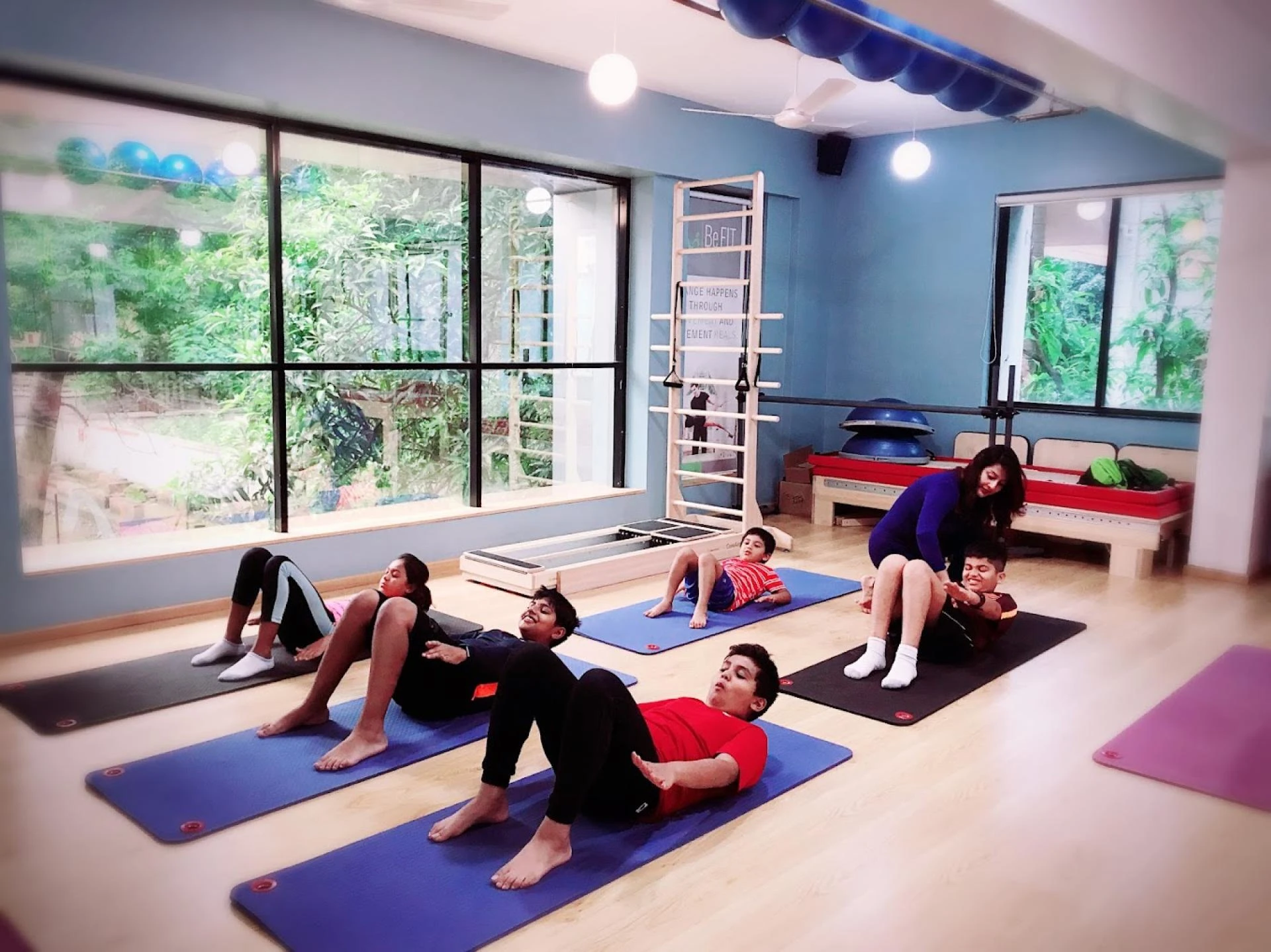
Pilates is a form of low-impact exercise that focuses on building strength, flexibility, and balance. Over the years, it has gained popularity for its ability to improve posture, enhance core strength, and promote overall physical well-being. One of the most essential tools in this fitness method is the Pilates reformer—a versatile piece of equipment that adds resistance and depth to traditional Pilates exercises. Among the various models available in the market today, the Balanced Body Pilates Reformer 2 stands out for its functionality, user-friendly design, and adaptability.
Understanding the Pilates Reformer
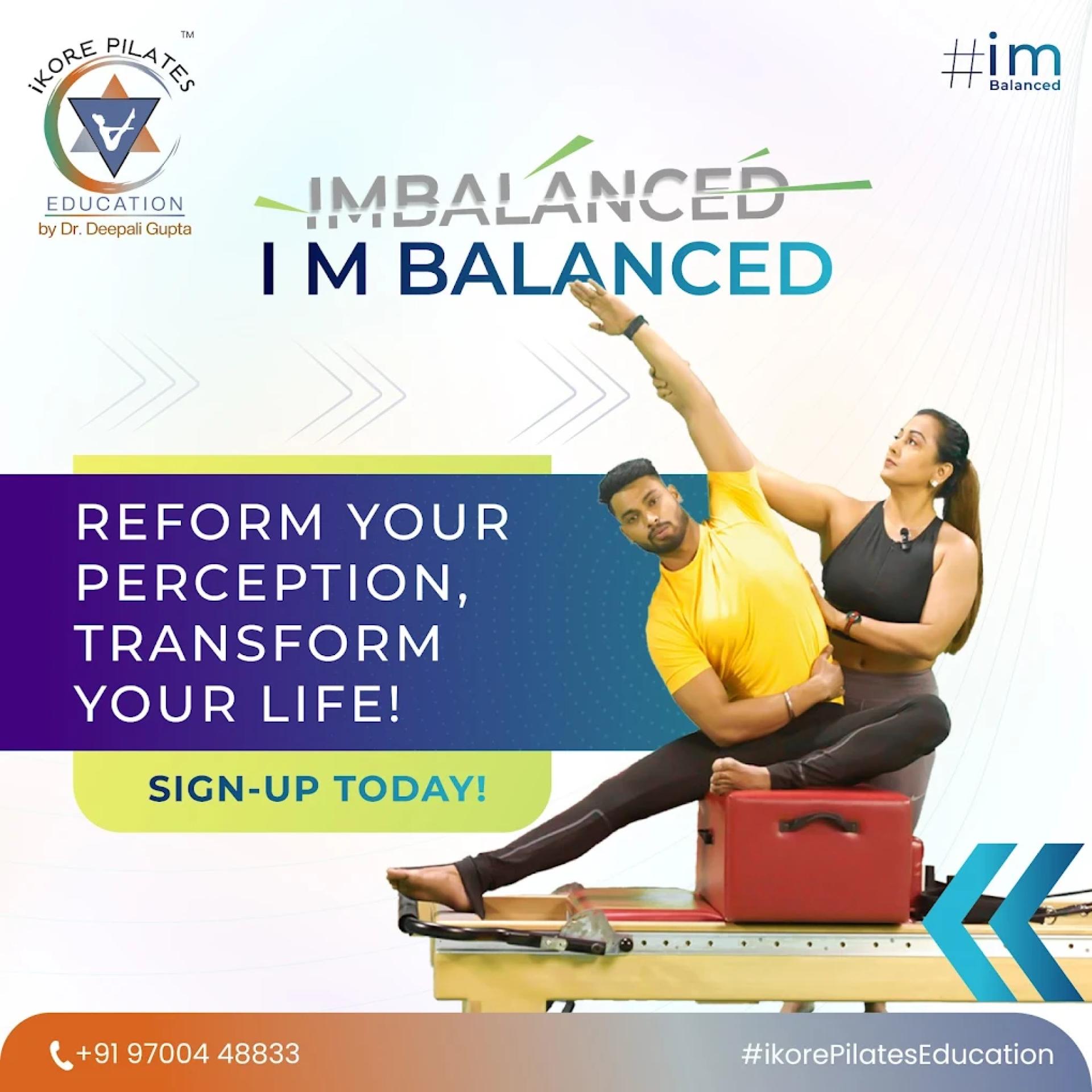
Before diving into the specific features of this advanced model, it’s important to understand what a Pilates reformer is and how it works. A reformer typically consists of a flat platform known as the carriage, which rolls back and forth on wheels within a frame. It uses a combination of springs, ropes, and pulleys to provide adjustable resistance. The person exercising lies, sits, kneels, or stands on the carriage and performs a series of controlled movements that target various muscle groups.
Unlike mat Pilates, which relies on body weight for resistance, the reformer allows users to adjust the intensity of each movement, making it ideal for people at all fitness levels—from beginners to advanced practitioners.
Key Features of the Reformer
The second-generation reformers bring several enhancements over earlier models. These improvements are aimed at increasing user comfort, ensuring smoother performance, and allowing for greater customization. Here are some of the common features found in advanced reformers:
- Adjustable Resistance: With multiple springs offering varying levels of tension, users can tailor their workouts based on strength and ability. This makes it ideal for rehabilitation, athletic training, or general fitness.
- Padded Carriage and Shoulder Blocks: For comfort and safety, most reformers now feature a cushioned surface and ergonomically designed shoulder blocks that help maintain proper alignment during exercises.
- Foot Bar Adjustments: The foot bar is a critical component used in many Pilates movements. The ability to adjust its height and angle allows users to find the most natural and effective position for their body.
- Quiet, Smooth Glide: Advanced wheel and rail systems contribute to a fluid motion, reducing noise and friction. This allows for a more meditative and focused workout.
- Customizable Accessories: From jump boards to sitting boxes and extension straps, many reformers support a wide range of accessories that broaden the scope of exercises that can be performed.
Benefits of Using a Reformer
Using a reformer can elevate the traditional Pilates experience by introducing resistance, balance challenges, and a greater variety of movements. Here are some key benefits:
1. Full-Body Workout
The reformer engages multiple muscle groups simultaneously. While core strength remains the central focus, exercises also work the arms, legs, back, and glutes. This results in a balanced, comprehensive workout.
2. Improved Posture and Alignment
The guided movements help align the spine and strengthen postural muscles. Regular practice can lead to better posture, reduced back pain, and greater body awareness.
3. Low-Impact Yet Challenging
Because it is gentle on the joints, reformer Pilates is ideal for people recovering from injury or dealing with chronic conditions such as arthritis. At the same time, the adjustable resistance allows for progressive challenges.
4. Enhanced Flexibility and Range of Motion
Stretching is integrated into many reformer routines, helping improve flexibility over time. This can be particularly beneficial for athletes or individuals with tight muscles.
5. Rehabilitation and Injury Prevention
Physiotherapists often use reformers to aid in the recovery of musculoskeletal injuries. The controlled environment enables safe movement and gradual strengthening of weakened muscles.
How to Get Started
If you’re new to reformer Pilates, it’s advisable to begin under the guidance of a certified instructor. Proper form and technique are crucial to maximize benefits and avoid injury. Many studios offer introductory classes that walk you through the basics, helping you build confidence and understanding.
Once you're comfortable with the movements, you may consider investing in a personal reformer for home use. When choosing a model, look for stability, ease of adjustment, and compatibility with accessories you may want to incorporate later.
Maintenance and Care
Like any fitness equipment, reformers require regular maintenance to ensure longevity and performance. Keep the rails clean and free of dust to ensure smooth carriage movement. Check the springs, ropes, and pulleys regularly for signs of wear and tear. Most manufacturers provide a maintenance guide, and following it can extend the life of your machine.
Final Thoughts
The Balanced Body Pilates Reformer 2 offers an upgraded experience for anyone looking to deepen their Pilates practice. With enhanced features that support both comfort and challenge, it serves as a powerful tool for improving physical fitness, rehabilitating injuries, and promoting long-term wellness.
Whether you’re a beginner or an experienced practitioner, incorporating a reformer into your routine can significantly enhance the quality and effectiveness of your workouts. It’s more than just exercise—it’s a comprehensive approach to movement, health, and well-being.