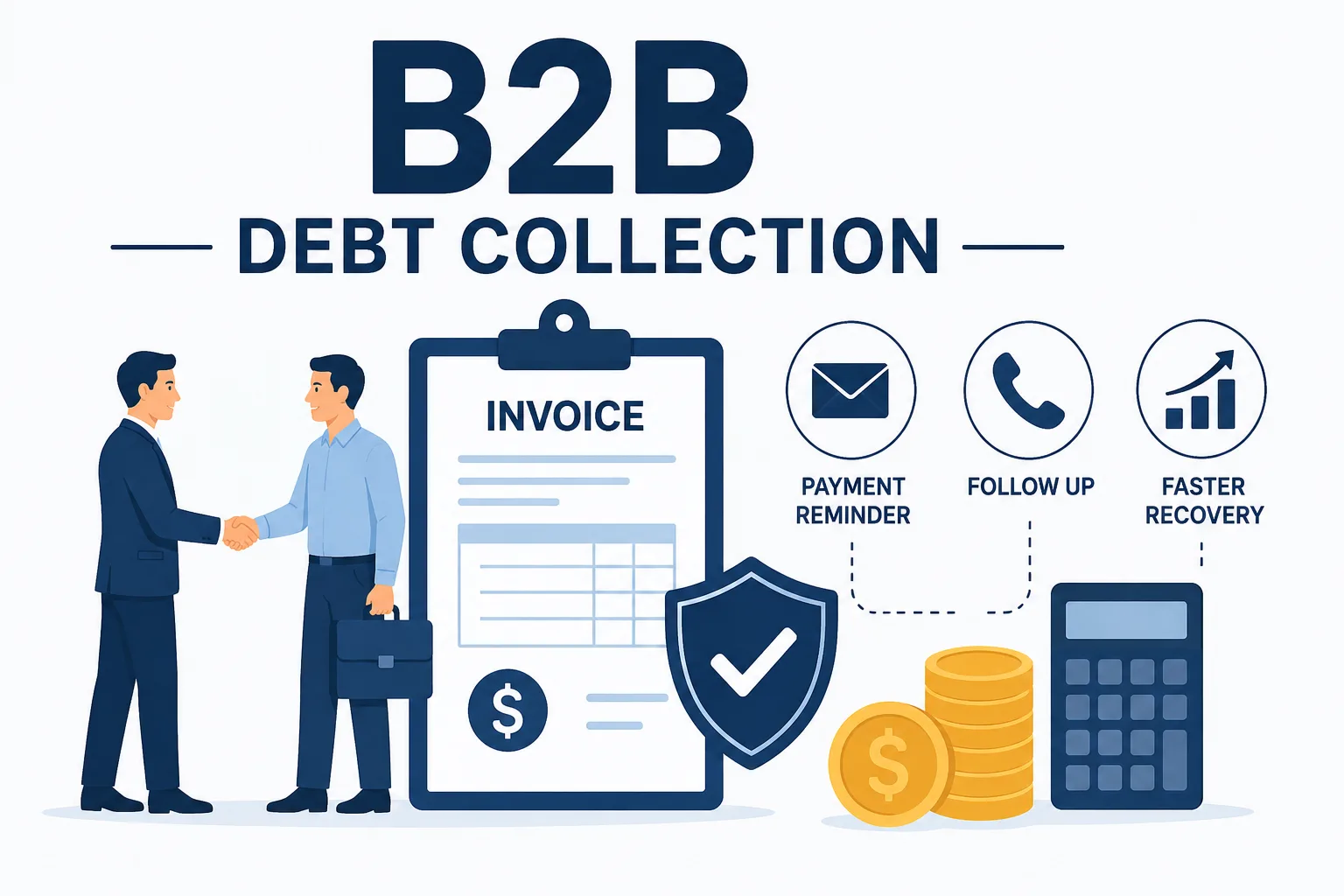
Maintaining a strong cash flow is crucial for long-term success in the cutthroat corporate world of today. Unpaid customer invoices and delayed payments are two of the largest problems businesses deal with. The operations, profitability, and expansion of a business can all be significantly impacted by bad loans. To lower financial risks and enhance payment recovery, organizations must implement efficient B2B debt collection procedures.
Press enter or click to view image in full size
Whether you are a small business, wholesaler, manufacturer, service provider, or corporate company, having a strong payment collection process can help protect your business from losses. Here are some practical and effective B2B payment collection tips to reduce bad debts and improve business cash flow.
1. Verify Client Background Before Offering Credit
One of the best ways to reduce bad debts is to check the financial background of a client before providing products or services on credit. Many businesses make the mistake of trusting clients without verifying their payment history or business reputation.
Before approving credit:
- Check company registration details
- Verify GST and business documents
- Review payment history with other vendors
- Evaluate financial stability
- Set a suitable credit limit
A proper client verification process helps businesses avoid risky customers and reduces the chances of payment defaults.
2. Create Clear Payment Terms
Unclear payment terms often lead to misunderstandings and delayed payments. Every business should define payment terms clearly before starting any transaction.
Important payment terms should include:
- Invoice due date
- Credit period
- Late payment charges
- Accepted payment methods
- Advance payment conditions
- Penalties for overdue accounts
Ensure all terms are mentioned in agreements, quotations, purchase orders, and invoices. Clear communication creates accountability and helps businesses recover payments faster.
3. Send Accurate and Timely Invoices
Late or incorrect invoices can delay payments significantly. Businesses should send invoices immediately after delivering products or completing services.
A professional invoice should include:
- Invoice number
- Client details
- Product or service description
- Payment amount
- Due date
- Bank details
- Contact information
Double-check all invoice details to avoid disputes. Using automated invoicing software can also improve efficiency and reduce errors.
4. Maintain Proper Documentation
Strong documentation is extremely important in B2B payment collection. Businesses should maintain records of all communications and transactions with clients.
Important documents include:
- Signed agreements
- Purchase orders
- Delivery receipts
- Emails and messages
- Payment reminders
- Invoices and statements
Proper documentation helps resolve disputes quickly and provides legal support if recovery action becomes necessary.
5. Follow Up Regularly on Outstanding Payments
Many businesses fail to follow up consistently on unpaid invoices. Regular payment reminders increase the chances of faster collection and show clients that payment discipline is important.
You can follow up through:
- Emails
- Phone calls
- WhatsApp messages
- Reminder letters
Create a payment follow-up schedule:
- Friendly reminder before due date
- Reminder on due date
- Follow-up after 7 days
- Stronger reminder after 15 days
- Final notice before legal or recovery action
Professional communication is key to maintaining business relationships while ensuring payment recovery.
6. Offer Multiple Payment Options
Providing convenient payment methods can encourage faster payments. Some clients delay payments simply because the payment process is difficult or limited.
Businesses should offer:
- Bank transfer
- UPI payments
- Online payment gateways
- Cheque payments
- NEFT/RTGS options
The easier you make the payment process, the faster clients are likely to clear outstanding dues.
7. Monitor Accounts Receivable Regularly
Tracking unpaid invoices regularly helps businesses identify payment issues early. Businesses should review accounts receivable reports weekly or monthly to monitor overdue accounts.
Important things to monitor:
- Outstanding balances
- Payment aging reports
- Frequently delayed customers
- High-risk accounts
Early identification of payment delays allows businesses to take quick action before debts become difficult to recover.
8. Build Strong Client Relationships
Maintaining positive business relationships can improve payment behavior. Clients are more likely to prioritize payments when they have a good relationship with the supplier or service provider.
Good communication, professionalism, and customer service can help create trust and reduce payment disputes. However, businesses should also maintain professional boundaries and avoid excessive credit extensions.
9. Use Written Contracts for Every Transaction
Verbal agreements can create confusion and payment disputes. Businesses should always use written contracts or agreements for B2B transactions.
A professional agreement should include:
- Scope of work
- Payment schedule
- Credit terms
- Penalty clauses
- Dispute resolution terms
- Legal jurisdiction
Written agreements provide security and strengthen the company’s position during debt recovery.
10. Take Quick Action on Overdue Accounts
Delaying recovery action can increase the chances of bad debts. Businesses should act quickly when invoices remain unpaid beyond the agreed period.
Steps to take include:
- Immediate reminders
- Direct discussions with decision-makers
- Sending demand notices
- Temporary suspension of services
- Negotiating payment plans
The longer a debt remains unpaid, the harder it becomes to recover.
11. Hire a Professional B2B Debt Collection Agency
Sometimes businesses struggle to recover payments internally. In such cases, hiring a professional B2B debt collection agency can be highly effective.
Professional recovery agencies:
- Handle difficult collection cases
- Use legal and ethical recovery methods
- Save time and resources
- Improve recovery success rates
- Help maintain professional communication
An experienced debt collection agency can recover outstanding payments while allowing businesses to focus on core operations.
12. Encourage Early Payments
Offering small discounts or incentives for early payments can motivate clients to pay on time.
For example:
- 2% discount for payment within 7 days
- Priority service for timely-paying customers
- Flexible future credit for good payment history
Rewarding responsible clients encourages better payment habits and improves cash flow.
13. Train Your Accounts Team
Your accounts and collection team plays a major role in payment recovery. Proper training can improve communication, negotiation, and follow-up processes.
Staff should be trained in:
- Invoice management
- Customer communication
- Conflict resolution
- Payment negotiation
- Recovery procedures
A professional and skilled collection team can significantly reduce overdue accounts.
Conclusion
Bad debts can create serious financial pressure for any business. Implementing effective B2B payment collection strategies helps companies reduce risks, improve cash flow, and maintain financial stability. From verifying client backgrounds and setting clear payment terms to regular follow-ups and professional debt recovery support, every step plays an important role in minimizing unpaid invoices.
Businesses that take a proactive approach toward payment collection can protect themselves from unnecessary losses and maintain healthy business operations. For companies struggling with overdue payments, partnering with a professional debt collection agency can provide fast and reliable recovery solutions.
Baadshah Recovery Agency offers professional B2B payment collection and debt recovery services across India. With experienced recovery experts, legal support, and ethical recovery methods, the agency helps businesses recover outstanding payments quickly and efficiently.