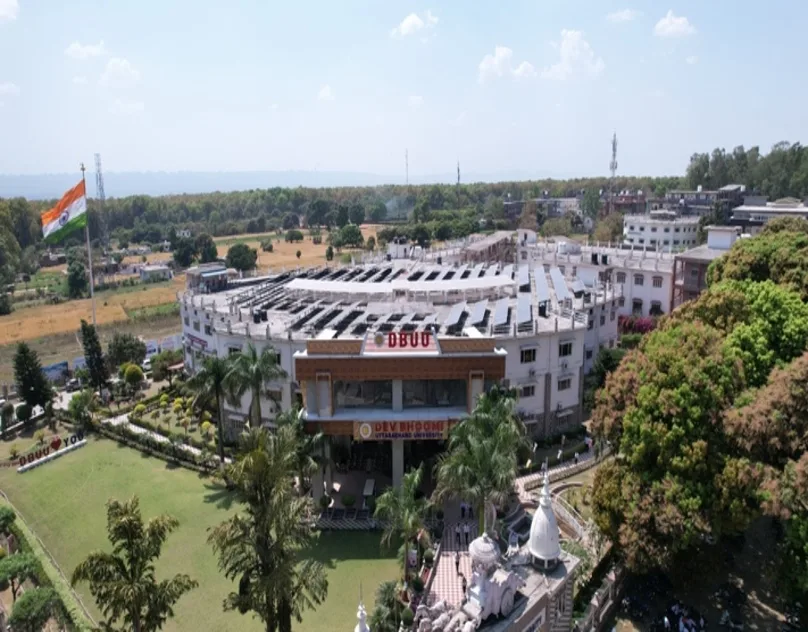
B.Sc in Agriculture is one of the most popular undergraduate degree programs for students who aspire to build a career in agriculture, agribusiness, food production, and agricultural research. As agriculture remains the backbone of many economies, the demand for skilled agricultural professionals continues to grow rapidly. A B.Sc in Agriculture equips students with scientific knowledge, technical skills, and practical experience to address modern farming challenges, improve crop productivity, and contribute to sustainable agricultural development.
Whether you dream of becoming an agricultural officer, researcher, farm manager, or entrepreneur, this course offers numerous career opportunities across government and private sectors.
What is B.Sc in Agriculture?
B.Sc in Agriculture is a four-year undergraduate degree program divided into eight semesters. The curriculum combines classroom learning with practical field training, laboratory sessions, internships, and research projects.
The course focuses on scientific farming techniques, crop production, soil science, plant breeding, agricultural economics, horticulture, pest management, and sustainable agriculture.
Students gain hands-on experience that prepares them to solve real-world agricultural problems using modern technologies and innovative farming methods.
Eligibility Criteria for B.Sc in Agriculture
Students seeking admission to B.Sc in Agriculture generally need to fulfill the following eligibility requirements:
- Completion of 10+2 from a recognized board.
- Physics, Chemistry, and Biology or Agriculture as core subjects.
- Some universities also accept Mathematics students.
- Minimum qualifying marks vary depending on the institution.
- Admission may be based on merit or entrance examinations.
Candidates should always check the admission guidelines of their preferred university before applying.
Duration of B.Sc in Agriculture
The duration of B.Sc in Agriculture is four years, consisting of eight semesters. Throughout the program, students participate in practical sessions, field visits, research activities, rural agricultural work experience, and internships to develop professional skills.
This practical approach helps students understand modern agricultural practices and prepares them for industry requirements.
Subjects Covered in B.Sc in Agriculture
The B.Sc in Agriculture curriculum covers various disciplines related to agriculture and allied sciences. Some major subjects include:
- Agronomy
- Soil Science
- Plant Pathology
- Agricultural Economics
- Genetics and Plant Breeding
- Agricultural Engineering
- Horticulture
- Entomology
- Agricultural Microbiology
- Crop Physiology
- Seed Technology
- Animal Husbandry
- Irrigation Management
- Agricultural Extension Education
- Food Technology
These subjects provide comprehensive knowledge about crop production, resource management, and agricultural innovation.
Skills Developed During B.Sc in Agriculture
Students pursuing B.Sc in Agriculture develop several valuable professional skills, including:
- Scientific problem-solving
- Crop management
- Farm planning
- Research methodology
- Data analysis
- Leadership
- Communication skills
- Decision-making
- Teamwork
- Sustainable farming practices
These skills make graduates suitable for diverse roles in agriculture-related industries.
Career Opportunities After B.Sc in Agriculture
Graduates of B.Sc in Agriculture enjoy excellent employment opportunities across multiple sectors.
Popular career options include:
- Agricultural Officer
- Farm Manager
- Agricultural Research Assistant
- Seed Production Officer
- Soil Conservation Officer
- Food Safety Officer
- Agribusiness Executive
- Agricultural Consultant
- Plant Breeder
- Horticulture Officer
- Fertilizer Sales Officer
- Quality Control Officer
- Crop Production Specialist
Employment opportunities are available in government departments, agricultural universities, seed companies, fertilizer industries, food processing companies, banks, NGOs, and agritech startups.
Students can also establish their own farming enterprises, organic farms, nurseries, or agricultural consultancy businesses.
Higher Education After B.Sc in Agriculture
After completing B.Sc in Agriculture, students may pursue higher education to specialize further.
Popular options include:
- M.Sc Agriculture
- MBA in Agribusiness
- M.Tech in Agricultural Engineering
- PG Diploma in Agriculture
- Ph.D. in Agriculture
Higher education enhances technical expertise and improves career growth opportunities in research, academics, and management.
Salary After B.Sc in Agriculture
The salary after B.Sc in Agriculture depends on skills, experience, employer, and job profile.
Fresh graduates can expect competitive starting salaries, while experienced professionals earn significantly higher packages in agribusiness companies, multinational corporations, research organizations, and government sectors.
Entrepreneurs engaged in commercial farming or agribusiness can also generate substantial income through successful agricultural ventures.
Why Choose B.Sc in Agriculture?
There are several reasons why students choose B.Sc in Agriculture:
- Growing demand for agricultural professionals
- Diverse government job opportunities
- Excellent private sector careers
- Entrepreneurship possibilities
- Strong research opportunities
- Contribution to food security
- Practical learning experience
- High scope in sustainable agriculture
- Career stability
- Opportunities for higher studies
With increasing focus on food production and sustainable farming, agriculture professionals are expected to remain in high demand for years to come.
Future Scope of B.Sc in Agriculture
The future scope of B.Sc in Agriculture is highly promising due to advancements in agricultural technology, precision farming, biotechnology, artificial intelligence, and climate-smart agriculture.
Government initiatives supporting farmers, agricultural exports, organic farming, and agritech innovation have created new employment opportunities for agriculture graduates.
Professionals with modern agricultural knowledge are increasingly required to improve productivity while protecting environmental sustainability.
Conclusion
Choosing B.Sc in Agriculture is an excellent decision for students passionate about agriculture, environmental sustainability, scientific farming, and rural development. The program offers a balanced combination of theoretical knowledge and practical training, preparing graduates for rewarding careers across government organizations, private companies, research institutions, and agribusiness enterprises.
With continuous technological advancements and increasing global demand for agricultural experts, B.Sc in Agriculture provides long-term career stability, diverse employment opportunities, and excellent prospects for higher education and entrepreneurship. If you aspire to contribute to the future of agriculture while building a successful professional career, B.Sc in Agriculture is undoubtedly one of the best undergraduate programs to consider.