Finishing your B.Sc Biotechnology doesn’t always come with a clear roadmap and that’s where most students start feeling stuck. One minute you’re busy with lab records and practicals, and the next, everyone’s asking, “So what’s your plan now?”
The truth is, biotechnology isn’t like some degrees where there’s just one obvious job role waiting at the end. It’s a wide field, and that’s both the confusing part and the exciting part. Some students go into research, some move into corporate roles, and others even switch toward tech or management.
If you’ve ever looked up things like B.Sc Biotechnology eligibility or tried to understand the real scope, you already know this field has potential but it depends a lot on the choices you make after graduation. Let’s break it down in a simple, honest way.
1. Starting Roles You Can Actually Get
Right after graduation, most students begin with roles like:
- Lab Technician / Research Assistant
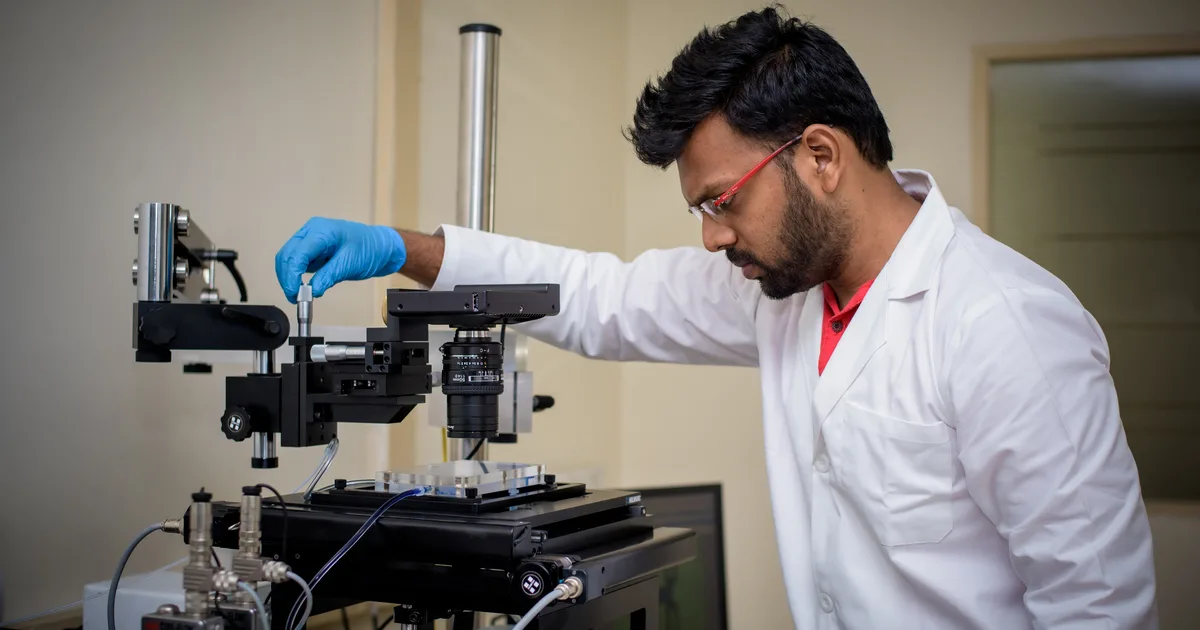
You’ll spend time in labs, running experiments, handling samples, and assisting senior researchers.
- Quality Control Analyst
Common in pharma and food companies, basically making sure products are safe and meet standards.
- Clinical Research Associate (CRA)
If you’re interested in how medicines are tested, this role deals with clinical trials.
These jobs might not sound glamorous at first, but they help you understand how the industry actually works.
2. Where Do Biotechnology Graduates Work?
One good thing about this field, you’re not limited to just one industry.
- Pharma companies (medicine development)
- Diagnostic labs (testing and reports)
- Agriculture sector (crop improvement, food tech)
- Environmental firms (pollution control, sustainability)
- Biotech startups (small teams, fast learning)
You might not realize it now, but biotech quietly connects to a lot of industries around you.
3. Salary- What to Expect in Reality
Let’s keep this real, no sugarcoating:
- Freshers usually start around ₹2.5 – ₹5 LPA
- After a few years, it can go up to ₹5 – ₹10 LPA
- Higher roles or jobs abroad can go beyond that
The jump in salary mostly depends on your skills and whether you continue studying.
4. Why Many Students Go for Higher Studies
You’ll notice a pattern, a number of biotech students don’t stop at graduation.
- M.Sc Biotechnology – helps you specialize
- MBA (Healthcare/Pharma) – if you want to move away from lab work
- PhD – for research or teaching
- Study abroad – better exposure and opportunities
This is also where the real B.Sc biotechnology scope becomes clearer because higher education often opens doors to better roles and long-term growth.
5. New-Age Career Options (Worth Exploring)
This is where things get interesting, especially if you don’t want a typical lab job:
- Bioinformatics – biology + coding (growing fast)
- Genetic Engineering – working on gene editing
- Healthcare Data Analyst – handling medical data
- Regulatory Affairs – dealing with approvals and policies
These roles are becoming more popular because the industry is changing.
6. Skills That Actually Make a Difference
A lot of students make the mistake of relying only on their degree. That’s not enough anymore.
Try to build:
- Basic lab skills (PCR, gel electrophoresis)
- Some coding (Python or R)
- Data handling and analysis
- Clear communication for reports and presentations
Even small skill upgrades can make a big difference in job opportunities.
Conclusion
B.Sc Biotechnology is not a “guaranteed success” degree and it’s better to accept that early. But it’s also not a bad choice at all. It just needs a bit more planning than most students expect.
If you stay curious, gain useful skills, and don’t rush your decisions, this field can take you in some really interesting directions.