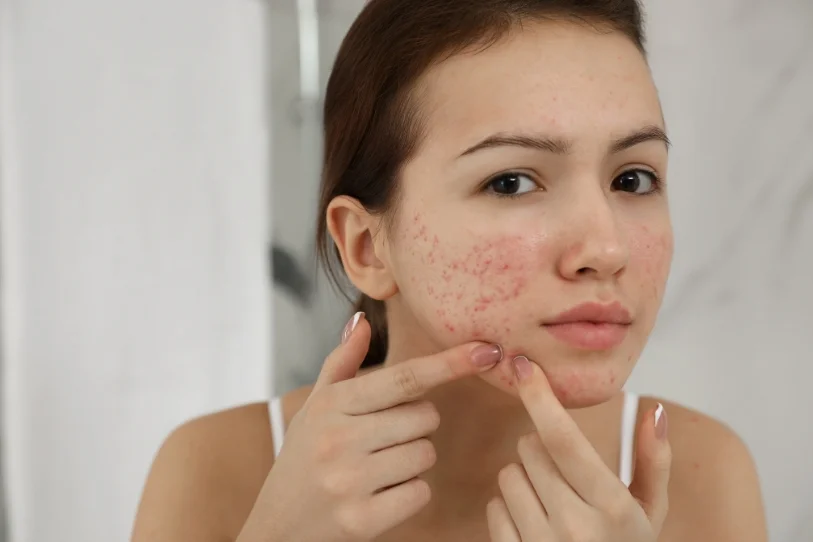
Skin is the body’s largest organ and often reflects what is happening inside the body. Issues such as acne, eczema, rashes, dryness, and pigmentation can occur due to lifestyle habits, diet, environmental factors, or internal imbalances. While modern treatments may provide temporary relief, Ayurveda focuses on identifying the root cause and restoring balance in the body for long-term skin health.
Ayurveda, the ancient system of natural healing, considers skin diseases as a result of imbalance in the body’s three doshas — Vata, Pitta, and Kapha. By correcting these imbalances through diet, herbal remedies, lifestyle changes, and detoxification therapies, Ayurveda helps improve skin health naturally.
Common Skin Conditions Addressed in Ayurveda
Ayurvedic treatments are often used to support the management of several common skin concerns, including:
- Acne and pimples
- Eczema and dermatitis
- Psoriasis
- Skin allergies and rashes
- Pigmentation and uneven skin tone
- Dry or excessively oily skin
- Fungal infections
These conditions are often linked to toxin buildup, poor digestion, hormonal imbalance, or stress. Ayurveda focuses on correcting these underlying factors rather than only treating the visible symptoms.
Causes of Skin Diseases According to Ayurveda
According to Ayurvedic principles, skin problems may develop due to several internal and external factors.
Some common causes include:
- Poor digestion leading to toxin accumulation in the body
- Imbalance of Pitta dosha, which is closely related to heat and inflammation
- Unhealthy dietary habits such as excessive oily, spicy, or processed foods
- Stress and irregular lifestyle patterns
- Environmental pollution and chemical exposure
- Hormonal fluctuations
Understanding these causes helps Ayurvedic practitioners recommend personalized treatments that address the root of the problem.
Ayurvedic Methods for Supporting Skin Health
Ayurveda offers a holistic approach to improving skin health through natural therapies and lifestyle practices.
1. Herbal Remedies
Ayurvedic herbs are widely used to support skin healing and detoxification.
Commonly used herbs include:
- Turmeric – known for its anti-inflammatory and antibacterial properties
- Neem – traditionally used for skin purification
- Aloe Vera – helps soothe and hydrate the skin
- Manjistha – supports blood purification and skin clarity
- Ashwagandha – helps manage stress-related skin issues
These herbs may be used in oils, powders, herbal pastes, or supplements under professional guidance.
2. Panchakarma Detoxification
Panchakarma is a traditional Ayurvedic detox therapy designed to eliminate toxins from the body. This cleansing process helps restore balance and improve overall health, which can also benefit skin conditions.
Benefits of Panchakarma may include:
- Removal of accumulated toxins
- Improved digestion and metabolism
- Better blood circulation
- Enhanced skin clarity and glow
3. Ayurvedic Skin Therapies and Massage
Specialized Ayurvedic therapies and herbal oil massages can nourish the skin and support healing.
These therapies help:
- Improve skin hydration
- Enhance circulation
- Reduce inflammation
- Relax the body and mind
Regular Ayurvedic massage also supports overall wellness, which indirectly benefits skin health.
4. Diet and Lifestyle Guidance
Diet plays a vital role in maintaining healthy skin according to Ayurveda.
Some commonly recommended practices include:
- Eating fresh, natural, and seasonal foods
- Drinking adequate water to maintain hydration
- Including antioxidant-rich fruits and vegetables
- Reducing overly spicy, fried, or processed foods
- Maintaining proper sleep and stress management routines
A balanced lifestyle supports internal harmony, which is essential for healthy skin.
Importance of Personalized Ayurvedic Consultation
One of the key principles of Ayurveda is that each person is unique. Skin problems may appear similar, but the underlying cause may differ from person to person. For this reason, Ayurvedic practitioners provide personalized consultations to understand an individual’s body constitution, lifestyle, and health history.
A customized treatment plan may include:
- Dietary recommendations
- Herbal formulations
- Detox therapies
- Yoga and meditation practices
- Lifestyle adjustments
This personalized approach helps achieve long-term skin wellness rather than short-term relief.
Conclusion
Skin diseases can affect both physical comfort and self-confidence, but addressing them through a holistic approach can lead to lasting improvements. Ayurveda focuses on balancing the body, removing toxins, and supporting natural healing processes to maintain healthy and radiant skin.
With the right combination of herbal remedies, detox therapies, balanced nutrition, and lifestyle practices, Ayurveda offers a natural pathway toward improved skin health and overall well-being.