
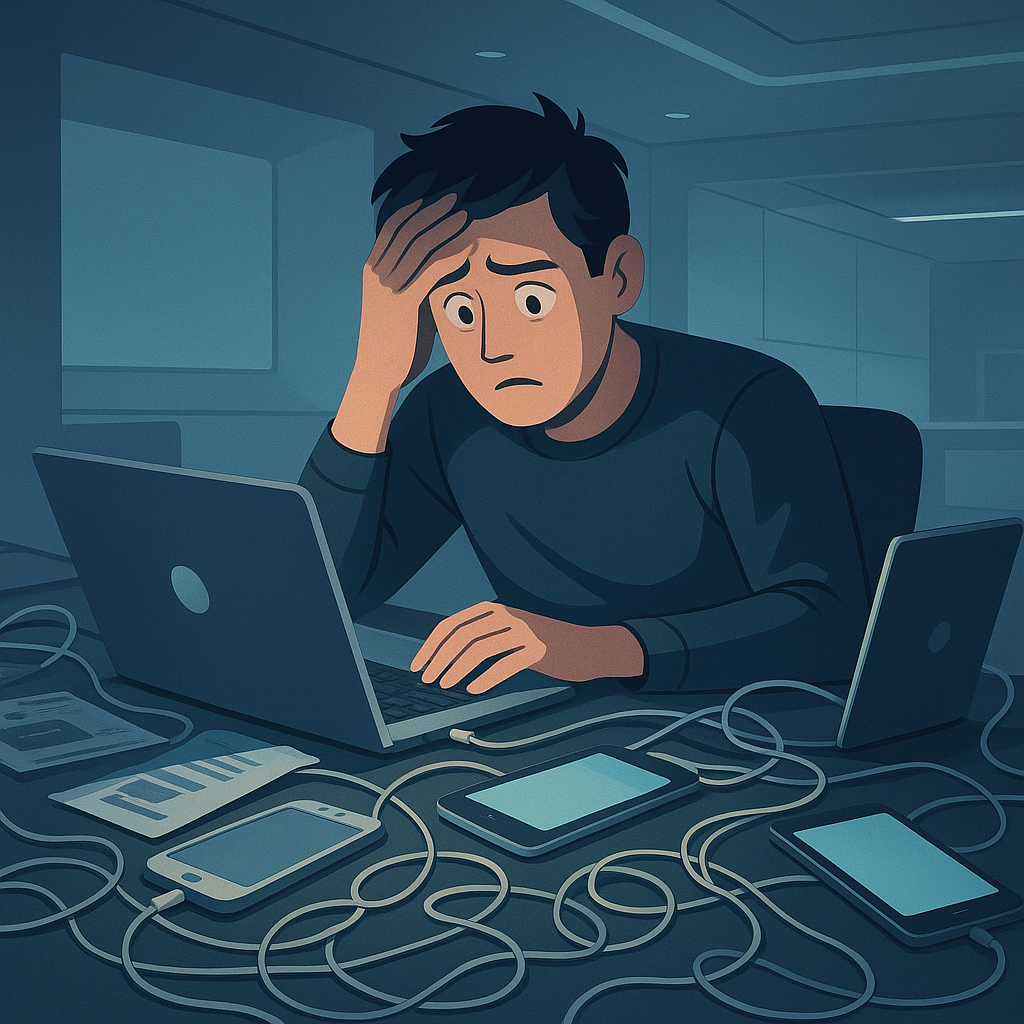
When Convenience Turns Costly: A Snapshot of Gadget Missteps
In the quietly humming glow of a smart home, a user plugs in a brand-new device, expecting seamless integration. Instead, the gadget intermittently disconnects, drains battery unexpectedly, or worse, becomes a costly piece of unused tech. Despite the rapid evolution of consumer electronics, many users still fall prey to avoidable errors that reduce gadget lifespan and performance. A 2025 survey by TechInsights revealed that over 68% of users have experienced at least one significant gadget malfunction traceable to common user mistakes. Whether it’s an overlooked software update or improper charging habits, these errors are surprisingly widespread in 2026, even as devices become more sophisticated. This article explores these pitfalls in depth, grounding the discussion in the latest data and expert insights.
Tracing the Roots: How Gadget Use Has Evolved—and Where Errors Began
The trajectory of consumer electronics over the past two decades has been marked by increasing complexity and integration. Early gadgets, such as feature phones or standalone MP3 players, had limited functionalities and simpler maintenance needs. However, the 2020s ushered in a wave of interconnected devices—from wearables monitoring health metrics to AI-driven assistants managing entire homes. This complexity, while empowering, has also expanded the margin for user error.
Historically, devices had manual buttons and straightforward interfaces; now, touchscreens, voice commands, and AI personalization dominate. Users must navigate not only physical handling but software ecosystems, cloud syncing, and security protocols. The shift has introduced new common mistakes, including neglecting firmware updates and mismanaging app permissions, which can cause security breaches or device slowdowns.
Furthermore, the push for miniaturization and portability has led to smaller batteries and delicate components that are more sensitive to mishandling. The rise of fast charging technologies, while convenient, has introduced risks of overheating and battery degradation when users employ incompatible chargers or ignore manufacturer guidelines.
Understanding these historical developments is crucial to pinpointing why certain mistakes persist and how manufacturers and users can address them. It also highlights the ongoing necessity for consumer education amid rapid technological progress.
Breaking Down the Most Prevalent User Errors in 2026
Drawing on recent studies and industry reports, the following list outlines the most frequent mistakes users make with their gadgets today:
- Neglecting Software and Firmware Updates: Despite automated prompts, approximately 41% of users delay or ignore updates, risking security vulnerabilities and performance issues.
- Improper Charging Practices: Using cheap, uncertified chargers or overcharging devices leads to battery wear and potential fire hazards. Industry data indicates up to 30% of battery failures are linked to such misuse.
- Poor Physical Handling: Dropping devices, exposing them to moisture, or failing to use protective cases remain top physical damage causes.
- Overloading Storage and Running Excessive Background Apps: Users often fill devices with unnecessary apps and data, slowing performance and causing crashes.
- Ignoring Environmental Factors: Exposure to extreme temperatures or direct sunlight can degrade gadget components rapidly.
These mistakes collectively contribute to premature failures, voided warranties, and increased electronic waste. Technology analyst Dr. Helena Park notes,
“The gap between device capability and user knowledge is the root cause of many gadget failures. Enhancing user education can drastically reduce these errors.”
Moreover, the tendency to treat gadgets as disposable rather than repairable exacerbates the problem, with many users opting for replacements over troubleshooting.
2026 Trends: How Emerging Technologies Are Influencing User Errors
Advancements this year have both mitigated and introduced new challenges. The widespread adoption of AI-powered diagnostics within gadgets now alerts users to potential issues before they escalate. For example, the latest smartwatches from top manufacturers can detect battery health decline and suggest charging adjustments.
However, the proliferation of modular and foldable devices introduces a steeper learning curve. According to a 2026 consumer tech report, 27% of foldable phone users have reported screen creasing or hinge malfunctions caused by improper handling. These devices demand new care routines unfamiliar to many users.
Additionally, the integration of empathetic technology—as explored in our recent piece Why Gadgets Are Becoming More Human: The Rise of Empathetic Technology—has improved user interactions but also raised privacy concerns. Users often mistakenly grant excessive permissions to apps, compromising data security.
Another 2026 development is the push for sustainability, with manufacturers promoting repairability and longer-lasting batteries. Yet, a knowledge gap remains. Many users inadvertently use incompatible accessories or fail to recognize signs that a battery needs replacement, undermining these sustainability efforts.
Expert Voices: Industry Leaders on Reducing Common Gadget Mistakes
Leading voices in technology stress the importance of bridging the user knowledge gap. Lisa Mendez, Chief Product Officer at TechCore Innovations, emphasizes,
“Our goal is to design devices that are intuitive yet resilient. But without proper user habits, even the best tech is vulnerable. We invest heavily in clear, accessible education and support to empower users.”
Meanwhile, consumer advocacy groups push for standardized labeling on chargers and accessories, echoing calls for transparency and safety. The 2026 Consumer Electronics Safety Board has recommended mandatory certifications to reduce risks related to counterfeit and substandard accessories.
Moreover, training initiatives led by industry consortia aim to equip retailers and service centers with tools to educate customers effectively. These efforts align with trends highlighted in Mastering Tomorrow’s Tech: Advanced Strategies Powering Smart Gadgets, which discusses how informed users can extend device longevity and optimize performance.
Looking Forward: How to Avoid Mistakes and Maximize Gadget Lifespan
As technology continues to advance, users must adapt their habits accordingly. Here are actionable strategies to avoid common pitfalls:
- Prioritize Regular Updates: Enable automatic updates and review update notes to understand new features and fixes.
- Use Certified Accessories: Always opt for manufacturer-recommended chargers and cables to protect battery health.
- Practice Gentle Handling: Invest in protective cases and avoid exposure to moisture or extreme temperatures.
- Manage Storage and Apps: Regularly clean out unused apps and files to maintain smooth performance.
- Educate Yourself: Leverage manufacturer tutorials and reputable tech resources to stay informed about device-specific care.
Looking ahead, the convergence of AI diagnostics and empathetic technology promises to assist users even more proactively. Devices will increasingly guide owners through optimal usage patterns, minimizing human error. As discussed in April 2026: The Transformative Wave of Gadgets Shaping Our Future, this synergy could redefine gadget ownership from reactive repair to preventive care.
Ultimately, the future of gadget use hinges on a dual commitment: manufacturers must design with resilience and clarity, while users embrace informed, conscientious habits. This partnership will reduce mistakes, enhance device value, and contribute to a more sustainable tech ecosystem.