Car insurance is no longer just a legal requirement in India—it has become an essential financial shield against accidents, theft, natural disasters, and third-party liabilities. Yet, one of the most common questions among vehicle owners is, "How much does car insurance actually cost in India?" The answer depends on several factors, including the car model, location, age of the vehicle, and the type of coverage chosen.
Understanding the average cost of car insurance in India can help buyers make informed decisions and avoid paying more than necessary. At Square Insurance, helping customers compare policies and find cost-effective coverage is part of making insurance simpler and more transparent.
What Is the Average Cost of Car Insurance in India?
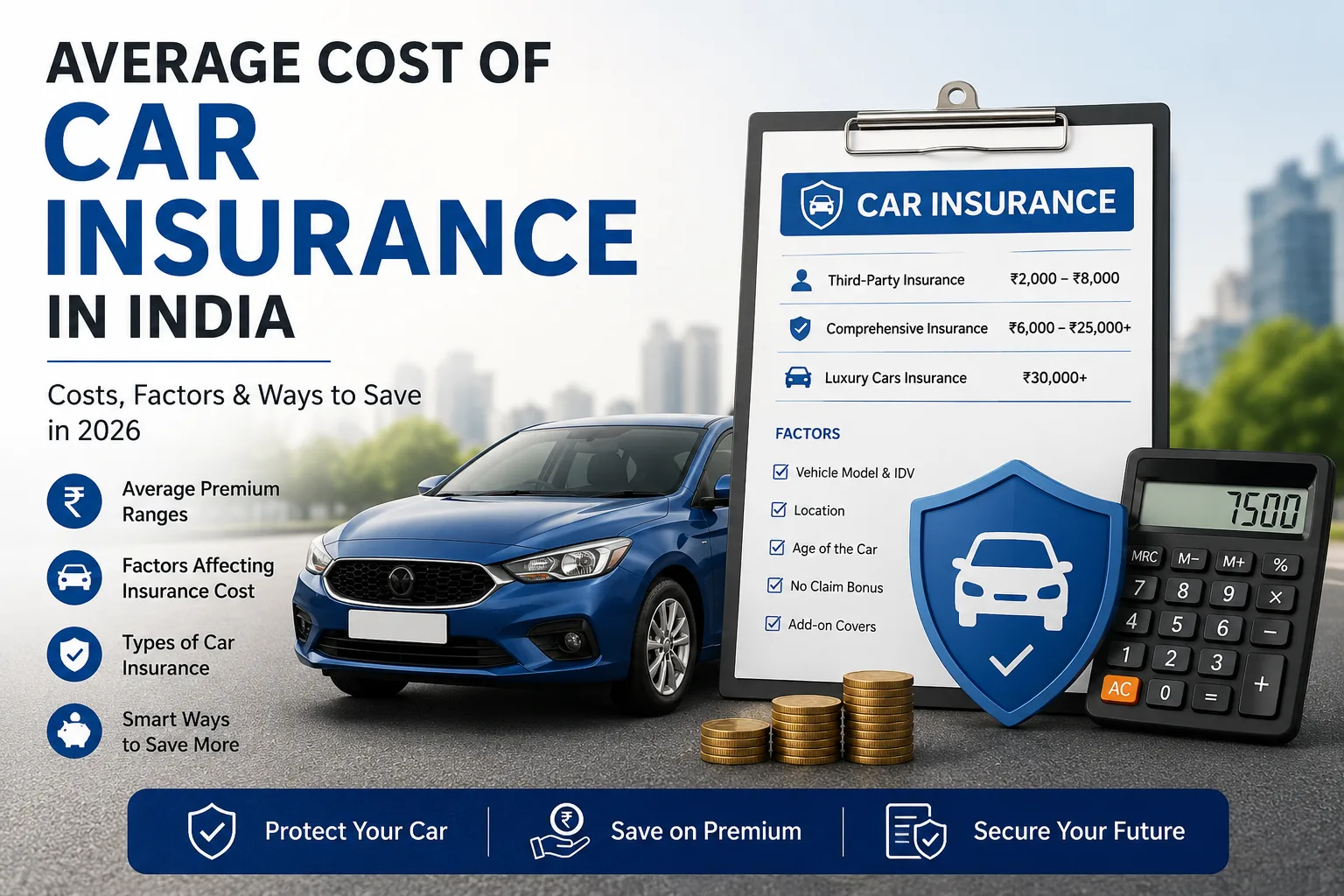
The average cost of car insurance in India generally ranges from ₹2,000 to ₹25,000 annually, depending on the type of policy and the vehicle being insured.
Here's an estimated breakdown:
- Third-party insurance: ₹2,000 to ₹8,000 per year.
- Comprehensive car insurance: ₹6,000 to ₹25,000 or more.
- Premium luxury vehicles: ₹30,000 and above.
- Electric vehicles: Premiums vary based on IDV and coverage.
For example, insuring a Maruti Suzuki Swift with a comprehensive policy may cost around ₹7,000 to ₹12,000 annually, while a Hyundai Creta or Mahindra XUV700 may require premiums between ₹12,000 and ₹20,000.
Why Car Insurance Costs Vary in India
Insurance premiums are calculated based on risk assessment. No two vehicles have identical premiums because multiple factors influence the cost.
Type of Insurance Policy
Third-party insurance, mandated by the Motor Vehicles Act, is the most affordable option because it covers only third-party liabilities.
Comprehensive insurance provides wider protection against accidents, theft, fire, floods, and own damages, resulting in higher premiums.
Vehicle Make and Model
Luxury cars and vehicles with expensive spare parts generally attract higher insurance costs.
For example:
- Maruti Suzuki WagonR – Lower premium.
- Tata Nexon – Moderate premium.
- BMW X1 – Higher premium.
Insured Declared Value (IDV)
IDV represents the current market value of the vehicle. Higher IDV means higher compensation during total loss situations, but it also increases the premium amount.
Location of Registration
Cities with heavy traffic and higher accident rates often have higher premiums.
For instance, cars registered in Delhi, Mumbai, Bengaluru, and Chennai usually have slightly higher insurance costs compared to smaller towns.
Age of the Vehicle
New cars generally attract higher premiums because of their higher market value. As vehicles depreciate, insurance premiums may gradually reduce.
Add-On Covers
Optional benefits such as:
- Zero depreciation cover.
- Engine protection.
- Roadside assistance.
- Return-to-invoice cover.
- Consumables cover.
increase the premium but provide enhanced protection.
Average Car Insurance Cost by Vehicle Segment
To understand pricing better, consider these approximate annual premium ranges for comprehensive insurance:
Hatchbacks
Popular models like Maruti Suzuki Baleno, Hyundai i20, and Tata Tiago generally cost between ₹6,000 and ₹10,000.
Sedans
Vehicles such as Honda City and Hyundai Verna usually require premiums ranging from ₹8,000 to ₹15,000.
SUVs
SUVs including Hyundai Creta, Kia Seltos, and Mahindra Scorpio often attract premiums between ₹10,000 and ₹20,000.
Luxury Cars
Brands like Mercedes-Benz, BMW, and Audi can have premiums exceeding ₹30,000 annually.
These figures vary based on coverage and insurer-specific calculations.
Real Example of Car Insurance Cost
Suppose Rahul purchases a Hyundai Creta worth ₹15 lakh in Delhi.
His policy includes:
- Comprehensive coverage.
- Zero depreciation add-on.
- Engine protection.
- Roadside assistance.
The annual premium may fall between ₹15,000 and ₹18,000.
However, if Rahul opts only for third-party insurance, the premium could be significantly lower.
This demonstrates how coverage choices affect overall costs.
How No Claim Bonus Helps Reduce Premium
No Claim Bonus (NCB) rewards policyholders who do not file claims during the policy period.
The discount structure generally works like this:
- First claim-free year: 20% discount.
- Second year: 25%.
- Third year: 35%.
- Fourth year: 45%.
- Fifth year and beyond: 50%.
Maintaining a clean driving record can substantially lower long-term insurance expenses.
How to Reduce Car Insurance Costs
Paying less doesn't mean compromising protection. Smart choices can help you save money.
Compare Policies Online
Different insurers offer varying premiums and benefits. Comparing plans helps identify the best value.
Choose Add-Ons Wisely
Select only those add-ons that match your requirements.
Maintain a No Claim Bonus
Avoid filing minor claims if repair costs are manageable.
Install Anti-Theft Devices
Vehicles equipped with approved anti-theft systems may qualify for discounts.
Renew Policies on Time
Timely renewal prevents policy lapses and protects accumulated benefits.
Increase Voluntary Deductibles
Opting for higher deductibles can lower premium costs, though it increases out-of-pocket expenses during claims.
Why Cheapest Insurance Isn't Always the Best
Many buyers focus solely on premium amounts. However, factors like claim settlement ratio, network garages, customer support, and service quality are equally important.
A slightly higher premium from a reliable insurer often provides better claim experiences and faster settlements.
At Square Insurance, customers can compare plans from leading insurers, evaluate coverage options, and select policies that strike the right balance between affordability and protection.
Trends Shaping Car Insurance Costs in 2026
The Indian motor insurance industry is evolving rapidly. Usage-based insurance, AI-driven underwriting, telematics, and electric vehicle coverage are influencing premium calculations.
Insurers are increasingly offering personalized plans based on driving behavior and vehicle usage patterns. This shift is expected to make car insurance pricing more flexible and customer-centric in the coming years.
Frequently Asked Questions
What is the average cost of car insurance in India?
The average annual premium ranges from ₹2,000 to ₹25,000, depending on the vehicle and coverage selected.
Is comprehensive insurance expensive?
Comprehensive policies cost more than third-party insurance but provide broader protection.
Which factors affect car insurance premiums?
Vehicle type, location, IDV, age, add-ons, and claim history all influence premium costs.
Can I reduce my car insurance premium?
Yes. Comparing plans, maintaining No Claim Bonus, and choosing suitable add-ons can help lower costs.
Does a luxury car have higher insurance costs?
Yes. Premiums for luxury vehicles are generally higher because of expensive repairs and spare parts.