As global enterprises expand across regions, markets, and cultures, the complexity of managing and training large, diverse workforces continues to grow. Organizations operating at a global scale face unique challenges related to consistency, safety, skill development, and cost efficiency. Traditional training methods, which rely heavily on in-person sessions and localized delivery, often struggle to meet these demands. This is why many multinational organizations are increasingly investing in a VR Training Company to modernize their learning strategies and build a future-ready workforce.

1.Managing Training at a Global Scale
One of the biggest challenges for global enterprises is delivering consistent training across multiple countries and locations. Differences in language, culture, infrastructure, and local practices can lead to inconsistent learning experiences and skill gaps.
VR training offers a centralized yet flexible approach. Global enterprises can develop standardized training modules that reflect company-wide processes, safety standards, and values. These modules can then be deployed across regions while maintaining consistency in content and learning outcomes. This approach ensures that all employees, regardless of location, receive the same high-quality training.
2.Reducing Training Costs Across Regions
Global training programs often involve significant costs related to travel, accommodation, facilities, and instructor time. Flying trainers or employees across borders for centralized sessions can be expensive and logistically complex.
By partnering with a VR training company, enterprises reduce or eliminate many of these costs. VR training can be delivered locally using headsets or VR-enabled devices, minimizing the need for travel. Over time, the cost savings from reduced logistics and infrastructure requirements make VR training a financially attractive investment.
3.Ensuring Safety in High-Risk Global Operations
Many global enterprises operate in high-risk industries such as manufacturing, energy, construction, mining, and logistics. Training employees safely across diverse environments is a major concern.
VR training provides a risk-free environment for practicing hazardous tasks and emergency scenarios. Employees can experience realistic simulations of equipment operation, safety procedures, and crisis responses without real-world danger. This improves safety preparedness and helps enterprises reduce accidents and compliance risks across global operations.
4.Accelerating Onboarding and Workforce Readiness
Global enterprises often hire at scale, whether due to expansion, seasonal demand, or high turnover in certain regions. Traditional onboarding methods can be slow and inconsistent, delaying productivity.
VR training accelerates onboarding by allowing new hires to practice job tasks immediately in immersive environments. Standardized VR onboarding programs ensure that employees across regions become productive faster while receiving consistent training aligned with organizational standards.
5.Supporting Multilingual and Multicultural Workforces
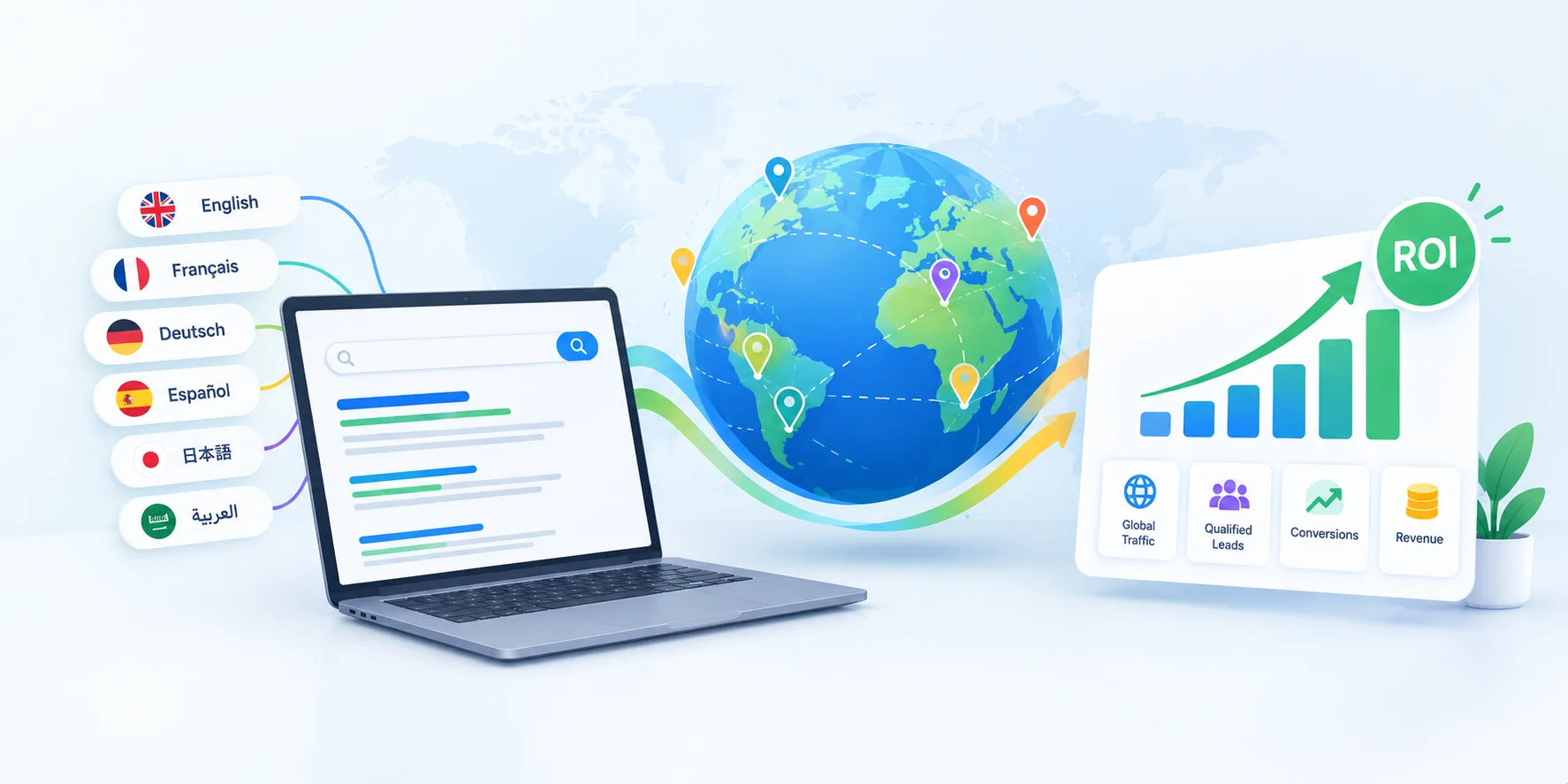
Language barriers and cultural differences can affect training effectiveness in global organizations. Translating training materials and coordinating multilingual instructors can be challenging.
VR training can be designed with multilingual options, visual instructions, and intuitive interactions that reduce reliance on text-heavy content. A VR training company helps enterprises create inclusive learning experiences that work across languages and cultures while maintaining consistent training objectives.
6.Driving Higher Engagement and Retention
Engaging employees across global teams is another challenge for multinational organizations. Traditional training methods may not resonate equally across cultures or learning styles.
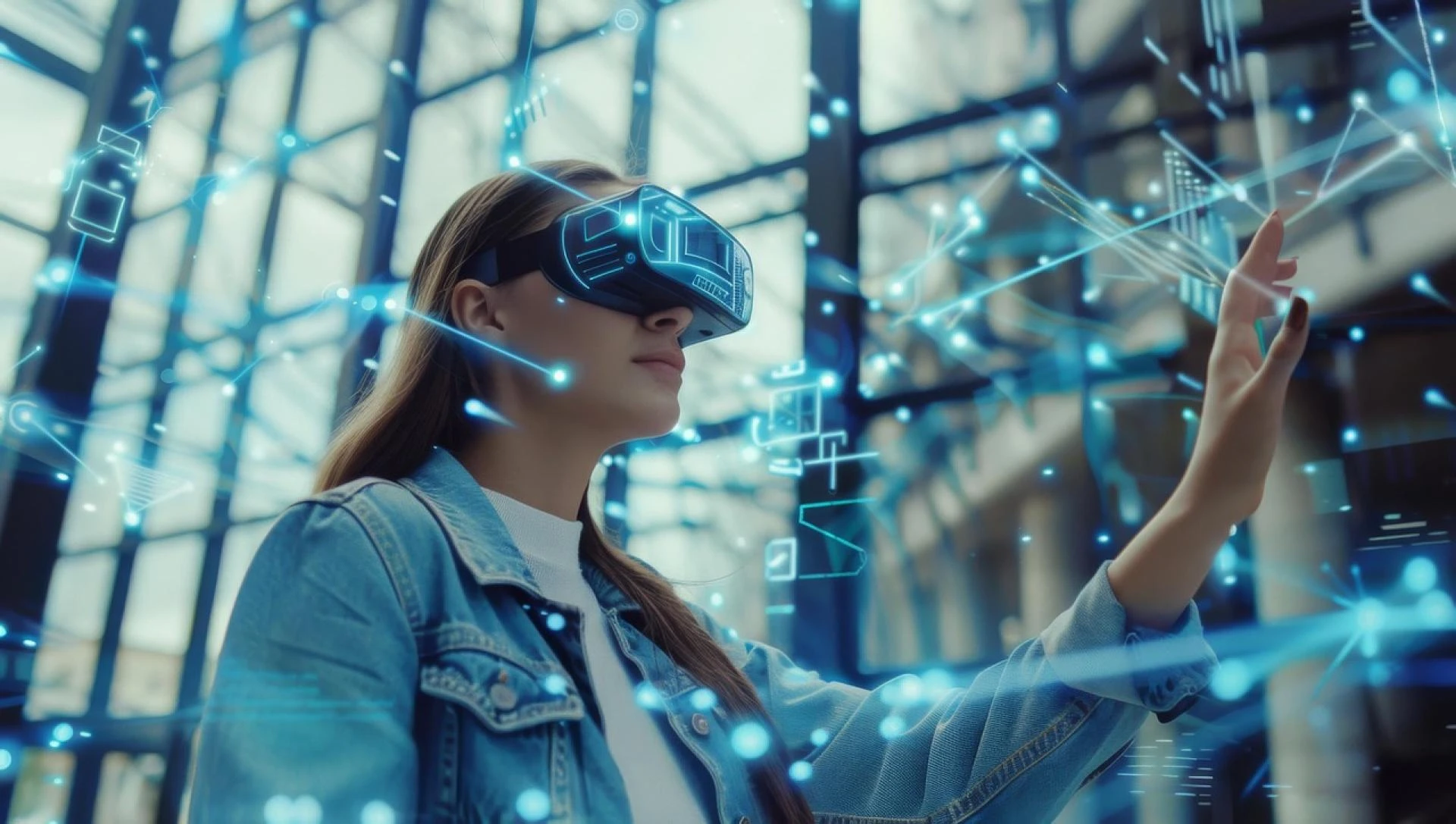
VR training offers an interactive and immersive experience that captures attention and encourages active participation. Employees are more engaged when learning feels relevant and hands-on. This higher engagement leads to better knowledge retention and more consistent performance across global teams.
7.Standardizing Compliance and Quality Standards
Global enterprises must comply with various regulations while maintaining internal quality standards. Inconsistent training delivery can lead to compliance gaps and operational risks.
VR training ensures that compliance procedures and quality standards are taught uniformly. Employees practice the same scenarios and procedures regardless of location, reducing the risk of non-compliance. Training updates can be rolled out globally and simultaneously, keeping all teams aligned with the latest requirements.
8.Leveraging Data for Global Workforce Insights
Managing training performance across regions requires visibility into how employees are learning and applying skills. Traditional training methods often provide limited data and inconsistent reporting.
VR training platforms generate standardized performance metrics that can be analyzed across locations. Enterprises gain insights into skill gaps, training effectiveness, and readiness at a global level. This data-driven approach supports better workforce planning and continuous improvement.
9.Enabling Continuous Upskilling at Scale
Global enterprises operate in fast-changing markets where continuous upskilling is essential. Traditional training methods may not scale efficiently for ongoing skill development.
VR training supports continuous learning by allowing employees to access updated modules as needed. A VR training company helps enterprises deploy new training content quickly across regions, ensuring that skills evolve alongside business needs.
10.Strengthening Organizational Identity
Consistent training experiences help reinforce organizational culture and values. When employees across the globe share similar learning experiences, they develop a stronger connection to the organization.
VR training creates a shared learning environment that aligns employees with the company’s mission, safety priorities, and performance standards, strengthening organizational identity across borders.
Conclusion
Global enterprises face unique challenges in training large, diverse, and geographically dispersed workforces. Traditional training methods often struggle to deliver consistency, scalability, and cost efficiency at this level. By investing in a vr training company, global organizations gain access to immersive, standardized, and data-driven training solutions that support safety, productivity, and continuous learning worldwide. VR training is not just a technological upgrade—it is a strategic investment in building a capable and connected global workforce.
To explore more about our work and real-time updates, check out AutoVRse on Twitter, Instagram, and LinkedIn.